Have you ever wondered if houseplants can truly improve the air quality in your home?
The answer may surprise you. By incorporating specific plants into your living space, you can actively purify the air and promote a healthier environment for you and your loved ones.
But which plants are best suited for this task, and how can you ensure they thrive in your home?
Stay tuned to discover the secrets of maintaining healthy air with houseplants—it's simpler than you think.
Benefits of Houseplants for Air Quality
Houseplants actively filter out toxins and pollutants from the air, contributing to cleaner indoor air quality. By absorbing carbon dioxide during photosynthesis, plants release oxygen into the air, improving the overall air freshness in your home. Not only do houseplants enhance oxygen levels, but they also help regulate humidity, reducing the risk of respiratory issues and dry skin. The presence of plants indoors has been linked to lower levels of stress and anxiety, promoting a sense of well-being and relaxation.
In addition to their air-purifying qualities, houseplants can also act as natural air fresheners, filling your space with pleasant scents. Some plants, like lavender and jasmine, have aromatherapeutic properties that can enhance your mood and promote better sleep. Moreover, the vibrant greenery of houseplants adds a touch of nature to your indoor environment, creating a calming and visually appealing atmosphere. Embracing the benefits of houseplants not only improves your air quality but also enhances your overall quality of life.
Selecting the Right Houseplants
To ensure optimal air-purifying benefits and aesthetic appeal, consider factors like lighting conditions and maintenance requirements when selecting houseplants for your indoor space. Begin by assessing the natural light available in different areas of your home. For low-light areas, choose plants like pothos, snake plants, or peace lilies that thrive in such conditions. If you have bright, sunny spots, opt for sun-loving plants such as succulents, aloe vera, or spider plants.
Consider your schedule and how much time you can dedicate to plant care. If you're often busy or travel frequently, low-maintenance plants like ZZ plants, rubber trees, or cacti might be ideal choices. On the other hand, if you enjoy tending to plants and have time for regular watering and pruning, ferns, orchids, or flowering plants could be great options.
Ultimately, the key is to select houseplants that not only suit your space and lighting conditions but also align with your lifestyle to ensure a harmonious and beneficial indoor environment.
Caring for Your Houseplants
For optimal health and growth of your indoor plants, consistent care and attention are essential. Start by placing your plants in areas with adequate sunlight. Water them regularly, ensuring the soil is moist but not waterlogged. Overwatering can lead to root rot, so allow excess water to drain away.

Dust the leaves occasionally to help the plant breathe and absorb light efficiently. Trim off any yellowing or dead leaves to encourage new growth. Fertilize your plants every few weeks during the growing season to provide essential nutrients. Monitor for pests like spider mites or aphids, and address any infestations promptly.
Rotate your plants occasionally to ensure even growth on all sides. Lastly, repot your plants when they outgrow their containers to prevent them from becoming root-bound. By following these care tips, you can help your houseplants thrive and contribute to maintaining healthy air in your home.
Placement Tips for Improved Air Quality
Position your indoor plants strategically to maximize their air-purifying benefits and enhance the quality of the air in your home. Start by placing plants in rooms where you spend the most time, such as the living room, bedroom, or home office. These high-traffic areas will allow the plants to filter the air effectively.
Consider placing plants near sources of indoor air pollution, like in the kitchen near the stove, to help combat these pollutants. In larger rooms, position multiple plants throughout the space to ensure optimal air circulation and purification.
Additionally, think about the specific needs of each plant when deciding where to place them. Plants that require more sunlight should be placed near windows or areas with ample natural light. Conversely, plants that thrive in low light can be placed in corners or areas with less sunlight.
Remember to rotate your plants occasionally to ensure they receive uniform light exposure and grow evenly. By strategically placing your indoor plants, you can create a healthier and more refreshing indoor environment.
Creating a Healthy Indoor Oasis
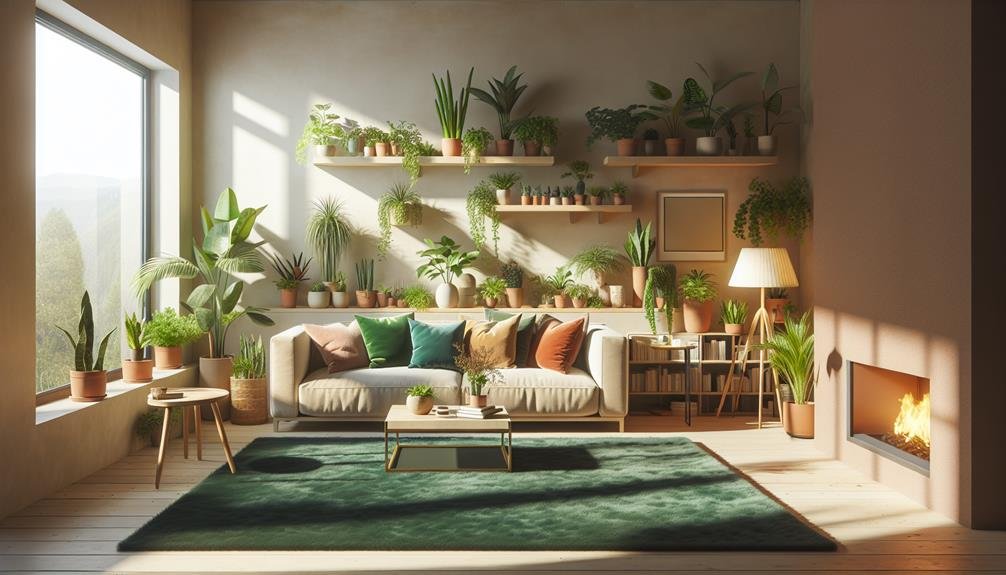
Transform your indoor space into a rejuvenating oasis by incorporating a variety of lush houseplants that not only beautify but also purify the air you breathe.
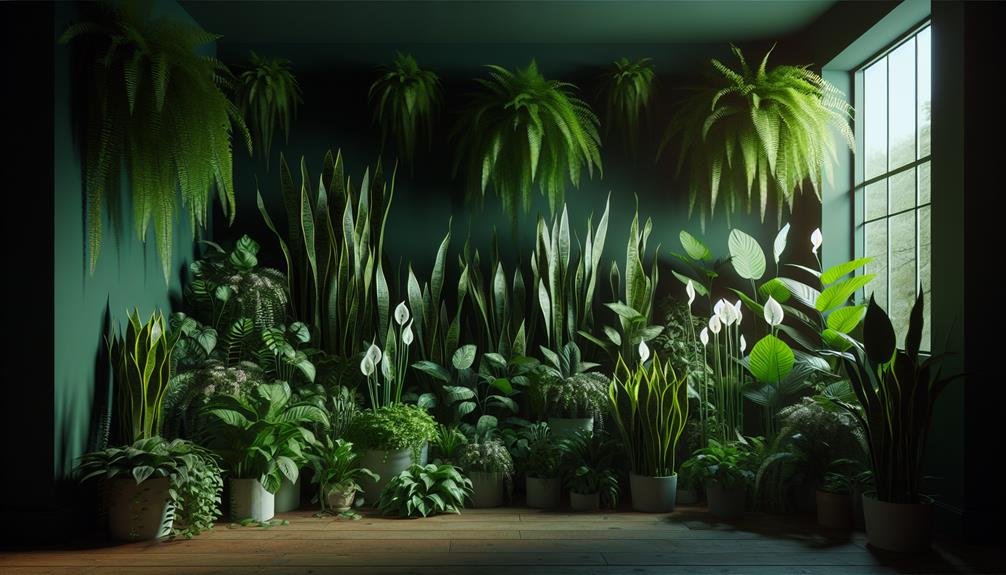
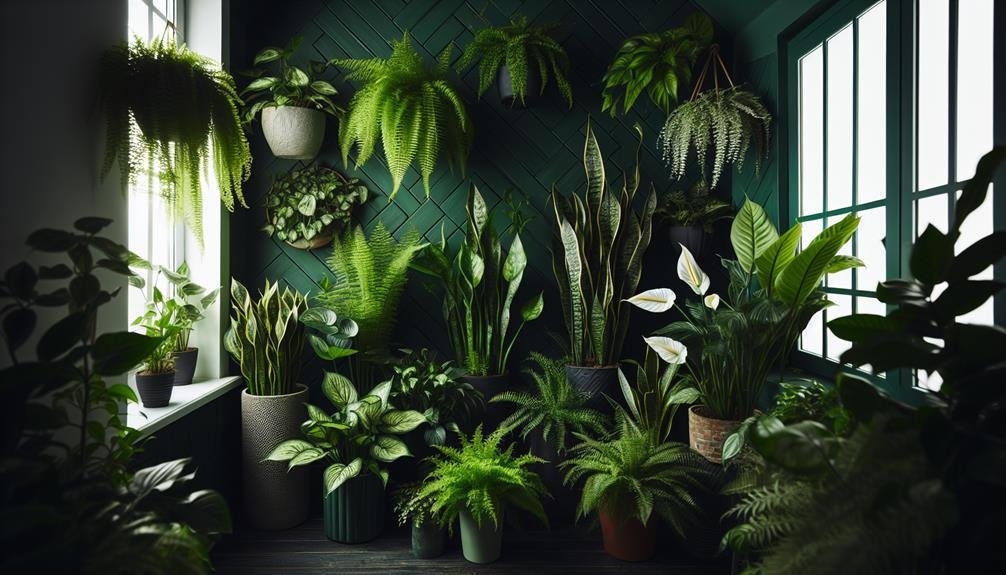
Start by selecting plants known for their air-purifying qualities, such as spider plants, peace lilies, or snake plants. These green companions won't only add a touch of nature to your surroundings but also work tirelessly to remove harmful toxins from the air, promoting a healthier environment for you to thrive in.
To create a truly healthy indoor oasis, consider grouping plants together to increase humidity levels, which can be especially beneficial during drier months or in air-conditioned spaces. Additionally, incorporating different plant sizes, shapes, and colors can add visual interest and create a more dynamic and vibrant atmosphere.
Don't forget to place your plants near natural light sources and water them regularly to ensure they flourish and continue to cleanse the air effectively. With a little care and attention, your indoor oasis won't only look stunning but also contribute to a healthier living space for you to enjoy.
Frequently Asked Questions
Can Houseplants Help Reduce Allergens in the Air?
Yes, houseplants can indeed help reduce allergens in the air. Certain plants have been shown to filter out common airborne allergens like dust, pollen, and mold spores, improving the overall air quality in your home.
Do Different Types of Houseplants Have Varying Levels of Air-Purifying Abilities?
Yes, different types of houseplants do have varying levels of air-purifying abilities. Some plants are more effective at removing specific toxins from the air, while others excel at producing oxygen.
Research which plants best suit your needs based on the toxins present in your environment. By strategically placing a variety of plants throughout your home, you can create a more effective air-purifying system.
How Often Should I Repot My Houseplants for Optimal Air Purification?
To keep your houseplants effectively purifying the air, it's essential to repot them regularly.
Optimal air purification can be maintained by repotting your plants every 1-2 years, or when you notice the roots getting crowded and the soil becoming compacted.
Repotting allows the roots to spread out and absorb nutrients efficiently, ensuring your houseplants remain healthy and continue to purify the air in your home effectively.
Are There Specific Houseplants That Are Better at Removing Specific Toxins From the Air?
Yes, certain houseplants excel at removing specific toxins from the air. For example, spider plants are great at combating formaldehyde, while peace lilies are effective at reducing ammonia levels.
Aloe vera is known for its ability to clear benzene, and snake plants are excellent at filtering out formaldehyde. Consider incorporating these plants into your indoor space to target specific toxins and improve air quality.
Can Houseplants Help Improve Mental Health and Productivity in Addition to Air Quality?
Houseplants can indeed boost mental health and productivity. The presence of greenery can reduce stress, increase focus, and enhance overall well-being.
Studies show that being around plants can improve mood and cognitive function. With their calming effect and ability to purify the air, houseplants create a conducive environment for mental clarity and productivity.
Conclusion
Now that you know the benefits of houseplants for air quality, how to select the right ones, care for them properly, and where to place them for maximum impact, you can create a healthy indoor oasis.
By incorporating houseplants into your living space, you can breathe easier and enjoy a cleaner, fresher environment.
So go ahead and start adding some green to your home for a breath of fresh air!