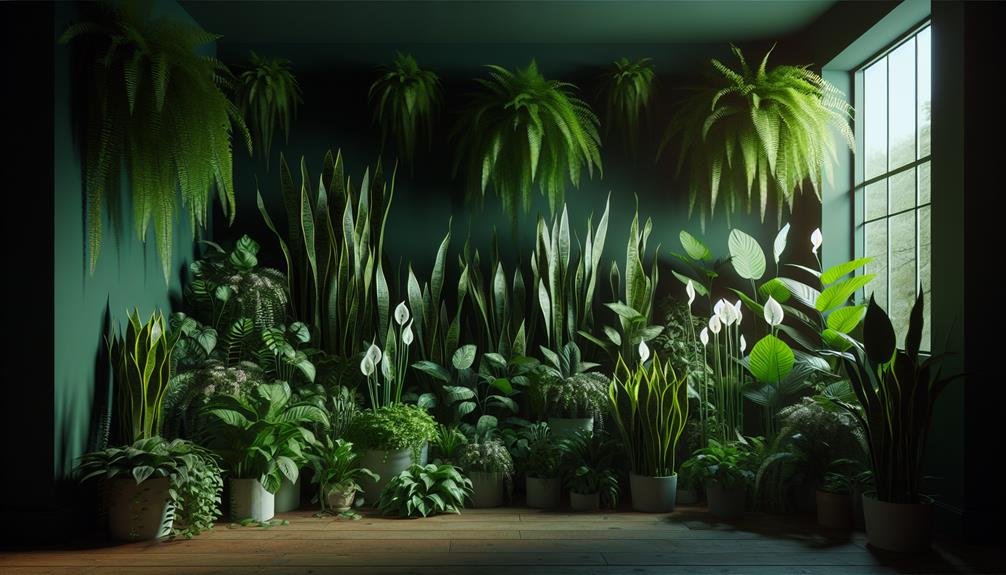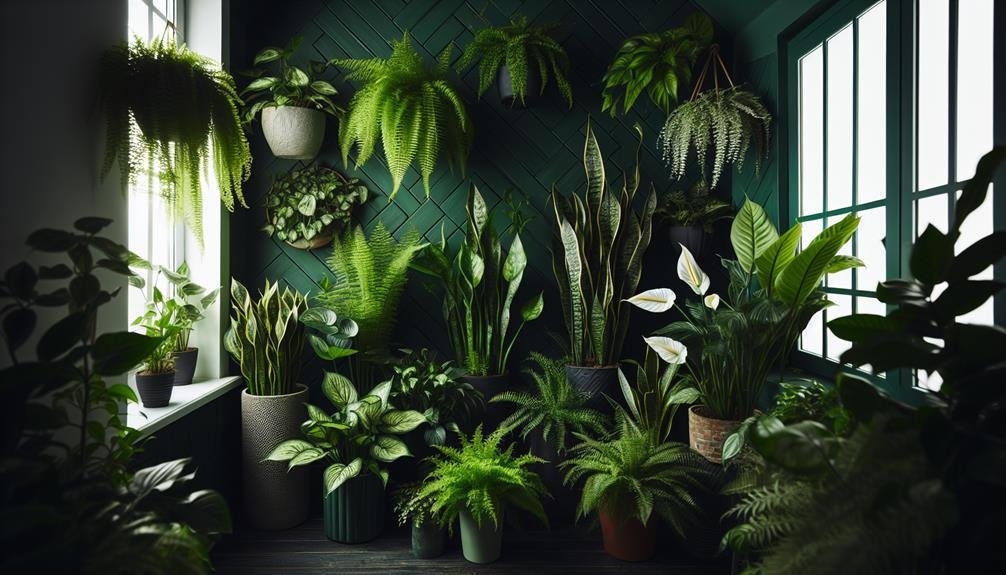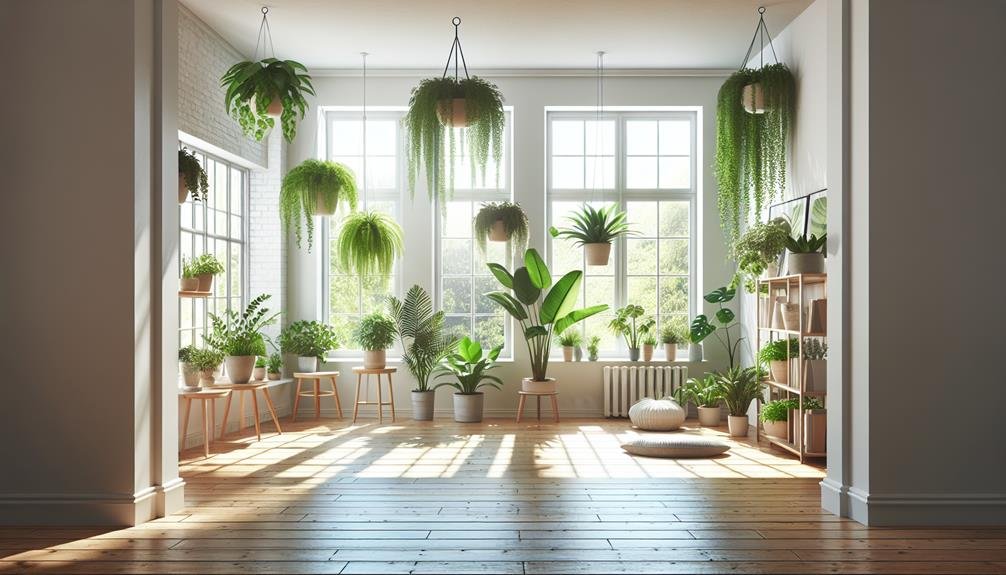
Unlock the potential of your indoor space by harnessing the power of houseplants as your green allies in the battle for cleaner air.
With the latest insights and strategies at your fingertips, discover how simple adjustments and choices within your living environment can lead to a fresher, healthier atmosphere.
From selecting the most effective air-purifying plants to optimizing their placement for maximum impact, this guide will equip you with the tools needed to transform your home into a sanctuary of improved air quality.
Benefits of Indoor Plants
Indoor plants not only enhance the aesthetics of your living space but also play a crucial role in improving air quality. By introducing houseplants into your home, you aren't just adding a touch of greenery but also creating a healthier environment for yourself and your loved ones. These plants have the remarkable ability to absorb carbon dioxide and release oxygen through photosynthesis, thus increasing the oxygen levels in your home.
Moreover, indoor plants can help regulate humidity levels, reducing the risk of respiratory issues and dry skin. They act as natural humidifiers, especially during the colder months when indoor heating can cause the air to become dry. Additionally, having plants indoors has been linked to reducing stress levels and boosting overall mood and productivity.
The presence of greenery has a calming effect and can create a sense of well-being in your living space. So, besides being visually appealing, indoor plants offer a multitude of benefits that contribute to a healthier and happier lifestyle.
Best Air-Purifying Houseplants
Enhancing your indoor environment with specific plant choices can significantly improve air quality, particularly by selecting the best air-purifying houseplants. When it comes to air-purifying abilities, some top choices include the peace lily, spider plant, snake plant, pothos, and rubber plant.
Peace lilies aren't only aesthetically pleasing but also excel at removing common indoor pollutants such as ammonia, benzene, and formaldehyde. Spider plants are known for their easy care and effectiveness in removing carbon monoxide and other toxins. Snake plants are ideal for bedrooms as they release oxygen at night while filtering out formaldehyde and benzene. Pothos are great for hanging baskets and are efficient at eliminating formaldehyde. Rubber plants are low-maintenance and excellent at removing toxins like formaldehyde from the air.
Consider incorporating these plants into your indoor space to enjoy cleaner, fresher air. Remember to research each plant's care requirements to ensure they thrive and continue to purify your indoor environment effectively.
Placement Strategies for Air Quality
To optimize air quality, strategically place your air-purifying houseplants in key locations throughout your living space.

Start by positioning plants like peace lilies or snake plants in your bedroom to benefit from their air-purifying qualities while you sleep. These plants release oxygen at night, promoting better air quality in the room.
In the living room, consider placing a Boston fern or spider plant near commonly used electronics to counteract their emissions. These plants thrive in indirect light and can help filter out pollutants.
Additionally, incorporating aloe vera or bamboo palm in the bathroom can combat mold and mildew, common issues in humid areas. Remember to vary plant sizes and types for a balanced effect.
Utilize hanging planters or wall-mounted pots to save space and add greenery to different areas. By strategically situating your air-purifying plants, you can maximize their benefits and improve the air quality in your home.
Maintenance Tips for Healthy Plants
For your houseplants to continue effectively purifying the air in your home, it's important to follow proper maintenance tips for keeping them healthy.
Firstly, ensure your plants receive adequate sunlight. Different plants have varying light requirements, so place them in spots that suit their needs.
Remember to water your plants appropriately; overwatering can lead to root rot, while underwatering can cause wilting. It's crucial to check the soil moisture levels regularly before watering.
Additionally, dust off your plant leaves gently using a damp cloth to allow them to breathe and photosynthesize efficiently. Trim any yellowing leaves or dead parts to promote new growth and maintain plant health.
Keep an eye out for pests like spider mites or aphids and address infestations promptly with natural or chemical remedies.
Lastly, consider fertilizing your plants occasionally to provide them with essential nutrients for growth. By following these maintenance tips, you can ensure your houseplants thrive and continue to enhance the air quality in your home.
Stylish Ways to Display Greenery
Consider incorporating houseplants into your home decor for a stylish and refreshing touch. When it comes to displaying greenery, think beyond traditional pots and explore creative options that enhance your space.
Hanging planters are a trendy choice, adding a touch of elegance as they dangle gracefully from the ceiling. Wall-mounted plant holders can serve as both decor and space-savers, bringing a modern vibe to any room.
To create visual interest, group plants of varying heights and textures together on a stylish plant stand. Terrariums are another chic way to showcase small plants while adding a contemporary feel to your home.
Don't overlook the impact of macrame plant hangers, which can introduce a bohemian flair to your decor. Consider placing plants in unexpected spots like bookshelves, bathroom corners, or even in a decorative basket.
Frequently Asked Questions
Can Certain Houseplants Improve Mental Health in Addition to Air Quality?
Certain houseplants can indeed improve mental health in addition to air quality. Their ability to purify the air by removing toxins can create a healthier environment, which can have positive effects on your mental well-being.
Breathing cleaner air can lead to reduced stress and improved mood. Additionally, caring for plants can provide a sense of purpose and accomplishment, contributing to your overall mental health and happiness.
Are There Any Houseplants That Are Particularly Effective at Reducing Allergens in the Air?
When looking to reduce allergens in the air with houseplants, consider species like spider plants, peace lilies, or snake plants. These plants are known for their air-purifying qualities and can help filter out common allergens such as dust and mold spores.
Placing these plants strategically throughout your living space can contribute to a cleaner and healthier indoor environment, potentially reducing allergy symptoms.
How Can I Prevent Pests From Infesting My Houseplants?
To prevent pests from infesting your houseplants, regularly inspect the leaves and soil for any signs of bugs. Wiping the leaves with a damp cloth can help remove any pests.
Avoid overwatering, as this can attract bugs. If you spot pests, isolate the affected plant and treat it with a natural pest control solution.
Keeping a clean environment around your plants can also deter pests from taking over.
Are There Any Specific Watering Techniques That Can Help Maximize Air Quality Benefits?
To maximize air quality benefits with your houseplants, consider using specific watering techniques. Overwatering can lead to mold growth and poor air quality. Ensure your plants have good drainage to prevent waterlogging.
Water them only when the soil feels dry to the touch, as this helps maintain a healthy balance and avoids excess moisture that can lead to issues. Proper watering can enhance the air-purifying qualities of your plants.
Can Houseplants Help Reduce Indoor Humidity Levels?
Houseplants can indeed help reduce indoor humidity levels. The plants absorb moisture through their leaves and release it back into the air, which can help balance humidity levels in your home.
Conclusion
So there you have it – houseplants aren't only a beautiful addition to your home decor, but they also play a crucial role in improving air quality.
By choosing the right plants, placing them strategically, and maintaining them properly, you can maximize their air-purifying benefits.
Don't forget to get creative with how you display your greenery to add a stylish touch to your space.
Keep those plants thriving and enjoy the fresh air they provide!