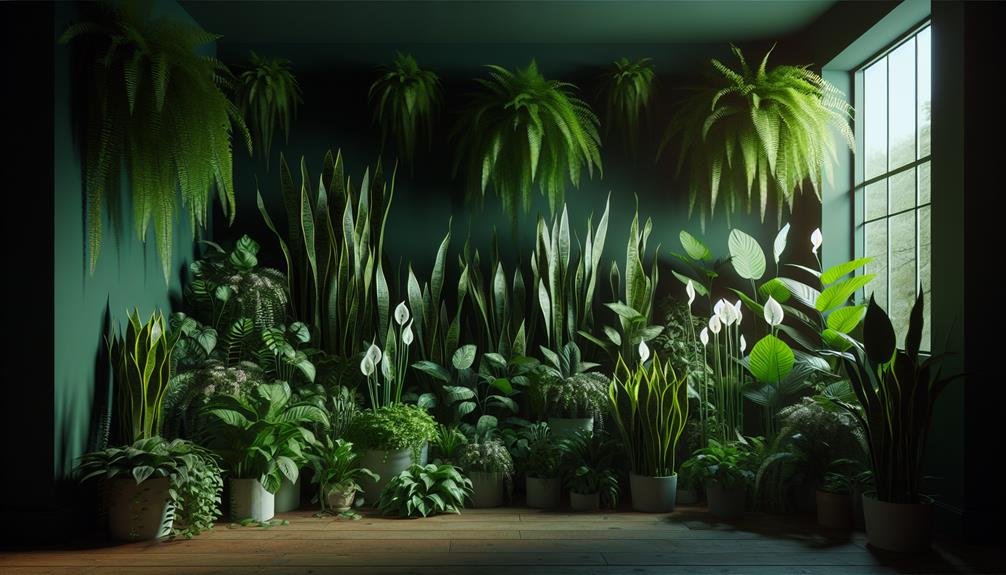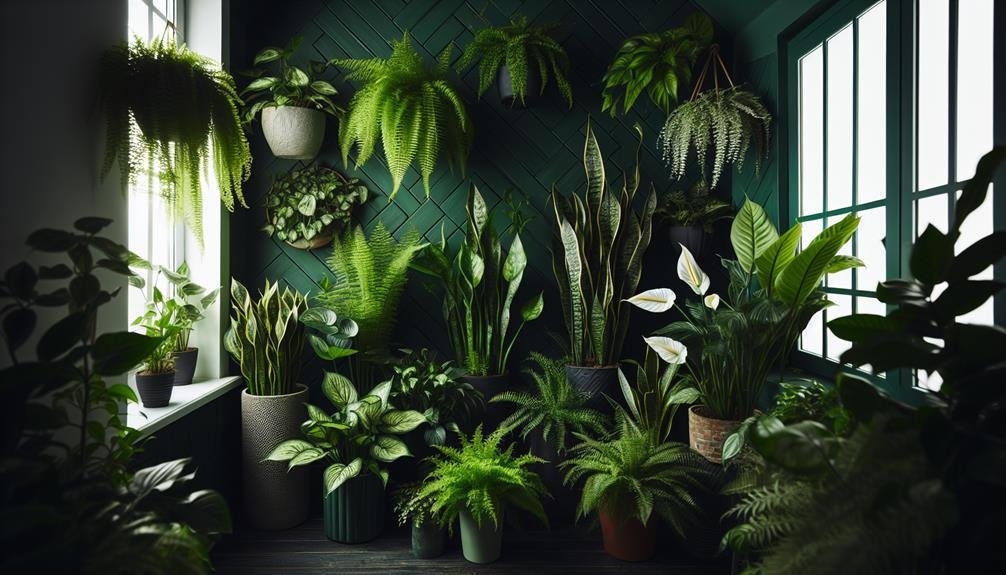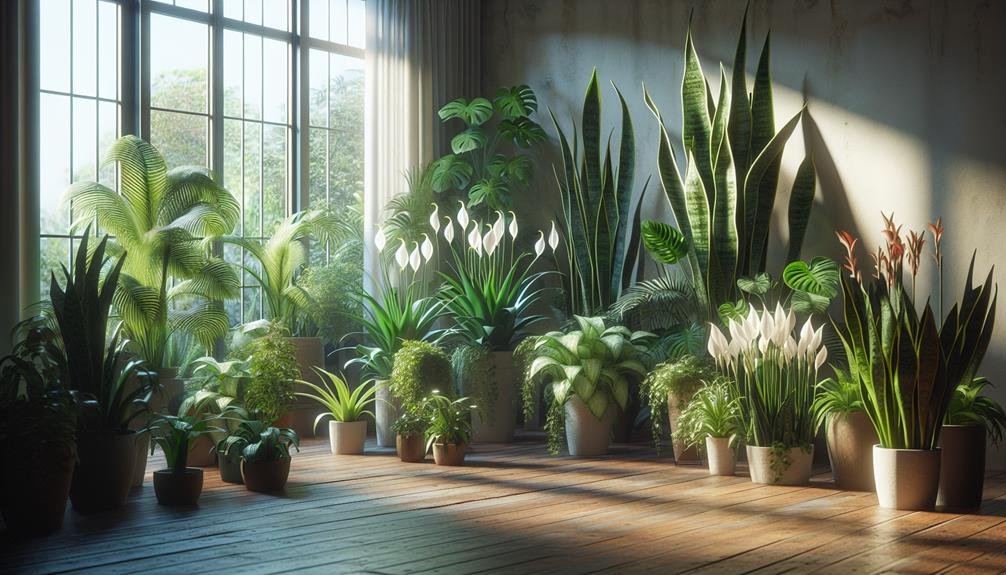
Step into a world where your plant collection becomes more than just decor – it transforms into a sanctuary for peace and tranquility.
Imagine coming home to a space filled with greenery that not only brightens up the room but also eases your mind after a long day.
These 10 houseplants have more to offer than meets the eye; they may just hold the key to a calmer, more relaxed you.
Lavender
Lavender plants are known for their calming aroma and are a popular choice for stress relief in many households. Placing a pot of lavender in your living space can create a soothing atmosphere, helping you unwind after a long day. The gentle scent of lavender has been shown to reduce anxiety levels and promote relaxation, making it an excellent natural remedy for stress.
To fully benefit from the stress-relieving properties of lavender, try incorporating it into your daily routine. You can place a small pot of lavender on your bedside table to promote restful sleep or keep a lavender plant on your desk to create a peaceful work environment. Additionally, you can dry the lavender flowers and use them to make sachets or potpourri, extending the calming effects throughout your home.
Incorporating lavender plants into your living space can be a simple yet effective way to combat stress and anxiety naturally. By harnessing the power of this fragrant herb, you can create a tranquil oasis where you can relax and rejuvenate.
Aloe Vera
Known for its soothing and healing properties, Aloe Vera is a versatile houseplant that can provide various benefits for stress relief. This easy-to-care-for plant isn't only aesthetically pleasing but also packs a punch when it comes to reducing stress and anxiety. Aloe Vera produces oxygen at night, improving the air quality in your home and promoting better sleep, which is essential for managing stress levels.
The gel inside Aloe Vera leaves has anti-inflammatory properties that can help soothe skin irritations and minor burns, providing a calming effect on both your skin and your mind. Simply applying the gel topically can offer relief from tension and promote relaxation. Additionally, the act of caring for a plant can be therapeutic in itself, giving you a sense of purpose and accomplishment.
Consider placing an Aloe Vera plant in your bedroom or workspace to enjoy its stress-relieving benefits throughout the day. Its low maintenance nature and multiple uses make it a fantastic addition to your indoor garden for a natural way to combat stress.
Jasmine
With its delicate white flowers and sweet fragrance, Jasmine is a popular houseplant that can help create a calming atmosphere in your living space. The scent of Jasmine has been shown to have a soothing effect on the mind, helping to reduce stress and anxiety levels. Placing a Jasmine plant in your home can provide a natural and pleasant way to unwind after a long day.

Caring for a Jasmine plant is relatively easy, as it thrives in bright, indirect sunlight and requires regular watering. Ensure the soil is well-drained to prevent root rot, and consider misting the plant to maintain humidity levels. Jasmine plants can also benefit from occasional pruning to encourage new growth and maintain their shape.
In addition to its stress-relieving properties, Jasmine is also known for its air-purifying abilities, helping to improve indoor air quality. This makes it a great choice for those looking to enhance their living environment while also promoting a sense of calm and relaxation.
Snake Plant
To continue enhancing your home environment with stress-relieving houseplants, consider introducing a Snake Plant, known for its air-purifying qualities and low maintenance requirements. The Snake Plant, also referred to as Sansevieria or Mother-in-Law's Tongue, is an excellent addition to any space seeking a touch of greenery without demanding constant attention. This plant is praised for its ability to filter indoor air by removing toxins like formaldehyde and benzene, which can contribute to stress and anxiety. With its sleek, upright leaves that come in various shades of green and yellow, the Snake Plant adds a modern and calming aesthetic to your surroundings.
One of the Snake Plant's most appealing features is its resilience to neglect, making it perfect for those with busy schedules or beginners in plant care. This plant thrives in indirect light and only requires occasional watering, making it a low-maintenance option for anyone looking to introduce a natural stress-reliever into their home.
Peace Lily
Consider introducing the Peace Lily, a popular houseplant renowned for its elegant white blooms and air-purifying properties, into your living space for a serene and refreshing atmosphere. The Peace Lily, also known as Spathiphyllum, isn't only aesthetically pleasing but also serves as a natural stress reliever. Its lush green leaves and delicate flowers can bring a sense of tranquility to any room.
One of the key benefits of this plant is its ability to improve indoor air quality by reducing mold spores and airborne toxins, creating a healthier environment for you to relax in.
Caring for a Peace Lily is relatively easy, making it a perfect choice for those with busy schedules. It thrives in low light conditions and only requires watering about once a week. The plant will even droop slightly when it needs water, serving as a visual reminder to help you establish a routine of self-care and mindfulness.
Rosemary
Introduce a touch of culinary and aromatic charm to your indoor oasis by welcoming Rosemary, a versatile herb known for its fragrant leaves and potential stress-relieving properties. Rosemary's pine-like scent not only adds a pleasant aroma to your space but may also help reduce anxiety and improve cognitive function. This herb is easy to care for and thrives in well-draining soil and plenty of sunlight.
Having Rosemary in your home can provide more than just a delightful flavor to your dishes; it could also benefit your mental well-being. Some studies suggest that the scent of Rosemary may help lower cortisol levels, the hormone associated with stress, making it a natural stress reliever. Simply brushing your hand against its leaves can release the soothing fragrance, creating a calming atmosphere.
Consider placing a pot of Rosemary in your kitchen or near your workspace to enjoy its stress-relieving benefits throughout the day. Whether you use it for cooking or simply to enjoy its scent, Rosemary can be a beautiful and practical addition to your indoor garden.
Spider Plant
Adding a touch of green to your indoor space, the Spider Plant is a versatile and low-maintenance houseplant known for its air-purifying qualities. With its long, arching leaves that resemble spider legs, this plant can thrive in various conditions, making it perfect for beginners or those with busy schedules. Spider Plants are excellent at removing toxins like formaldehyde and xylene from the air, promoting a healthier environment.
Caring for a Spider Plant is easy – all it needs is indirect sunlight and occasional watering. These plants are resilient and can adapt to different light levels, making them suitable for almost any room in your home. If you notice small plantlets forming on long stems, simply snip them off and propagate them in water or soil to expand your Spider Plant collection.
Having a Spider Plant in your living space can't only brighten up the room but also contribute to a calmer atmosphere, helping you relax and unwind after a long day. Consider adding this stress-relieving plant to your indoor garden for a breath of fresh air.
Chamomile
Chamomile, a soothing herb commonly used for its calming properties, can be a beneficial addition to your indoor oasis for stress relief. This herb, with its delicate flowers and gentle aroma, is well-known for its ability to promote relaxation and alleviate anxiety. By incorporating chamomile into your indoor plant collection, you can create a serene environment that supports your well-being.
Growing chamomile indoors is relatively easy, requiring moderate sunlight and well-drained soil. You can enjoy its benefits by simply placing a pot of chamomile in a sunny spot in your home. The scent of chamomile can have a calming effect on your mind, helping you unwind after a long day. Additionally, you can brew chamomile tea using the dried flowers for a soothing drink that further aids in stress relief.
Consider adding chamomile to your indoor garden to harness its natural stress-relieving properties and create a tranquil space where you can relax and rejuvenate.
English Ivy
English Ivy, with its cascading vines and lush green leaves, is a versatile houseplant known for its air-purifying qualities and aesthetic appeal. This plant isn't only visually pleasing but also beneficial for your indoor environment. English Ivy can help reduce airborne mold and improve air quality, making it a great addition to your home for promoting a healthier living space. Its easy care requirements and ability to thrive in various light conditions make it a low-maintenance option for those looking to add some greenery to their surroundings without much hassle.
In addition to its air-purifying properties, English Ivy is also known for its calming effect, making it a great choice for reducing stress and anxiety. The presence of this plant in your living space can create a soothing atmosphere that helps you unwind after a long day. Consider placing English Ivy in hanging baskets or on high shelves to let its vines cascade down, adding a touch of nature to your home while benefiting from its stress-relieving qualities.
Boston Fern
Known for its feathery fronds and vibrant green color, the Boston Fern is a popular houseplant choice for its air-purifying properties and elegant appearance. This lush plant can thrive both indoors and outdoors, making it a versatile option for adding a touch of nature to your living space.
The Boston Fern isn't only aesthetically pleasing but also serves as a natural air humidifier, releasing moisture into the air and helping to alleviate respiratory issues caused by dry indoor environments.
Caring for a Boston Fern is relatively easy, requiring moderate watering and indirect sunlight. This low-maintenance plant can adapt well to different light conditions, making it suitable for various areas in your home. The Boston Fern is also known for its ability to remove toxins such as formaldehyde and xylene from the air, promoting a healthier indoor environment for you and your family.
Consider adding a Boston Fern to your indoor garden to enjoy its calming effects and improve the air quality in your home effortlessly.
Frequently Asked Questions
Can Houseplants Alone Completely Eliminate Stress and Anxiety?
Houseplants are wonderful for boosting your mood and creating a calming environment, but they mightn't completely eliminate stress and anxiety on their own. While they can certainly help, it's important to remember that managing stress and anxiety typically requires a holistic approach that may include various strategies such as exercise, mindfulness, and seeking professional help if needed.
How Often Should I Water My Houseplants to Ensure They Thrive?
To ensure your houseplants thrive, water them according to their specific needs. Check the soil moisture level regularly by inserting your finger about an inch deep into the soil. If it feels dry, it's time to water.
Different plants have different watering requirements, so it's essential to research each plant's preferences. Overwatering can be just as harmful as underwatering, so find the right balance to keep your plants healthy and happy.
Are Any of These Houseplants Toxic to Pets or Small Children?
Make sure to research each plant thoroughly. Some common houseplants can be toxic to pets or small children. It's crucial to know the potential risks associated with each plant before introducing them into your home.
Take the necessary precautions by placing toxic plants out of reach or opting for pet-friendly varieties. Prioritize safety by educating yourself on the specific toxicity levels of the houseplants you choose.
What Are Some Common Pests That May Affect These Houseplants and How Can I Prevent Them?
To prevent common pests from affecting your houseplants, keep an eye out for spider mites, aphids, mealybugs, and fungus gnats. Regularly inspect your plants for any signs of infestation, like webbing, sticky residue, or tiny bugs.
To prevent these pests, maintain good plant hygiene by regularly wiping down leaves, keeping your plants well-watered but not waterlogged, and providing adequate air circulation. You can also introduce natural predators like ladybugs or use organic pest control methods.
Can These Houseplants Be Grown Outdoors or Are They Strictly Indoor Plants?
Yes, these houseplants can be grown outdoors as well as indoors. Many houseplants thrive in outdoor environments, benefiting from natural sunlight and fresh air. When placing them outside, ensure they receive the appropriate amount of sunlight and water. Be mindful of temperature fluctuations and potential pests.
Indoor houseplants can also be moved outdoors during warmer seasons but should be gradually acclimated to prevent shock.
Conclusion
Overall, incorporating these 10 houseplants into your living space can help to naturally relieve stress and anxiety.
Whether it's the calming scent of lavender, the air-purifying qualities of a snake plant, or the soothing properties of chamomile, each plant offers its own unique benefits.
By creating a tranquil environment with these plants, you can easily incorporate nature into your daily routine and promote a sense of calm and relaxation in your home.