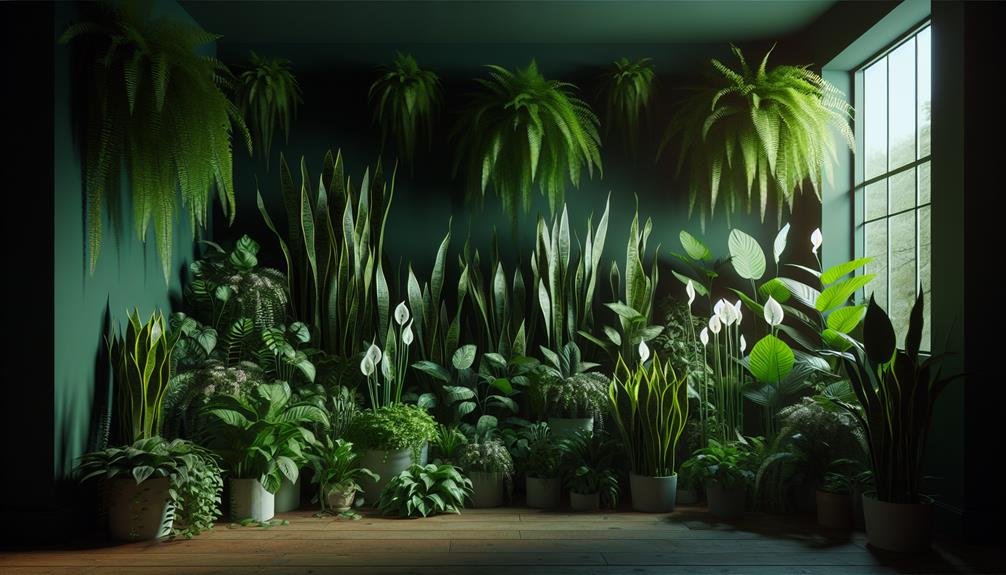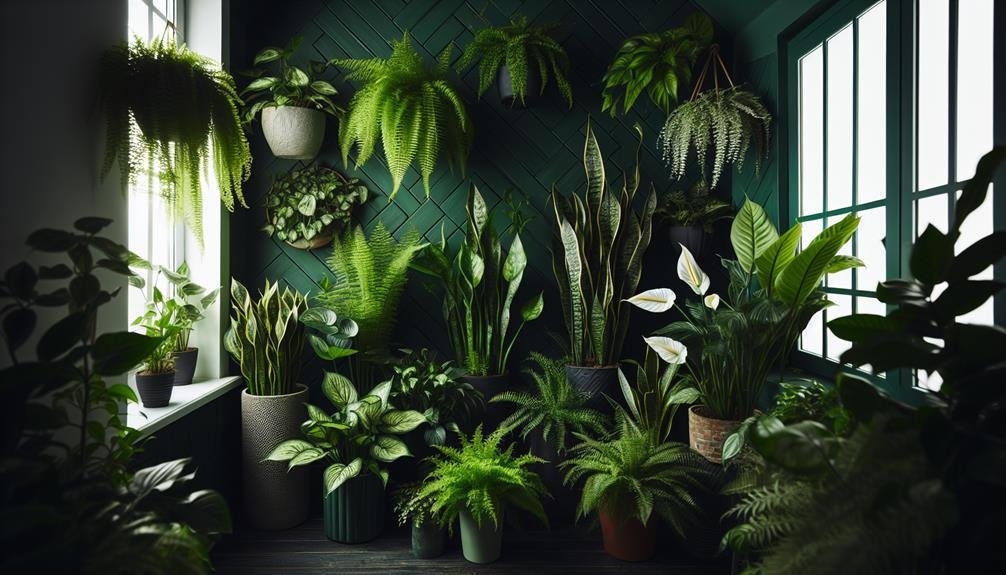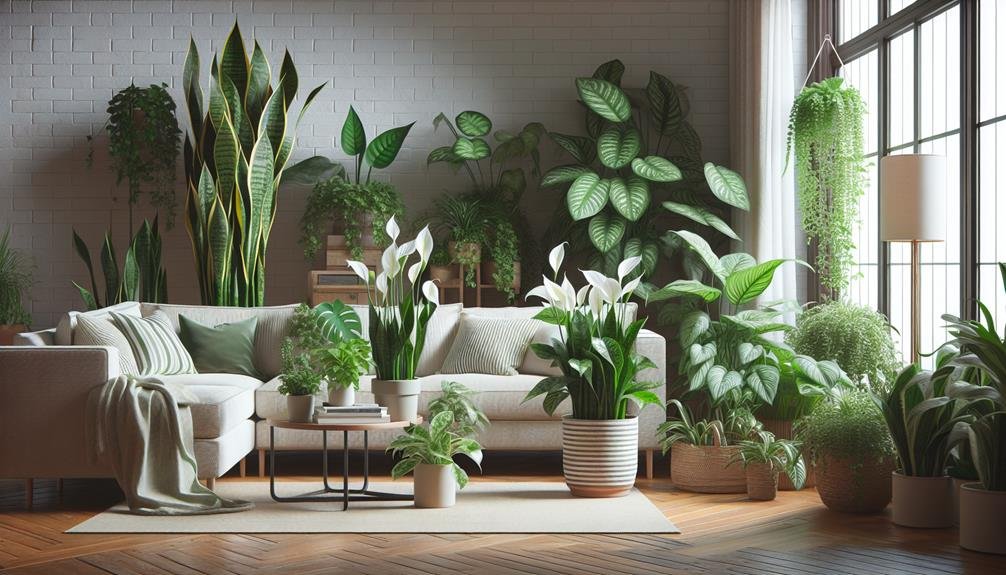
In a world where stress can feel like an ever-present storm cloud, finding a ray of sunshine can make all the difference. Imagine having your own oasis of calm right in your living room – now, what if that oasis came in the form of a humble houseplant?
These green companions not only add a touch of nature to your space but also have the power to transform it into a sanctuary of serenity. But which houseplants hold the key to reducing stress and anxiety?
Snake Plant
If you're seeking a low-maintenance houseplant that can thrive in various conditions, consider adding a Snake Plant to your indoor space. Snake Plants, also known as Sansevieria or Mother-in-Law's Tongue, are excellent choices for reducing stress and anxiety. These plants have striking long, upright leaves that come in various shades of green with yellow edges, adding a touch of elegance to any room.
One of the key benefits of Snake Plants is their ability to purify the air by removing toxins like formaldehyde, xylene, and toluene. This can improve the air quality in your home, creating a healthier environment for you to relax in. Additionally, Snake Plants are known for their resilience and ability to survive with minimal care, making them perfect for busy individuals or those new to plant parenting.
To care for your Snake Plant, place it in indirect sunlight and water it sparingly, allowing the soil to dry out between waterings. With proper care, your Snake Plant can thrive and bring a sense of calmness to your living space.
Lavender
Consider incorporating Lavender into your indoor oasis for its soothing properties that can help alleviate stress and anxiety. Lavender isn't just a beautiful plant with a pleasant fragrance; it also offers numerous benefits for your mental well-being. The calming scent of Lavender has been shown to reduce anxiety levels and promote relaxation, making it an excellent choice for those looking to create a peaceful environment at home.
Having a Lavender plant indoors can help you unwind after a long day and create a sense of tranquility in your living space. The gentle aroma released by the plant can have a calming effect on your mind, helping you to de-stress and find moments of peace throughout the day. Simply brushing your hand against the Lavender leaves can release its scent, instantly lifting your mood and easing tension.
In addition to its stress-relieving properties, Lavender is also easy to care for, making it a low-maintenance yet highly beneficial addition to your indoor garden. Whether you choose to place it in your bedroom, living room, or home office, Lavender can be a wonderful companion in your journey to reduce stress and anxiety.
Aloe Vera
One of the most versatile and beneficial houseplants for stress and anxiety is Aloe Vera. Not only is Aloe Vera easy to care for, but it also offers a range of health benefits. The gel inside the plant's leaves can be used topically to soothe skin irritations, burns, and cuts, promoting healing and reducing discomfort. This natural remedy can help you relax and feel more at ease in your home environment.
Aloe Vera is also known for its air-purifying properties, which can contribute to a healthier indoor atmosphere. By releasing oxygen and absorbing carbon dioxide during the night, Aloe Vera can improve the quality of the air you breathe while you sleep, helping you wake up feeling refreshed and rejuvenated.

Having an Aloe Vera plant in your living space can provide a calming presence and a touch of greenery that enhances the overall ambiance. Consider adding this low-maintenance plant to your home décor to enjoy its stress-relieving benefits and promote a sense of tranquility.
Peace Lily
The Peace Lily is a popular choice for indoor plant enthusiasts seeking a calming and visually appealing addition to their living spaces. This elegant plant not only adds a touch of serenity to your home but also offers numerous benefits for reducing stress and anxiety. The Peace Lily is known for its air-purifying qualities, helping to create a healthier environment by filtering out toxins such as formaldehyde and benzene.
Caring for a Peace Lily is relatively low maintenance, making it an ideal choice for those looking to add some greenery to their homes without the need for constant attention. This plant thrives in indirect light and only requires watering when the soil is dry to the touch. Its lush green leaves and delicate white flowers can brighten up any room, creating a peaceful ambiance that promotes relaxation and tranquility.
In addition to its aesthetic appeal, the Peace Lily has been shown to have mood-boosting properties, making it a perfect companion for those looking to create a calming sanctuary within their living space.
Spider Plant
With its graceful arching leaves and easy care requirements, the Spider Plant is a popular choice for both novice and experienced plant enthusiasts looking to brighten up their indoor spaces. This resilient plant not only adds a touch of green to your home but also offers a range of benefits that can help reduce stress and anxiety. Spider Plants are known for their air-purifying qualities, helping to create a healthier environment by removing toxins such as formaldehyde and xylene.
One of the most appealing features of the Spider Plant is its ability to thrive in various conditions, making it ideal for those who may not have a green thumb. They prefer bright, indirect light but can also tolerate low light environments. As an added bonus, Spider Plants are safe for pets, so you can enjoy their beauty without worry.
To care for your Spider Plant, simply water it when the soil is dry to the touch and trim any brown tips to keep it looking its best. With its low maintenance needs and aesthetic appeal, the Spider Plant is a fantastic addition to any home seeking a natural stress-reliever.
Frequently Asked Questions
How Often Should I Water My Snake Plant to Ensure It Stays Healthy and Stress-Reducing?
To keep your snake plant healthy and stress-reducing, water it every 2-6 weeks. Check the soil moisture level by sticking your finger in the soil; if it's dry, it's time to water.
Allow the water to drain out completely after watering to prevent root rot. Snake plants prefer slightly dry conditions, so avoid overwatering.
Consistent watering and proper drainage will help your snake plant thrive and bring you peace.
Are There Any Specific Care Tips for Growing Lavender Indoors to Help With Anxiety?
For growing lavender indoors to help with anxiety, ensure it receives plenty of sunlight and well-draining soil. Water when the top inch of soil is dry but don't overwater. Prune regularly to promote new growth and maintain its shape.
Provide good air circulation and watch out for pests. Lavender's soothing scent can uplift your mood and reduce stress, making it a great addition to your indoor space for relaxation.
Can Aloe Vera Plants Be Placed in a Bedroom to Help Reduce Stress and Improve Air Quality?
Yes, aloe vera plants can be placed in your bedroom to help reduce stress and improve air quality. Their soothing green leaves and low maintenance make them a great addition to any indoor space.
Aloe vera also releases oxygen at night, enhancing air quality while you sleep. Enjoy the calming benefits of this versatile plant right in your bedroom.
Is the Peace Lily Safe for Pets to Be Around, or Should It Be Kept Out of Reach?
The peace lily should be kept out of reach of pets as it can be harmful if ingested. While beautiful, it contains toxins that can cause irritation, digestive issues, or more severe reactions in animals.
It's best to place it in an area where your pets won't be able to access it to ensure their safety. Remember to always research plants before bringing them into your home to keep your furry friends out of harm's way.
What Are Some Common Pests That Can Affect Spider Plants, and How Can I Prevent Them From Causing Stress to the Plant and Its Owner?
To prevent common pests from stressing out your spider plant, regularly check for spider mites, aphids, and mealybugs. Keep an eye out for any signs of damage like yellowing leaves or webbing.
To combat these pests, wipe the leaves with a damp cloth, or use insecticidal soap. Also, ensure proper watering and adequate sunlight to keep your spider plant healthy and resilient.
With some care and attention, you can keep those pesky pests at bay.
Conclusion
Overall, incorporating these top houseplants into your living space can greatly help reduce stress and anxiety.
Snake plants, lavender, aloe vera, peace lilies, and spider plants all have unique qualities that promote a sense of calm and relaxation.
By adding these plants to your home environment, you can create a soothing atmosphere that benefits both your mental and physical well-being.
So why not bring some greenery into your space and start feeling more at ease today?