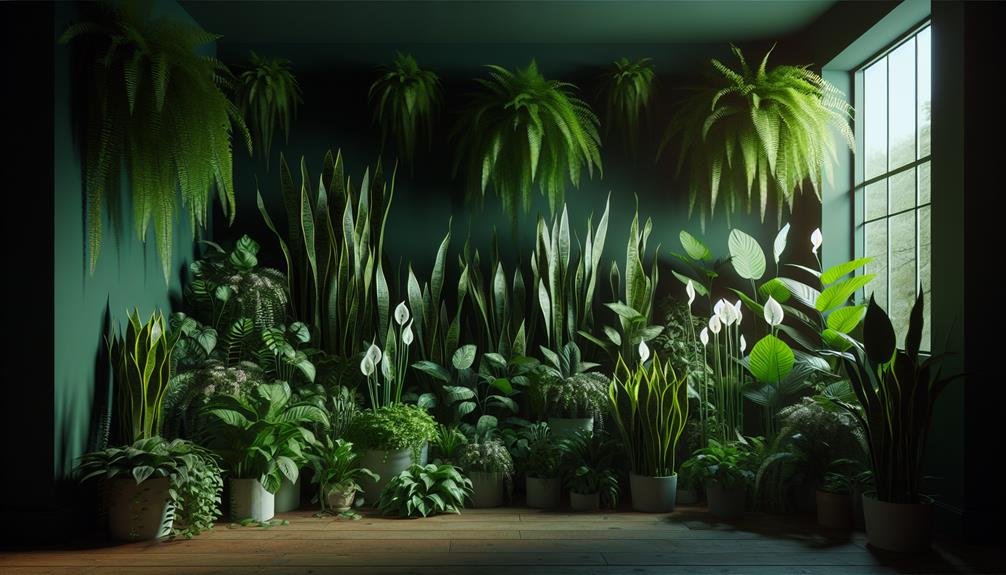
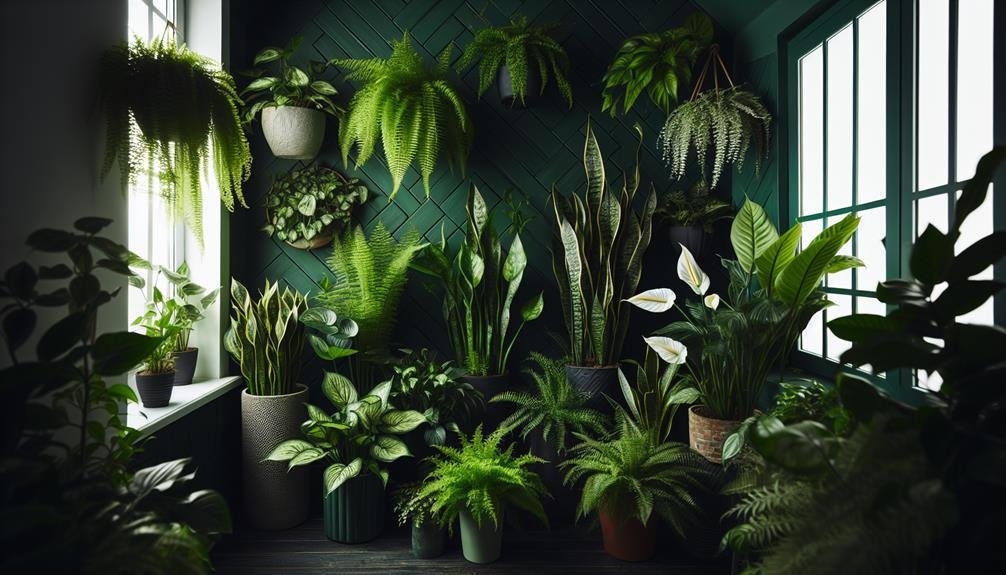
If you're seeking tranquility amidst the hustle of daily life, consider incorporating these 7 calming houseplants into your living space. From the soothing scent of lavender to the low-maintenance elegance of bamboo palm, each plant offers unique benefits to help you unwind and destress.
But did you know that these plants do more than just add a touch of greenery to your home? Stay tuned to discover how these natural companions can positively impact your well-being and create a peaceful sanctuary within your surroundings.
Lavender
If you're seeking a soothing addition to your home, consider adding lavender plants for their calming aroma and stress-relieving properties. Lavender isn't only visually appealing but also offers a range of benefits that can help create a tranquil environment in your space.
The scent of lavender has been long celebrated for its ability to promote relaxation and reduce stress levels. Simply having a lavender plant in your home can help create a peaceful atmosphere, perfect for unwinding after a long day. The gentle fragrance can also aid in improving sleep quality, allowing you to rest more deeply and wake up feeling refreshed.
In addition to its aromatic benefits, lavender plants are easy to care for, making them an ideal choice for both experienced and novice gardeners. These plants thrive in sunny locations with well-draining soil, requiring minimal maintenance to flourish. By incorporating lavender into your home, you can enjoy its calming effects and enhance the overall ambiance of your living space.
Aloe Vera
Consider adding Aloe Vera plants to your indoor garden for their soothing properties and low maintenance care requirements. Aloe Vera isn't only a popular ingredient in skincare products but also a beneficial houseplant known for its healing properties. The clear gel inside the plant's thick leaves can be used to treat minor burns, making it a practical addition to have around the house.
In addition to its medicinal uses, Aloe Vera is a great air purifier, helping to remove toxins like formaldehyde from the air. This plant thrives in bright, indirect sunlight and only requires watering every 2-3 weeks, making it an easy-to-care-for option for busy individuals.
The green, spiky leaves of the Aloe Vera plant can add a touch of freshness to your indoor space, creating a calming atmosphere to help you relax and unwind after a long day.
Snake Plant
Adding a Snake Plant to your indoor sanctuary can bring a touch of natural serenity and air-purifying benefits. This resilient plant, also known as Sansevieria or Mother-in-Law's Tongue, thrives in low light conditions and requires minimal maintenance, making it an excellent choice for busy individuals. The striking upright leaves of the Snake Plant can add a modern and calming aesthetic to your space, creating a soothing atmosphere.
One of the Snake Plant's most significant benefits is its ability to purify the air by removing toxins like formaldehyde, xylene, toluene, and nitrogen oxide. By releasing oxygen at night, this plant can also improve air quality while you sleep, promoting better rest and reducing stress and anxiety levels. Its reputation for being a hardy plant that's difficult to kill makes it a perfect option for beginners or those with busy schedules.

Consider placing a Snake Plant in your bedroom, living room, or office to enjoy its calming presence and air-purifying properties, enhancing your indoor environment and overall well-being.
Peace Lily
To continue enhancing your indoor sanctuary with calming houseplants, the Peace Lily is a soothing addition known for its elegant white blooms and air-purifying qualities. This beautiful plant not only adds a touch of serenity to your space but also helps to reduce stress and anxiety levels. The Peace Lily is easy to care for, making it a perfect choice for those looking to introduce a low-maintenance plant into their home.
One of the standout features of the Peace Lily is its ability to improve air quality by removing common toxins such as formaldehyde, benzene, and trichloroethylene. This can contribute to a healthier indoor environment, allowing you to breathe easier and feel more at ease. The plant's lush green leaves and delicate flowers create a calming atmosphere, promoting relaxation and peace of mind.
In addition to its air-purifying benefits, the Peace Lily is also known for its resilience and ability to thrive in low light conditions. This makes it an ideal plant for brightening up dimly lit spaces such as offices or bedrooms. Consider adding a Peace Lily to your indoor garden to enjoy its calming effects and beautify your home.
Spider Plant
Enhance your indoor space with the Spider Plant, a resilient and visually appealing houseplant known for its air-purifying properties. Spider Plants, with their long, arched leaves and striking white stripes, add a touch of elegance to any room. These plants are perfect for beginners due to their easy maintenance and ability to thrive in various conditions.
One of the Spider Plant's key benefits is its air-purifying quality. It helps remove toxins such as formaldehyde and xylene from the air, promoting a healthier indoor environment. This can contribute to reducing stress and anxiety levels, allowing you to breathe cleaner air and relax in your space.
Spider Plants are also known for their ability to propagate quickly. They produce baby spider plantlets that dangle down from the main plant, creating a charming and decorative effect. You can easily propagate these plantlets to expand your Spider Plant collection or share them with friends and family to spread the calming benefits of this beautiful houseplant.
English Ivy
With its cascading vines and lush green leaves, English Ivy provides a charming and low-maintenance addition to your indoor plant collection. This versatile plant isn't only aesthetically pleasing but also offers numerous benefits for your well-being. English Ivy is known for its air-purifying qualities, helping to remove toxins and mold spores from the air in your home. The presence of this plant can create a calming atmosphere, which is especially beneficial for reducing stress and anxiety.
Caring for English Ivy is relatively simple; it thrives in indirect light and prefers slightly moist soil. Regular watering and occasional misting to increase humidity levels are usually sufficient to keep this plant happy. English Ivy can also be easily propagated, allowing you to expand your collection or share its calming effects with friends and family.
Incorporating English Ivy into your indoor space can't only enhance the overall aesthetic but also contribute to a sense of tranquility and relaxation, making it a valuable addition to your stress-relief arsenal.
Bamboo Palm
Greet your space with the vibrant presence of a Bamboo Palm, known for its graceful fronds and air-purifying properties. This elegant plant, native to Central and South America, can thrive indoors with the right care. The Bamboo Palm's lush green leaves bring a touch of tranquility to any room, making it a perfect addition to your stress-relief oasis.
Not only does the Bamboo Palm enhance the aesthetic appeal of your space, but it also acts as a natural air purifier. By absorbing toxins like formaldehyde and benzene, this plant helps create a healthier indoor environment for you to unwind and relax. Its ability to release moisture into the air can also combat dryness, promoting a more comfortable atmosphere.
Caring for a Bamboo Palm involves providing indirect sunlight, regular watering to keep the soil slightly moist, and occasional misting to maintain humidity levels. With minimal effort, you can enjoy the calming benefits of this beautiful plant while reducing stress and anxiety in your home.
Frequently Asked Questions
How Often Should I Water My Lavender Plant?
Water your lavender plant sparingly to avoid root rot. Check the soil moisture by sticking your finger in it; if it feels dry about an inch deep, it's time to water.
Aim to water every 1-2 weeks, adjusting based on your home's humidity levels. Make sure the pot has good drainage to prevent waterlogging.
Consistent watering habits will help your lavender plant thrive and stay healthy.
Can Aloe Vera Plants Be Placed in Direct Sunlight?
Yes, aloe vera plants can thrive in direct sunlight as they're desert plants and require plenty of sunlight to grow well. However, be cautious of intense midday sun, as it can scorch the leaves.
Ensure that your aloe vera plant receives indirect sunlight or filtered light during the hottest parts of the day to prevent sunburn.
Water your aloe vera plant thoroughly but allow the soil to dry out between waterings to avoid root rot.
Are Snake Plants Safe for Households With Pets?
Yes, snake plants are safe for households with pets. They're non-toxic to cats and dogs if ingested, making them a great choice for pet-friendly homes.
Snake plants are easy to care for and can thrive in various light conditions, making them a versatile and low-maintenance option for adding some greenery to your living space without worrying about your furry friends getting sick from nibbling on the leaves.
How Can I Prevent My Peace Lily From Getting Yellow Leaves?
To prevent your peace lily from getting yellow leaves, make sure it's not getting too much sunlight. Keep the plant in a spot with indirect light.
Check the soil moisture regularly and water only when the top inch feels dry. Ensure good drainage to prevent overwatering, which can cause yellowing.
Trim any yellow leaves promptly to encourage new growth. With these steps, you can help your peace lily stay healthy and green.
Do Spider Plants Require a Lot of Maintenance to Thrive Indoors?
Spider plants don't require a lot of maintenance to thrive indoors. They're known for being low-maintenance and easy to care for.
With proper watering, adequate light, and occasional pruning, your spider plant should thrive without much effort on your part.
This makes them a great choice for beginners or those looking for a fuss-free houseplant option.
Just sit back, relax, and enjoy your lovely spider plant!
Conclusion
Incorporating calming houseplants like lavender, aloe vera, snake plant, peace lily, spider plant, English ivy, and bamboo palm into your home can help reduce stress and anxiety.
With their soothing properties and ability to purify the air, these plants create a peaceful and relaxing environment.
Simply adding a few of these plants to your space can make a big difference in promoting a sense of calm and well-being. Give them a try and feel the difference for yourself!