
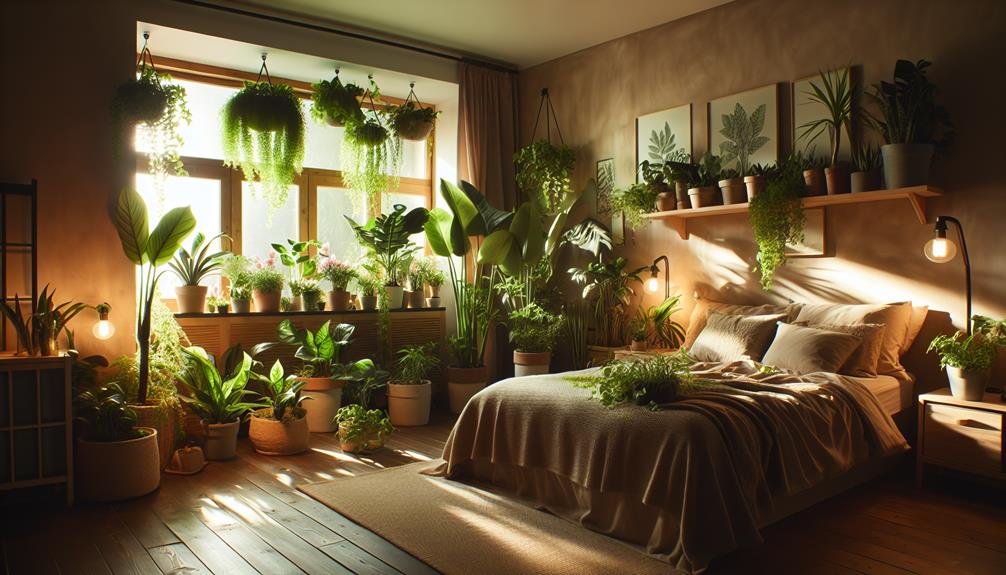
Have you ever considered that the secret to a restful night's sleep might lie in the humble houseplant?
Imagine drifting off to sleep more easily and waking up feeling refreshed without relying on pills or gadgets. There is a growing body of research suggesting that certain indoor plants can enhance your sleep quality naturally.
Stay tuned to discover how incorporating specific green companions into your bedroom environment could be the key to unlocking a deeper, more rejuvenating slumber.
Benefits of Houseplants for Sleep Quality
Adding houseplants to your bedroom can significantly improve your sleep quality. Plants have been shown to purify the air by releasing oxygen and absorbing carbon dioxide, which can create a more restful environment for you to sleep in. This improved air quality can help you breathe easier and experience fewer disruptions during the night. In addition, the presence of plants in your bedroom can have a calming effect on your mind, reducing stress and anxiety levels that often interfere with falling asleep.
Furthermore, certain houseplants are known for their ability to release phytoncides, which are airborne chemicals that plants use to protect themselves from insects. These phytoncides have been linked to lower blood pressure and stress levels, promoting a more relaxed state that's conducive to better sleep. By incorporating houseplants into your bedroom decor, you can create a tranquil and rejuvenating space that promotes restful sleep and overall well-being.
Top Houseplants for Better Sleep
For enhancing your sleep quality, consider incorporating these top houseplants into your bedroom decor.
- Lavender: Known for its calming aroma, lavender can help reduce stress and anxiety, leading to a more peaceful sleep.
- Snake Plant: This plant releases oxygen at night, improving air quality and promoting better breathing while you sleep.
- Aloe Vera: Not only does aloe vera purify the air, but it also emits oxygen at night, making it a great choice for your bedroom.
- Jasmine: The sweet scent of jasmine has been linked to reducing anxiety levels and improving sleep quality.
- Peace Lily: This plant can help increase humidity levels, reducing airborne allergens that could disturb your sleep.
- Spider Plant: Spider plants are excellent air purifiers, removing toxins and enhancing air quality in your bedroom.
- Valerian: Known for its sedative properties, valerian can help promote relaxation and improve sleep quality.
Creating a Relaxing Bedroom Oasis
To transform your bedroom into a relaxing oasis, focus on creating a calming environment that promotes restful sleep. Start by decluttering your space to reduce distractions and create a sense of serenity. Choose soothing colors like soft blues, greens, or earth tones for your walls and bedding to enhance relaxation. Incorporate soft lighting with dimmer switches or bedside lamps to create a cozy atmosphere conducive to winding down before bed.
Invest in comfortable bedding and pillows to ensure a restful night's sleep. Opt for natural fabrics like cotton or linen to keep you cool and comfortable throughout the night. Consider adding a few plush throw pillows or a cozy blanket to make your bed even more inviting.
To further enhance the calming ambiance, add a few houseplants known for their air-purifying and sleep-promoting qualities. Plants like lavender, jasmine, or aloe vera can help reduce stress and anxiety while promoting better sleep. Place them strategically around your bedroom to create a peaceful and rejuvenating sleep environment. With these simple steps, you can create a tranquil bedroom oasis that promotes improved sleep quality naturally.
Tips for Caring for Sleep-Boosting Plants
Caring for your sleep-boosting plants involves maintaining proper watering and light conditions to ensure their health and effectiveness in promoting better sleep. To keep your plants thriving, water them consistently, but avoid overwatering, as this can lead to root rot. Ensure that the soil is well-draining and allow the topsoil to dry out slightly between waterings. Different plants have varying light requirements, so place them in spots where they can receive the appropriate amount of sunlight. Rotate the plants occasionally to promote even growth.

Regularly dust off the leaves of your sleep-boosting plants to allow them to breathe properly. You can gently wipe the leaves with a damp cloth or give them a gentle shower to remove dust build-up. Keep an eye out for any pests and promptly address any infestations to prevent damage to your plants. Lastly, consider repotting your plants if they outgrow their containers to ensure they've enough space to continue flourishing and aiding your sleep quality.
Maximizing Sleep Benefits With Plants
To fully maximize the sleep benefits from your plants, focus on optimizing their environment and ensuring they have the ideal conditions to support your rest.
Place your sleep-promoting plants in strategic locations within your bedroom where they can receive adequate sunlight, such as near windows or under a grow light. Keep the temperature in your bedroom between 60-67°F (15-19°C) to create a comfortable atmosphere for both you and your plants.
Remember to water your plants consistently, but be cautious not to overwater as this can lead to root rot and affect their ability to thrive. Additionally, consider using a humidifier to maintain optimal moisture levels, especially if you live in a dry climate.
Regularly dust the leaves of your plants to ensure they can effectively absorb light and carbon dioxide during the day. By taking these simple steps to care for your plants and create a suitable environment, you can enhance the sleep benefits they provide and improve your overall sleep quality naturally.
Frequently Asked Questions
Can Any Type of Houseplant Improve Sleep Quality, or Are There Specific Types That Work Better Than Others?
When it comes to improving sleep quality with houseplants, not all types are equal. Some plants are better suited for promoting restful sleep than others.
Certain varieties, like lavender and jasmine, are known for their calming effects that can help you unwind and prepare for a good night's sleep. So, while any houseplant might add a touch of nature to your space, specific types like these may be more effective in aiding sleep.
How Long Does It Typically Take for Houseplants to Start Positively Impacting Sleep Quality?
Typically, it takes a few weeks for houseplants to positively impact your sleep quality. The time can vary depending on the plant type and your specific sleeping environment.
Make sure to provide proper care and placement for your plants to maximize their sleep-promoting benefits.
Be patient and consistent with your plant care routine, and you'll soon notice improvements in your sleep quality.
Are There Any Negative Side Effects or Risks Associated With Having Houseplants in the Bedroom for Better Sleep?
Having houseplants in your bedroom to improve sleep can come with some risks. Some people may experience allergies or sensitivities to certain plants, leading to congestion or discomfort.
Additionally, overwatering plants can increase humidity levels in the room, potentially promoting mold growth. It's important to choose plants carefully and ensure proper maintenance to avoid any negative side effects on your sleep quality.
Can Houseplants Help With Specific Sleep Issues, Such as Insomnia or Sleep Apnea?
Houseplants can indeed help with specific sleep issues, such as insomnia or sleep apnea. Different plants release oxygen and can purify the air, creating a more relaxing environment for better sleep.
Additionally, some plants have calming scents that can promote relaxation and reduce stress, aiding in falling asleep easier.
Consider incorporating houseplants into your bedroom to see if they can positively impact your sleep issues.
Are There Any Specific Placement or Positioning Recommendations for Houseplants in the Bedroom to Maximize Their Sleep Benefits?
To maximize the sleep benefits of houseplants in your bedroom, consider placing them near your bed for optimal air purification and relaxation effects. Position plants strategically to avoid blocking natural light sources or creating clutter.
Keep plants away from electronics to prevent interference with their growth. Remember to water and care for your plants regularly to maintain a healthy environment conducive to better sleep quality.
Conclusion
In conclusion, incorporating houseplants into your bedroom can significantly improve your sleep quality naturally. By choosing the right plants and creating a relaxing oasis in your bedroom, you can enjoy the benefits of better sleep every night.
Remember to care for your plants properly to maximize their sleep-boosting effects. So go ahead, bring some greenery into your bedroom and experience the difference it can make in your sleep routine.
Good night and sweet dreams!



