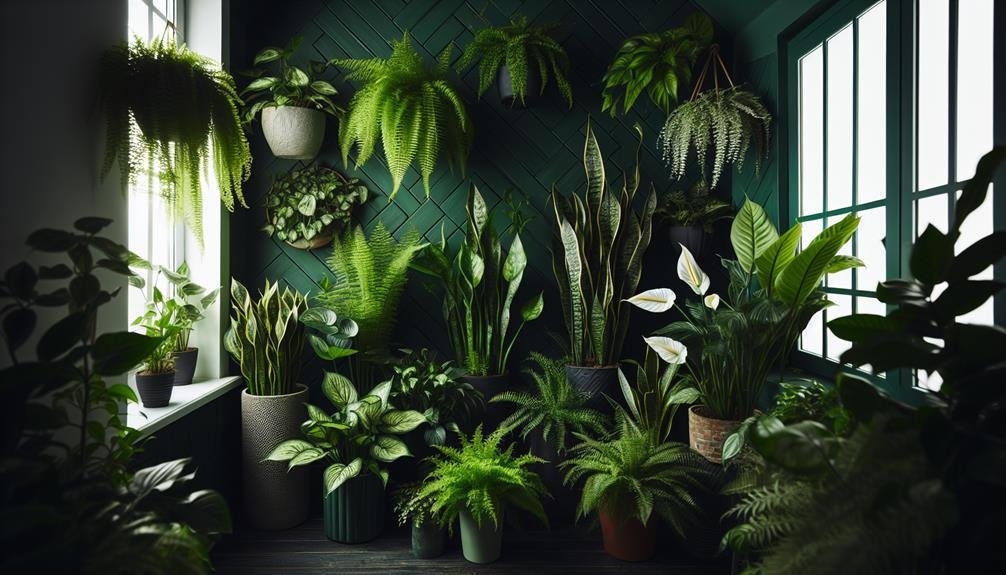
If you've ever felt like your mind is a tangled web of thoughts before bedtime, consider houseplants as tranquilizers for your sleep. Imagine these green companions as gentle lullabies for your restless mind.
But which ones should you invite into your bedroom? Let's shed light on five houseplants that not only adorn your space but also have the power to enhance your sleep quality.
From the soothing scent of lavender to the air-purifying prowess of a snake plant, these plants hold secrets to a peaceful night's rest.
Lavender
If you want to improve your sleep quality, consider adding lavender plants to your bedroom. Lavender isn't just a beautiful plant; it's also renowned for its calming and soothing properties. The gentle scent of lavender has been used for centuries to promote relaxation and alleviate stress, making it an ideal addition to your sleep environment.
Having lavender in your bedroom can help create a peaceful atmosphere that signals to your body that it's time to unwind and prepare for sleep. The natural aroma emitted by the lavender plant can reduce anxiety levels and lower heart rate, setting the stage for a restful night's sleep.
In addition to its aromatic benefits, lavender plants also have practical advantages. They're relatively easy to care for, requiring minimal maintenance to thrive. Placing a pot of lavender on your bedside table or windowsill can't only enhance the aesthetic appeal of your bedroom but also work wonders in improving your sleep quality.
Aloe Vera
Consider incorporating Aloe Vera plants into your bedroom to enhance your sleep quality. Aloe Vera isn't only known for its healing properties but also for its air-purifying abilities. This plant releases oxygen at night, making it a great addition to your bedroom environment. The increased oxygen levels can help you breathe easier, promoting a more restful sleep.
Aloe Vera also absorbs carbon dioxide during the night, a byproduct of respiration, which can have a calming effect on your mind and body. Its soothing green color and minimal maintenance make it a perfect choice for those looking to improve their sleep environment without much hassle. Additionally, Aloe Vera is known for its ability to remove toxins from the air, creating a cleaner and healthier atmosphere in your bedroom.
Having an Aloe Vera plant in your bedroom can also add a touch of natural beauty to your space, promoting a sense of tranquility and calmness that's conducive to a good night's sleep.
Snake Plant
Incorporate a Snake Plant into your bedroom to further enhance your sleep environment. Snake Plants, also known as Sansevieria, are excellent air purifiers, releasing oxygen at night and improving air quality, which can lead to better sleep. These plants are low maintenance and can thrive in various conditions, making them perfect for beginners or those with busy schedules.

Snake Plants have a unique ability to absorb carbon dioxide and release oxygen during the night, unlike most plants that do so during the day. This reversal in oxygen production can promote a more restful sleep environment by increasing oxygen levels and reducing carbon dioxide in the air. Additionally, Snake Plants are known for their ability to remove toxins such as formaldehyde, xylene, toluene, and nitrogen oxides, which can contribute to poor air quality and disrupt sleep.
The plant's aesthetic appeal and ability to thrive in low light make it an ideal choice for bedrooms. Its green, sword-shaped leaves can add a touch of nature to your sleeping space while working silently to enhance the air quality for a better night's rest.
Peace Lily
Enhance your bedroom ambiance with a Peace Lily, known for its air-purifying properties and elegant white blooms. The Peace Lily, with its lush green leaves and delicate flowers, isn't only a visually appealing addition to your bedroom but also a beneficial plant for improving your sleep quality. This plant is excellent at removing toxins like formaldehyde, benzene, and trichloroethylene from the air, creating a cleaner and healthier environment for you to rest in.
The Peace Lily is a low-maintenance plant that thrives in shaded areas, making it perfect for indoor spaces with limited natural light. Its ability to thrive in low light conditions also means that you can place it anywhere in your bedroom without worrying about direct sunlight. Additionally, this plant has been known to increase humidity levels, which can be especially beneficial if you suffer from dry air in your sleeping space.
Consider adding a Peace Lily to your bedroom decor to enjoy not only its aesthetic beauty but also its air-purifying and sleep-enhancing qualities.
Spider Plant
The Spider Plant, with its long, arching leaves and small white flowers, is a popular choice for improving indoor air quality and adding a touch of greenery to your living space. This resilient plant isn't only aesthetically pleasing but also serves as a natural air purifier, helping you breathe cleaner air while you sleep.
Spider Plants are effective at removing common indoor air pollutants such as formaldehyde, xylene, and toluene. By placing a Spider Plant in your bedroom, you can create a healthier environment that promotes better sleep quality. The plant is low-maintenance, making it an ideal choice for those new to plant care or with busy schedules.
In addition to its air-purifying qualities, the Spider Plant releases oxygen during the night, which can improve your sleep by enhancing the air quality in your bedroom. Its ability to thrive in various lighting conditions makes it a versatile option for different spaces within your home. Consider adding a Spider Plant to your bedroom décor to enjoy its sleep-enhancing benefits.
Frequently Asked Questions
Are There Any Specific Care Tips for Each of These Houseplants to Ensure They Thrive and Contribute to Better Sleep Quality?
To ensure your houseplants thrive and enhance your sleep quality, focus on proper care. Each plant has unique needs, so pay attention to watering schedules, sunlight exposure, and soil quality.
Regularly prune and clean the leaves to prevent pests and diseases. Remember to rotate the plants for even growth.
Can These Houseplants Be Placed in the Bedroom or Are There Any Specific Recommendations for Where They Should Be Placed in the Home?
When deciding where to place these houseplants, consider factors such as sunlight, humidity, and temperature requirements. Find spots in your home that meet these needs, ensuring optimal conditions for growth.
Keep in mind that some plants prefer bright light, while others thrive in shaded areas. By understanding each plant's specific needs, you can create an environment where they can flourish and contribute to improving your sleep quality.
Do These Houseplants Have Any Potential Side Effects or Drawbacks That Should Be Considered Before Incorporating Them Into the Bedroom?
Before adding houseplants to your bedroom, it's essential to be aware of any potential side effects or drawbacks. Some plants may release pollen or fragrance that could trigger allergies or sensitivities. Also, overwatering or improper care can lead to mold growth, attracting pests.
Research each plant's specific needs and consider your own health factors before bringing them into your sleeping space.
How Long Does It Typically Take for These Houseplants to Have a Noticeable Impact on Sleep Quality?
Typically, it can take a few weeks for houseplants to have a noticeable impact on sleep quality. Your environment needs time to adjust and for the plants to acclimate.
Be patient and consistent with caring for your plants, ensuring they receive proper sunlight, water, and care. Once they've settled in and are thriving, you may start to see improvements in your sleep quality over time.
Are There Any Other Houseplants That Can Be Combined With These Ones to Create an Optimal Sleep Environment?
To create an optimal sleep environment, consider adding other houseplants that complement the ones you already have. Look for plants like lavender, jasmine, or aloe vera, known for their calming and air-purifying properties.
These plants can enhance the overall atmosphere in your bedroom and contribute to better sleep quality when combined with the existing ones. Experiment with different combinations to find what works best for you.
Conclusion
So there you have it – incorporating these houseplants into your bedroom can't only add a touch of greenery to your space, but also help improve your sleep quality.
From the calming scent of lavender to the air purifying benefits of the spider plant, these plants offer a natural way to promote relaxation and better sleep.
So why not give them a try and enjoy a more restful night's sleep?