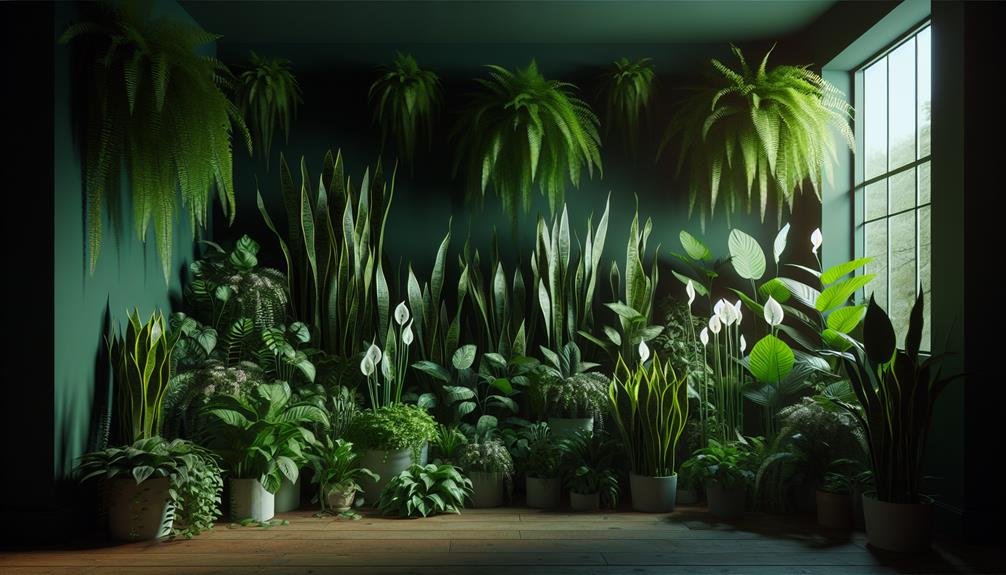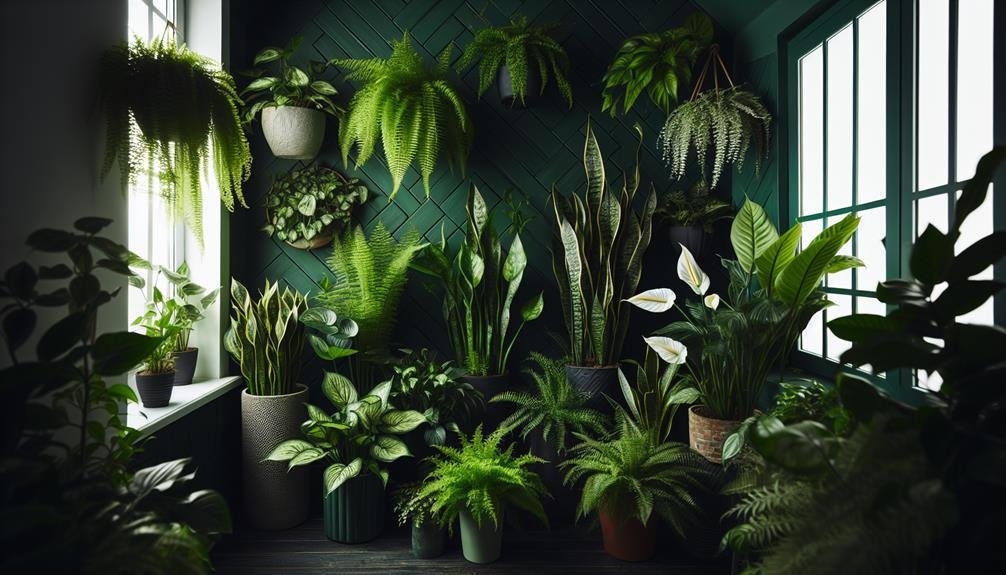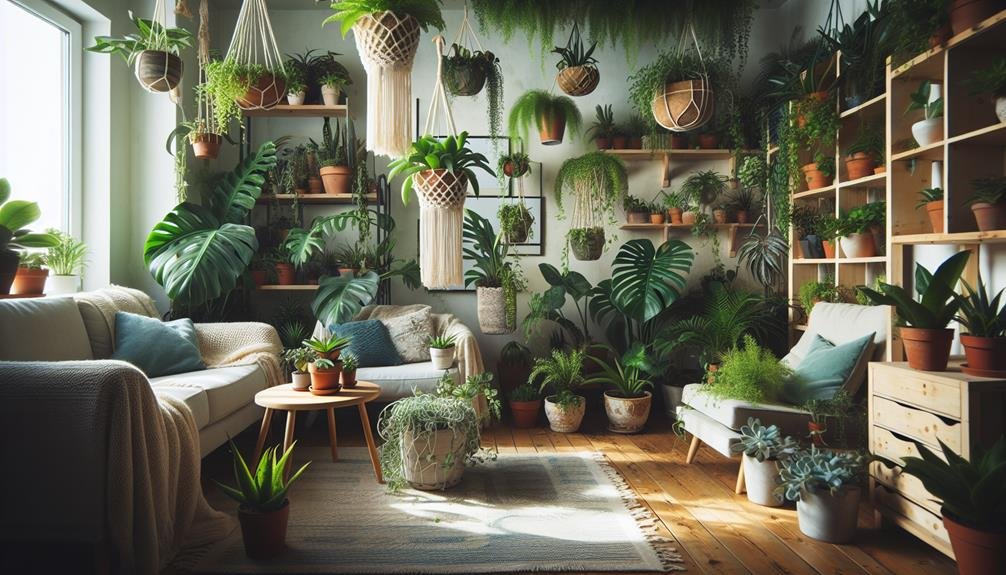
To transform your living space into a serene sanctuary, incorporating houseplants can be a game-changer. Not only do they enhance the aesthetics of your home, but they also offer numerous benefits. From purifying the air to boosting your mood, houseplants can truly elevate your environment.
But how exactly can you curate a natural home decor oasis with these green companions? Let's explore the art of selecting the perfect houseplants and discover the secrets to creating a harmonious botanical haven in your home.
Benefits of Houseplants in Home Decor
Enhance your living space with vibrant houseplants that not only beautify but also purify the air around you. Houseplants are more than just aesthetically pleasing additions to your decor; they offer a myriad of benefits that can improve your overall well-being. By introducing houseplants into your home, you can experience a boost in mood and productivity. The presence of greenery has been linked to reduced stress levels and enhanced creativity, creating a calming and inspiring atmosphere in your living space.
Moreover, houseplants act as natural air purifiers, filtering out harmful toxins and impurities from the air. They help increase oxygen levels and improve air quality, promoting better respiratory health. Certain houseplants are known for their ability to absorb pollutants, such as formaldehyde and benzene, making your indoor environment healthier and more enjoyable to be in.
In addition to their air-purifying qualities, houseplants also have been shown to boost concentration and memory retention. Studies have indicated that having plants in your surroundings can enhance cognitive function and overall mental well-being. Embrace the benefits of houseplants in your home decor to create a harmonious and rejuvenating living space.
Selecting the Right Houseplants
When choosing houseplants for your home decor, consider factors such as lighting requirements, space availability, and maintenance needs. Start by assessing the natural light in your home – some plants thrive in bright, direct sunlight, while others prefer low-light conditions. For spaces with limited light, opt for plants like pothos, snake plants, or peace lilies that can thrive in shade. If your home receives ample sunlight, consider plants such as succulents, cacti, or aloe vera.
Space availability is another crucial factor. If you have limited floor space, hanging plants like spider plants or ivy can add a touch of greenery without taking up valuable square footage. For larger spaces, consider statement plants like fiddle leaf figs or rubber plants that can become a focal point in a room.
Maintenance needs vary among houseplants, so choose ones that align with the care routine you can commit to. If you tend to forget watering schedules, resilient plants like ZZ plants or snake plants are excellent options. On the other hand, if you enjoy the process of caring for plants, you might opt for more high-maintenance options like orchids or ferns. By considering these factors, you can select the right houseplants that will thrive in your home environment.
Placement Tips for Houseplants
For optimal growth and visual impact, strategically placing your houseplants in different areas of your home is key. When deciding on locations, consider the light requirements of each plant. Place light-loving plants like succulents and cacti in sunny spots near windows, while shade-tolerant plants such as snake plants and pothos can thrive in corners with less light.
Create a lush atmosphere by clustering plants together. Grouping plants of varying heights and textures adds depth and interest to your space. Hanging planters are perfect for adding greenery without taking up floor space. Consider suspending them near windows or in unused corners to draw the eye upwards and make your space feel larger.

Don't forget about high-traffic areas like entryways and living rooms. Incorporating plants in these spaces not only enhances the aesthetic but also improves air quality. Lastly, don't be afraid to experiment and move plants around until you find the perfect spots where they can flourish and enhance your home decor.
DIY Plant Decor Projects
To add a personal touch to your home decor oasis, consider engaging in some creative and rewarding DIY plant decor projects. One fun project is creating your own macramé plant hangers. All you need is some cotton cord and a few basic knots to make stunning hangers that elevate your plants.
Another idea is to repurpose old containers into unique plant pots. You can paint them in vibrant colors or add patterns for a custom look.
Terrariums are also a fantastic DIY project that adds a modern touch to your space. Gather some glass containers, small pebbles, activated charcoal, potting soil, and your favorite tiny plants to create miniature indoor gardens.
For those feeling crafty, making botanical art prints using leaves or flower petals is a fun way to incorporate nature into your decor. These projects not only enhance your home with greenery but also provide a sense of accomplishment and creativity.
Maintaining Healthy Houseplants
Ensuring your houseplants receive adequate light and water is crucial for their health and growth. Place your plants near windows where they can get sufficient natural light. If natural light is limited, consider supplementing with artificial grow lights. Be mindful of each plant's specific light requirements.
Water your houseplants appropriately by checking the soil moisture regularly. Overwatering can lead to root rot, while underwatering can cause wilting and stunted growth. The frequency of watering depends on factors like plant type, pot size, and environmental conditions. Use pots with drainage holes to prevent waterlogging.
Maintain a consistent watering schedule but adjust as needed. Some plants may need more water during their active growing season. Mist your plants occasionally to increase humidity, especially if you live in a dry climate. Remove any yellowing or dead leaves promptly to promote healthy growth.
Regularly inspect your plants for pests and diseases. Treat any issues promptly to prevent them from spreading. With proper care and attention, your houseplants will thrive and beautify your living space.
Frequently Asked Questions
Can Houseplants Help Improve Indoor Air Quality and Reduce Pollutants in the Home?
Houseplants can indeed improve indoor air quality and help reduce pollutants in your home. They work by absorbing carbon dioxide and releasing oxygen through photosynthesis, which can help freshen up the air.
Additionally, certain houseplants have the ability to filter out toxins like formaldehyde and benzene, making the air cleaner and healthier to breathe. So, incorporating houseplants into your home decor can have multiple benefits for your well-being.
How Can I Incorporate Hanging Planters Into My Home Decor?
To incorporate hanging planters into your home decor, consider placing them in areas with natural light. Opt for a variety of plant species to add visual interest. Hang the planters at different heights to create a dynamic display.
Ensure the planters complement your existing decor style. Use hooks or ceiling mounts for secure installation. Remember to regularly water and care for your hanging plants to keep them thriving and beautiful.
Are There Any Houseplants That Are Safe for Pets to Be Around?
When selecting houseplants safe for pets, ensure they're non-toxic to cats and dogs. Popular pet-friendly options include spider plants, Boston ferns, and African violets.
Keep harmful plants like lilies, aloe vera, and pothos out of reach. Prioritize the safety of your furry friends by researching each plant before introducing them into your home.
Create a harmonious environment where both your plants and pets can thrive together peacefully.
What Are Some Creative Ways to Display Houseplants in Small Spaces?
When thinking about displaying houseplants in small spaces, you can get creative! Utilize floating shelves to add greenery without taking up floor space.
Hang plants in macrame holders near windows to maximize sunlight. Consider using wall-mounted planters or even repurposing old containers as pots.
Vertical gardening with a trellis can also be a great space-saving solution. With a bit of ingenuity, you can turn any corner into a lush oasis!
How Often Should I Repot My Houseplants and What Signs Should I Look for That Indicate It's Time for Repotting?
When it comes to repotting houseplants, keep an eye out for roots peeking out of the drainage holes or becoming root-bound. Check for slower growth, wilting, or the need for more frequent watering.
Generally, repot every 1-2 years for most plants, or when the roots outgrow the current container. Choose a slightly larger pot with good drainage and fresh soil. Repotting can give your plant a fresh start and promote healthy growth.
Conclusion
Now that you have learned the benefits of houseplants, how to select the right ones, where to place them, and how to maintain their health, you're well on your way to creating a natural oasis in your home.
Incorporating houseplants into your decor not only adds beauty and style, but also improves air quality and promotes a sense of tranquility.
So go ahead, bring some greenery into your living space and enjoy the benefits of a plant-filled home.