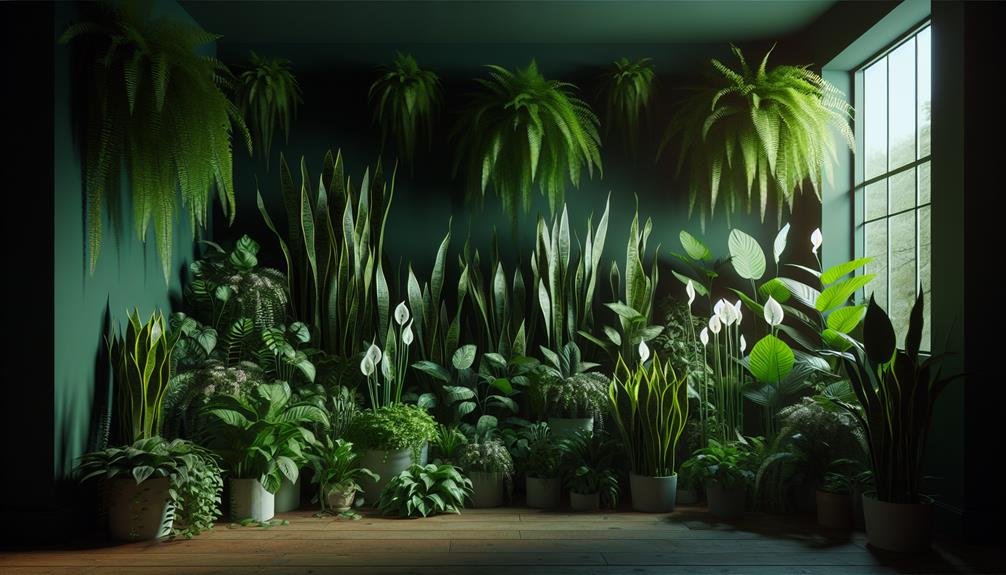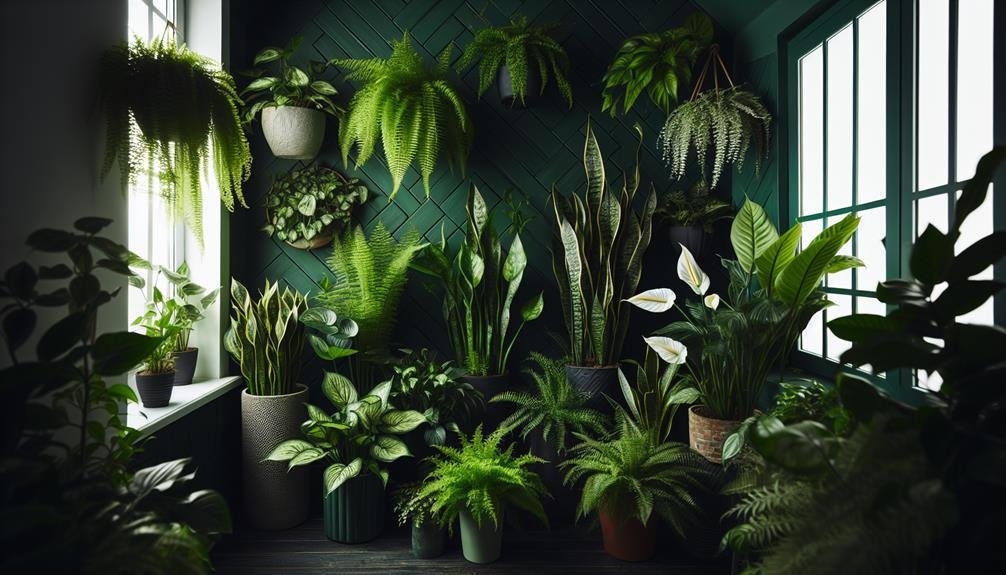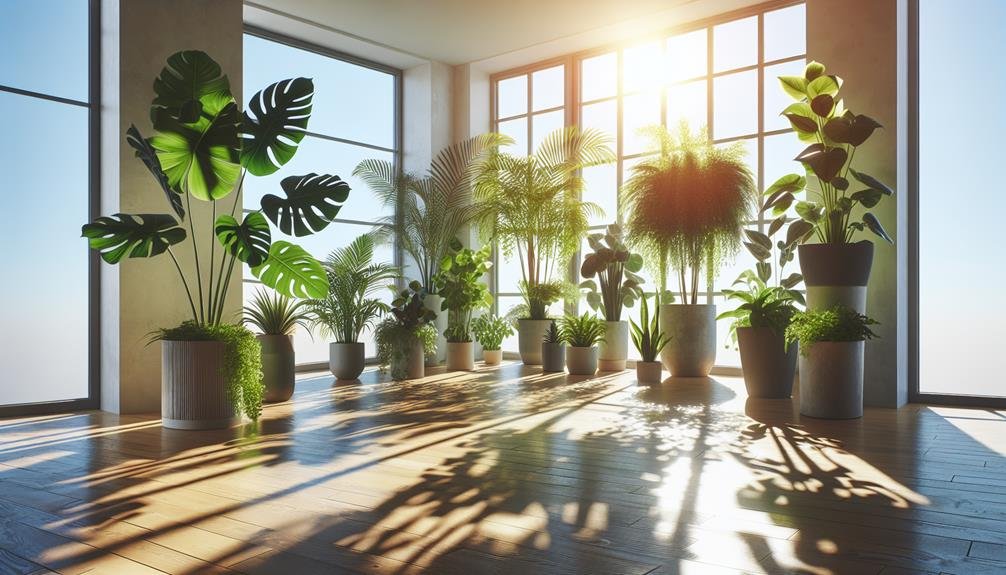
If you've ever struggled to find the perfect houseplant to complement your natural home decor, look no further.
Imagine coming home to a serene space filled with lush greenery that not only enhances your interior but also purifies the air you breathe.
Picture a touch of nature that effortlessly adds warmth and tranquility to your living environment.
As you envision the possibilities, consider the seven best houseplants meticulously chosen to elevate your home decor and create a harmonious sanctuary amid the chaos of daily life.
Snake Plant
When looking to add a low-maintenance plant to your home decor, consider the Snake Plant. This resilient plant, also known as Sansevieria or Mother-in-Law's Tongue, thrives in various light conditions, making it a versatile choice for any room in your home. With its striking tall, sword-shaped leaves that come in different patterns and shades of green, the Snake Plant adds a touch of elegance and modernity to your living space.
Not only is the Snake Plant visually appealing, but it also offers health benefits. This plant is exceptional for purifying the air by removing toxins like formaldehyde and benzene, promoting a cleaner and fresher indoor environment. Its ability to convert CO2 into oxygen even during the night makes it an ideal bedroom companion for better air quality while you sleep.
Furthermore, the Snake Plant requires minimal attention, making it perfect for those with busy schedules or beginners in plant care. Water sparingly, ensuring the soil dries out between waterings, and place it in indirect sunlight for optimal growth. With the Snake Plant, you can effortlessly elevate your home decor while enjoying its air-purifying benefits.
Spider Plant
Consider adding a Spider Plant to your home decor for a vibrant and easy-care green companion. Spider Plants, scientifically known as Chlorophytum comosum, are popular for their air-purifying qualities and unique foliage. These plants feature long, slender leaves that arch gracefully, giving them a spider-like appearance, hence their name.
One of the key benefits of having a Spider Plant is its low maintenance requirements. They thrive in indirect light and can adapt well to various conditions, making them perfect for beginners or those with busy schedules. Spider Plants are also known for their ability to remove toxins like formaldehyde and xylene from the air, promoting a healthier indoor environment.
In terms of care, Spider Plants prefer well-draining soil and moderate watering. Allow the soil to dry out between waterings to prevent root rot. These plants also produce offshoots called “spiderettes,” which can be propagated easily to expand your plant collection or share with friends. With their striking appearance and easy care routine, a Spider Plant can be a wonderful addition to your natural home decor.

Pothos
Adding a touch of green to your living space, Pothos is a versatile and popular houseplant choice for natural home decor. With its vibrant green heart-shaped leaves cascading elegantly, Pothos can thrive in various lighting conditions, making it ideal for both bright and low-light environments. This hardy plant is low-maintenance, requiring only occasional watering when the soil is dry to the touch. Pothos isn't only aesthetically pleasing but also serves as a natural air purifier, filtering out common toxins like formaldehyde and benzene from the air.
One of the reasons Pothos is a favorite among plant enthusiasts is its ability to adapt to different environments, including hanging baskets or as a trailing vine on shelves or furniture. Its trailing vines can grow quite long, adding a dynamic and lush element to your decor. Pothos also offers different varieties with variegated leaves, such as 'Marble Queen' or 'Golden Pothos', for those looking to add a unique touch to their indoor greenery.
Peace Lily
Pothos may have been your go-to choice, but now let's explore the elegance of the Peace Lily for your natural home decor. The Peace Lily, with its striking dark green leaves and delicate white flowers, brings a sense of tranquility and sophistication to any space. This plant isn't only aesthetically pleasing but also known for its air-purifying qualities, making it a perfect addition to your home.
One of the main advantages of the Peace Lily is its ability to thrive in low light conditions, making it suitable for rooms with minimal natural light. This plant is relatively low maintenance, requiring watering only when the soil is dry to the touch. Additionally, the Peace Lily is a great choice for those with pets as it's non-toxic to cats and dogs.
To care for your Peace Lily, simply place it in indirect sunlight, water it moderately, and enjoy its beauty. Whether placed on a shelf, desk, or as a centerpiece, the Peace Lily is sure to enhance the natural ambiance of your home decor.
ZZ Plant
For a stylish and low-maintenance addition to your indoor space, look no further than the ZZ Plant. This trendy plant, also known as Zamioculcas Zamiifolia, is perfect for those who want to add a touch of greenery without the hassle of constant care.
The ZZ Plant features glossy, dark green leaves that can brighten up any room with their attractive appearance.
One of the best things about the ZZ Plant is its resilience to neglect. This hardy plant can thrive in low light conditions and can go for weeks without watering, making it ideal for busy individuals or those new to plant care.
Its ability to purify the air by removing toxins like xylene and toluene adds to its appeal as a natural home decor choice.
Adding a ZZ Plant to your living space can instantly elevate the overall aesthetic while requiring minimal effort on your part. Whether placed on a tabletop or as a floor plant, the ZZ Plant is sure to bring a touch of nature indoors with its striking beauty and easy maintenance.
Fiddle Leaf Fig
The Fiddle Leaf Fig plant boasts large, violin-shaped leaves that make it a popular choice for adding a touch of elegance to any room. Its lush foliage and tall, sculptural form can instantly elevate the aesthetics of your living space. This plant thrives in bright, indirect light, making it perfect for well-lit areas in your home.
When caring for your Fiddle Leaf Fig, be sure to water it when the top inch of soil feels dry to the touch. Overwatering can lead to root rot, so it's essential to let the soil dry out between waterings. Additionally, dust the leaves regularly to keep them clean and allow for proper photosynthesis.
Consider placing your Fiddle Leaf Fig in a decorative pot that complements your home decor style. Its glossy leaves can provide a striking contrast against a neutral backdrop or add a pop of green to a colorful room. With proper care and attention, your Fiddle Leaf Fig can become a standout feature in your natural home decor.
Aloe Vera
Thriving in sunlight and requiring minimal maintenance, Aloe Vera is a versatile houseplant known for its soothing gel-filled leaves. This succulent isn't only aesthetically pleasing but also offers practical benefits. Aloe Vera is well-loved for its medicinal properties, making it a dual-purpose addition to your home decor.
When it comes to caring for Aloe Vera, simplicity is key. Place it in a sunny spot, like a windowsill, and water sparingly, allowing the soil to dry out completely between waterings. This low-maintenance plant is perfect for busy individuals or those new to plant parenthood.
In addition to its easy upkeep, Aloe Vera can also purify the air in your home by removing harmful toxins. Its sleek, green leaves add a touch of freshness to any room, making it a popular choice for natural home decor enthusiasts.
Consider adding an Aloe Vera plant to your indoor garden not just for its visual appeal, but also for its healing properties and air-purifying benefits.
Frequently Asked Questions
How Often Should I Repot My Houseplants for Optimal Growth?
When should you repot your houseplants for optimal growth?
It's essential to keep an eye on the root system. If you notice roots circling the pot or growing out of the drainage holes, it's time to repot.
Generally, most houseplants benefit from being repotted every 1-2 years to provide fresh soil and space for root growth.
Can I Mix Different Houseplants Together in the Same Container?
Yes, you can mix different houseplants together in the same container. However, it's essential to consider each plant's unique needs, such as lighting, watering, and space requirements.
Be mindful of combining plants with similar care preferences to ensure they thrive together. Regularly monitor their growth and adjust care routines as needed to maintain a harmonious environment for all your houseplants.
Enjoy creating beautiful plant arrangements in your home!
Are There Any Specific Pests or Diseases That I Should Watch Out for With These Houseplants?
When caring for your houseplants, it's important to watch out for specific pests and diseases. Common pests like aphids, spider mites, and mealybugs can infest your plants. Keep an eye out for signs of yellowing leaves, white spots, or webbing.
To prevent these issues, regularly inspect your plants, maintain proper watering habits, and consider using natural remedies or insecticidal soaps if needed. Proper care and vigilance can help keep your plants healthy and thriving.
What Are Some Common Misconceptions About Caring for Indoor Plants?
When it comes to caring for indoor plants, some common misconceptions can trip you up. One big one is overwatering—plants need a balance.
Another is assuming all plants need the same amount of light. Remember, each plant has its own preferences.
Lastly, neglecting to dust the leaves can block sunlight absorption. Keep these in mind for healthier, happier houseplants.
How Do I Know if My Houseplants Are Getting Enough Sunlight or Water?
To know if your houseplants are getting enough sunlight or water, observe their leaves. If they're turning yellow or brown and dropping off, they might need more light or water. Check the soil moisture by sticking your finger in it; if it's dry, it's time to water.
Place plants near windows for sunlight and adjust watering based on their needs. Remember, each plant is unique, so pay attention to their individual requirements.
Conclusion
So there you have it – the 7 best houseplants for natural home decor! Whether you're looking to purify the air, add a touch of greenery, or simply brighten up your space, these plants are perfect for any home.
With their easy care requirements and aesthetic appeal, they're sure to bring life and beauty to your living space.
Start incorporating these plants into your home decor today for a fresh and vibrant atmosphere!