Have you ever wondered how to turn down the volume on unwanted noise in your surroundings?
Imagine a natural solution right at your fingertips, one that not only adds greenery but also acts as a barrier against disruptive sounds.
Discover the plant allies that can help create a peaceful acoustic environment in your daily life.
Benefits of Using Noise-Reducing Plants
By incorporating noise-reducing plants into your living or work environment, you can experience a significant decrease in disruptive sounds. These plants act as natural sound barriers, absorbing and diffusing noise pollution, creating a calmer and more peaceful atmosphere. Not only do noise-reducing plants help in blocking out unwanted sounds, but they also improve air quality by releasing oxygen and reducing carbon dioxide levels. This dual benefit contributes to a healthier indoor environment for you to thrive in.
Furthermore, the presence of greenery has been linked to reducing stress, anxiety, and fatigue. The soothing effect of plants can enhance your overall well-being and productivity by creating a more relaxed setting. Imagine being able to focus better on your tasks or unwind after a long day in a space filled with lush, noise-reducing plants. Additionally, these plants can add aesthetic value to your surroundings, bringing a touch of nature indoors. Overall, incorporating noise-reducing plants into your environment not only improves the quality of the air you breathe but also enhances your mental and emotional state.
Types of Noise-Reducing Plants
Incorporating noise-reducing plants into your environment offers not only a peaceful atmosphere but also specific benefits in terms of air quality and well-being.
When selecting plants to help reduce noise pollution, consider options such as the Chinese Evergreen (Aglaonema), which is known for its ability to absorb sound waves and thrive in low light conditions. The Rubber Plant (Ficus elastica) is another excellent choice, with large, glossy leaves that aid in sound absorption. For a touch of elegance, try the Weeping Fig (Ficus benjamina), a tree that not only reduces noise but also adds a graceful aesthetic to your space.
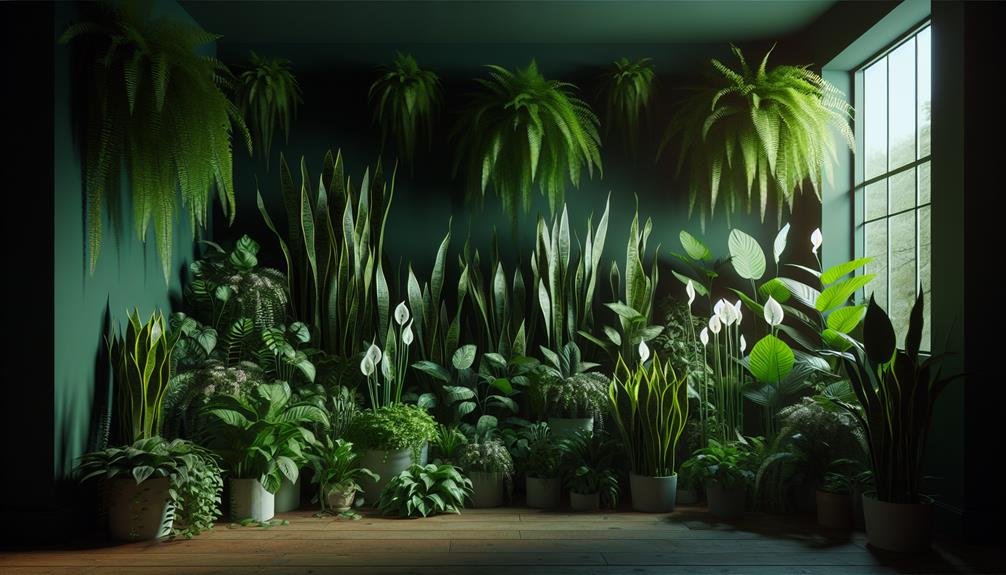
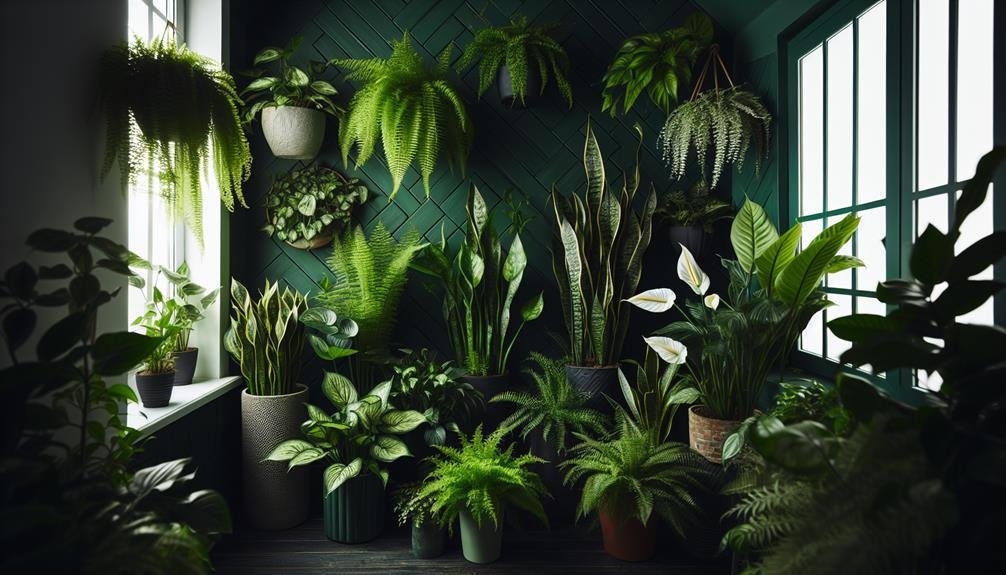
Bamboo palms (Chamaedorea seifrizii) are ideal for noise reduction and are easy to care for, making them a popular choice. If you prefer flowering plants, the Peace Lily (Spathiphyllum) is a great option that not only reduces noise but also helps to purify the air. Lastly, the Boston Fern (Nephrolepis exaltata) is a versatile plant that not only adds a lush green element to your surroundings but also contributes to noise reduction effectively.
Factors to Consider When Choosing Plants
When choosing plants for noise reduction, consider factors such as their size, growth rate, and maintenance requirements.
The size of the plant is crucial as larger plants with dense foliage are more effective at absorbing sound waves. Opt for plants like evergreen trees or shrubs that can act as a barrier between your space and the source of noise.

Additionally, the growth rate of the plant is essential to achieve quick noise reduction results. Fast-growing plants can establish themselves rapidly and provide a more immediate noise-buffering effect.
Consider the maintenance requirements of the plants as well. Choose low-maintenance options if you have limited time for upkeep, or opt for plants that thrive in your specific climate and soil conditions.
Tips for Maintaining Noise-Reducing Plants
To ensure your noise-reducing plants remain effective, proper maintenance is key. Regular watering is essential to keep your plants healthy and vibrant. Make sure to check the soil moisture levels regularly and water accordingly. Pruning is another crucial aspect of plant maintenance. Trim any dead or damaged branches to promote new growth and overall plant health.
Fertilizing your noise-reducing plants is important to provide them with the necessary nutrients for optimal growth. Choose a fertilizer specifically formulated for the types of plants you have and follow the instructions for best results. Additionally, inspect your plants regularly for pests and diseases. Taking prompt action at the first sign of infestation can prevent further damage and help your plants thrive.
Lastly, consider the placement of your noise-reducing plants. Ensure they're receiving the right amount of sunlight and are protected from harsh weather conditions. By following these maintenance tips, you can ensure that your noise-reducing plants continue to effectively reduce noise pollution in your space.
Creative Ways to Incorporate Plants Into Spaces
Consider adding a touch of greenery to your living or working space in unique and imaginative ways. Instead of traditional potted plants, explore hanging planters or vertical gardens to maximize space.
Create a living wall using a variety of plant species to add a pop of color and freshness to your room. Repurpose old containers like mason jars, tin cans, or wooden crates as plant pots for a quirky and eco-friendly touch.
Integrate plants into unexpected places, such as bookshelves, window sills, or even bathroom corners to infuse nature into every nook and cranny of your space. Mix and match different plant sizes and textures to create visual interest and depth.
Consider incorporating fragrant plants like lavender or jasmine to add a sensory element to your surroundings. Get creative with plant placement by suspending them from the ceiling or arranging them in geometric patterns for a modern and artistic feel.
Embrace your inner plant enthusiast and let your imagination run wild with innovative ways to bring the outdoors in.
Frequently Asked Questions
Can Noise-Reducing Plants Also Help Improve Air Quality in Indoor Spaces?
Yes, noise-reducing plants can also improve air quality in indoor spaces. By absorbing carbon dioxide and releasing oxygen through photosynthesis, these plants help to purify the air.
Additionally, some plants can remove toxins from the air, making it healthier for you to breathe.
Are There Any Plants That Are Particularly Effective at Reducing Low-Frequency Noise?
When it comes to reducing low-frequency noise, certain plants stand out for their effectiveness. These plants have unique abilities to absorb and deflect sound waves, making them ideal for minimizing noise pollution.
How Long Does It Typically Take for Noise-Reducing Plants to Have a Noticeable Effect on Reducing Noise Pollution?
Typically, noise-reducing plants take some time to have a noticeable effect on reducing noise pollution.
The duration varies depending on factors like plant growth rate and environmental conditions.
It's important to be patient and consistent in caring for these plants to maximize their noise-reducing benefits.
With regular maintenance and proper growth conditions, you should start noticing a decrease in noise levels over time.
Can Noise-Reducing Plants Help Reduce Stress and Anxiety in Addition to Reducing Noise Pollution?
Noise-reducing plants not only help lessen noise pollution but can also reduce stress and anxiety. The presence of greenery and nature has a calming effect on your mind and body. Studies have shown that being around plants can lower cortisol levels, which are linked to stress.
Are There Any Specific Maintenance Requirements for Noise-Reducing Plants to Ensure They Remain Effective Over Time?
To keep noise-reducing plants effective over time, regular maintenance is key. Make sure to water them adequately, provide sufficient sunlight, and occasionally prune to promote growth.
Conclusion
Overall, incorporating noise-reducing plants into your living or work space can greatly improve the quality of your environment. Not only do these plants help reduce noise pollution, but they also bring beauty and tranquility to your surroundings.
By choosing the right plants, considering factors like size and maintenance, and getting creative with placement, you can create a peaceful and harmonious atmosphere that benefits both your well-being and the environment.