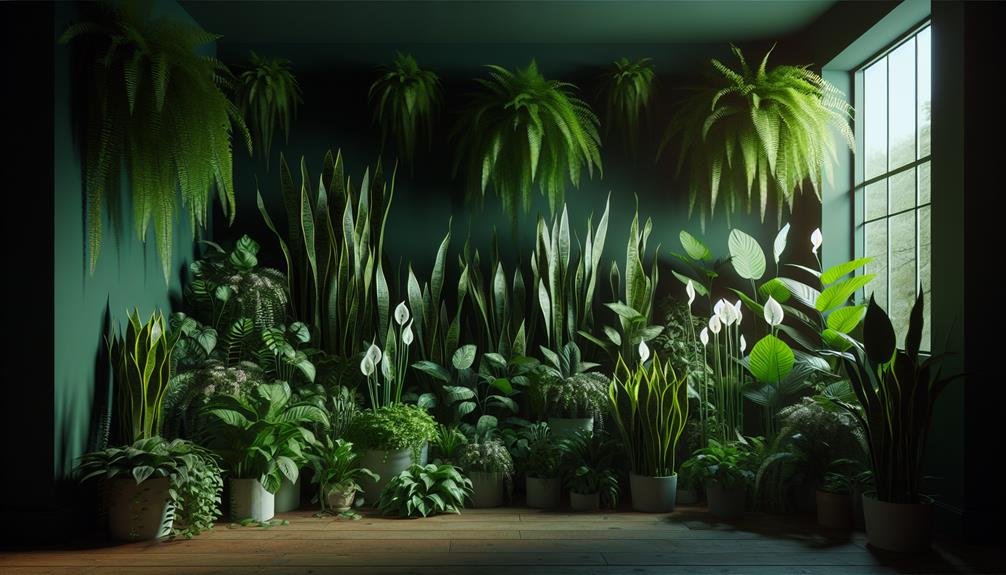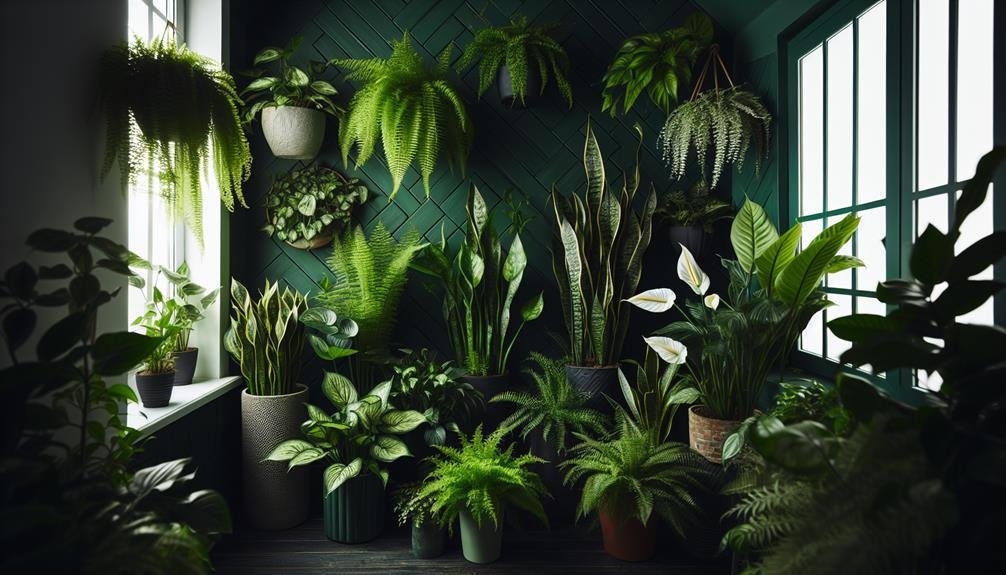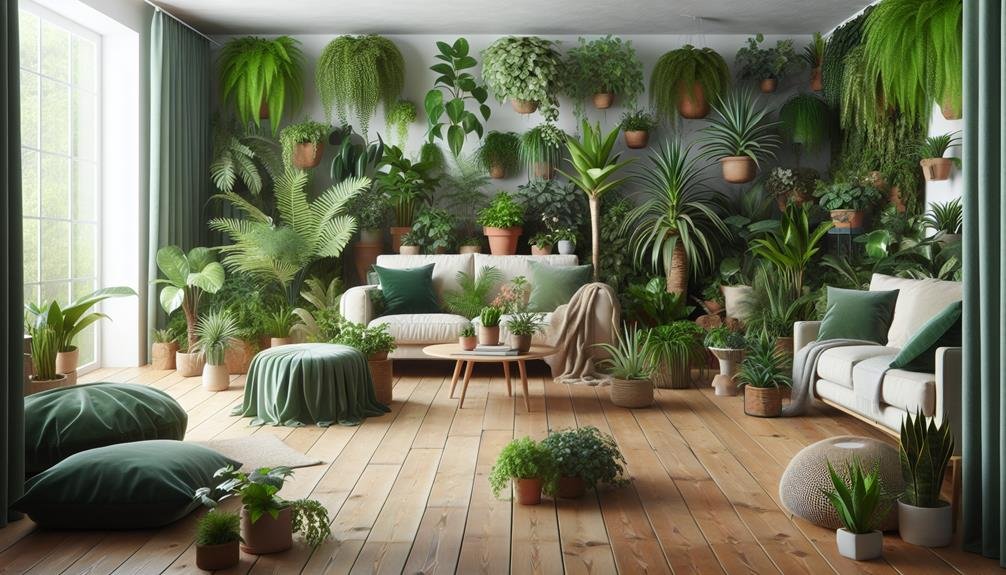
Have you ever considered the calming presence of a Peace Lily in your living space?
Imagine coming home to a serene environment where the gentle rustle of leaves soothes your mind.
You might be surprised to learn that certain houseplants not only add beauty to your home but also contribute to reducing noise levels.
Stay tuned to discover how these green companions can bring a peaceful ambiance to your surroundings and potentially enhance your overall well-being.
Peace Lily
If you're looking for a low-maintenance houseplant that can help reduce noise in your home, consider the Peace Lily. This elegant plant not only adds a touch of tranquility to your space but also serves as a natural air purifier. The Peace Lily, with its lush green leaves and charming white blooms, is a popular choice for those seeking a peaceful indoor environment.
One of the remarkable features of the Peace Lily is its ability to absorb sound, making it an excellent addition to any room where noise levels need to be minimized. Its broad leaves and dense foliage help to dampen high-pitched noises, creating a more serene atmosphere. Additionally, this plant is easy to care for, requiring only moderate watering and indirect sunlight.
Whether placed in your bedroom, living room, or office, the Peace Lily can work wonders in reducing background noise and promoting a sense of calm. With its aesthetic appeal and noise-reducing properties, this plant is a perfect companion for creating a peaceful indoor oasis.
Spider Plant
The next houseplant to consider for noise reduction in your home is the Spider Plant, known for its graceful arching leaves and air-purifying qualities. Spider Plants aren't only aesthetically pleasing but also serve as excellent natural air purifiers. These plants are easy to care for and thrive in various indoor conditions, making them a popular choice for households looking to reduce noise levels.
Spider Plants work by absorbing airborne pollutants through their leaves and roots, helping to improve air quality in your home. By reducing toxins and increasing oxygen levels, these plants contribute to a healthier indoor environment, which can have a positive impact on your overall well-being. Additionally, the lush foliage of Spider Plants can help to dampen noise by absorbing sound waves, making them a great addition to rooms where noise reduction is desired.
Consider adding a Spider Plant to your home to not only enjoy its visual appeal but also reap the benefits of its noise-reducing and air-purifying properties.

Snake Plant
Consider introducing the Snake Plant into your home to enhance its aesthetic appeal and contribute to a quieter indoor environment. Also known as Sansevieria or Mother-in-Law's Tongue, this plant is praised for its ability to thrive in low light conditions and neglect, making it an ideal choice for busy individuals. The Snake Plant isn't only visually striking with its tall, upright leaves that come in various shades of green and yellow but also acts as a natural air purifier by converting carbon dioxide into oxygen at night, improving air quality while you sleep.
In addition to its air-purifying qualities, the Snake Plant is particularly effective at reducing noise pollution due to its thick, sword-shaped leaves that can absorb sound waves. Placing a Snake Plant in your bedroom or office can help create a more serene environment by dampening noise levels and promoting a sense of tranquility. With minimal care requirements and noise-reducing benefits, the Snake Plant is a practical and stylish addition to any indoor space.
Rubber Plant
Introduce the Rubber Plant into your indoor space to continue enhancing its aesthetic appeal and noise-reducing benefits. The Rubber Plant, also known as Ficus elastica, is a popular choice for those looking to add a touch of greenery to their homes. With its broad, dark green leaves and upright growth habit, the Rubber Plant can complement various decor styles while helping to reduce noise levels in your living environment.
This hardy plant is easy to care for, requiring only moderate watering and indirect sunlight. Its thick foliage not only adds a lush look to your space but also serves as a natural sound absorber, helping to dampen noise and create a more peaceful atmosphere. Whether placed in a corner of the room or as a statement piece in a well-lit area, the Rubber Plant is sure to make a quiet yet significant impact on your home environment.
Consider adding this versatile plant to your collection for both its visual appeal and noise-reducing properties.
Parlor Palm
Enhance your indoor space with the low-maintenance Parlor Palm, a perfect addition for both aesthetics and noise reduction. The Parlor Palm, also known as Chamaedorea elegans, is a popular choice due to its ability to thrive in low light conditions and its air-purifying qualities. This elegant plant features delicate fronds that create a lush, tropical vibe in any room.
Not only does the Parlor Palm add a touch of green to your space, but it also helps reduce noise levels by absorbing sound. Place this plant in your living room, bedroom, or office to enjoy a quieter and more serene environment. Its compact size makes it ideal for small spaces or as part of a plant arrangement.
Caring for a Parlor Palm is easy; simply water it when the top inch of soil feels dry and keep it away from direct sunlight. With minimal effort, you can enjoy the beauty and tranquility that this charming houseplant brings to your home.
Boston Fern
Adding to your collection of quiet houseplants for noise reduction, the Boston Fern is a lovely and effective choice for improving the ambiance of your indoor space. With its lush, feathery fronds and air-purifying qualities, this plant not only adds a touch of green to your home but also helps in reducing background noise.
Boston Ferns are known for their ability to thrive in low light conditions, making them perfect for areas in your home that don't receive direct sunlight. Their vibrant green foliage can brighten up any room while also aiding in creating a tranquil environment. Additionally, these ferns are relatively easy to care for, requiring regular watering and occasional misting to maintain their moisture levels.
When it comes to reducing noise, Boston Ferns absorb sound waves through their leaves, helping to dampen any unwanted background noise in your living space. Placing a Boston Fern in a hanging basket or on a plant stand can further enhance its noise-reducing capabilities, making it a stylish and practical addition to your home decor.
ZZ Plant
The ZZ Plant, known for its low maintenance and air-purifying properties, is a popular choice for those seeking a quiet houseplant for noise reduction. This plant thrives in low light and doesn't require frequent watering, making it ideal for busy individuals or those new to plant care. Its glossy, dark green leaves add a touch of elegance to any room while effectively absorbing sound vibrations. Placing a ZZ Plant in your living space can help create a tranquil environment by reducing background noise and promoting a sense of calm.
In addition to its noise-reducing qualities, the ZZ Plant is also known for its ability to purify the air by removing toxins such as xylene, toluene, and benzene. This can lead to improved air quality and a healthier living environment. With minimal upkeep and maximum benefits, the ZZ Plant is a versatile and stylish option for enhancing the ambiance of your home while reducing unwanted noise.
Fiddle Leaf Fig
For a vibrant and eye-catching addition to your indoor space, consider introducing the Fiddle Leaf Fig plant, which offers both aesthetic appeal and potential noise-reducing benefits. The Fiddle Leaf Fig, with its large, glossy leaves, isn't only visually pleasing but also serves as a natural air purifier by removing common indoor toxins. This plant is relatively low maintenance and can thrive in bright, indirect light, making it an ideal choice for various rooms in your home.
In addition to its air-purifying qualities, the Fiddle Leaf Fig has the potential to contribute to noise reduction within your living environment. While not as effective as some other houseplants specifically designed for noise reduction, the Fiddle Leaf Fig can still help create a more serene atmosphere by absorbing and deflecting sound waves. Placing this plant strategically in areas where noise levels tend to be higher can aid in diminishing unwanted sounds, promoting a quieter and more peaceful ambiance in your home.
Areca Palm
Consider introducing a touch of tropical elegance to your indoor space with the vibrant Areca Palm plant. The Areca Palm, also known as the Butterfly Palm, is a popular choice for its lush fronds and air-purifying qualities. This plant not only adds a touch of greenery to your home but also serves as a natural humidifier, releasing moisture into the air. The Areca Palm thrives in bright, indirect light and requires regular watering to keep its soil consistently moist. Its tall, slender profile makes it a great addition to living rooms, bedrooms, or offices.
In addition to its aesthetic appeal, the Areca Palm is also an excellent choice for reducing noise levels in your home. The plant's dense foliage helps absorb sound waves, making it an ideal companion for creating a peaceful and quiet environment. Whether you place it in a corner or as a statement piece, the Areca Palm is sure to bring a sense of tranquility to your space.
Pothos
Introduce a touch of natural charm to your indoor space with the versatile Pothos plant. Pothos, also known as Devil's Ivy, is a popular choice for those looking to add some greenery to their homes while enjoying its air-purifying benefits. This low-maintenance plant thrives in various lighting conditions, making it perfect for any room in your house.
Pothos isn't only aesthetically pleasing but also serves as an excellent noise reducer. Its lush green leaves can help absorb high-frequency sounds, creating a more serene environment for you to relax in. Whether placed on a shelf, hanging in a basket, or cascading down a bookshelf, Pothos adds a touch of elegance and tranquility to your living space.
To care for your Pothos plant, make sure to place it in indirect sunlight and water it moderately, allowing the soil to dry out between waterings. With its ability to thrive in different environments and its noise-reducing qualities, Pothos is a fantastic addition to any home looking to create a peaceful atmosphere.
Frequently Asked Questions
Can These Houseplants Be Placed in Low Light Areas of the House?
Yes, these houseplants can thrive in low light areas of your home. While they may not grow as quickly or vibrantly as they would in brighter light, they can still survive and even help reduce noise pollution in your space.
Just be sure to occasionally rotate them to ensure even growth. With a little care, you can enjoy the benefits of these quiet houseplants even in low light conditions.
What Are Some Common Pests That May Affect These Plants and How Can They Be Prevented?
To prevent common pests that may affect your plants, keep an eye out for bugs like spider mites, aphids, and mealybugs.
Regularly inspect your plants for any signs of infestation, such as webbing or sticky residue.
If you spot pests, gently wipe down the leaves with a damp cloth or use insecticidal soap.
Remember to isolate any infected plant to prevent the pests from spreading to others.
Are Any of These Houseplants Toxic to Pets if Ingested?
If you're considering these houseplants for your home, it's essential to know if they're toxic to pets when eaten. Some plants can pose a risk to your furry friends if ingested. Always research each plant's toxicity level before bringing them home.
Keep your pets safe by placing these houseplants out of their reach and contact your vet immediately if you suspect your pet has ingested any part of a toxic plant.
Do These Plants Require Any Special Type of Soil or Fertilizer to Thrive?
To help your houseplants thrive, it's important to use the right soil and fertilizer. Different plants have different needs, so check each one's requirements.
Some may prefer well-draining soil, while others thrive in a more moisture-retentive mix. Fertilizer needs also vary; some plants may benefit from a balanced liquid fertilizer, while others prefer slow-release pellets.
Understanding these preferences can help your plants grow healthy and strong.
How Often Should These Houseplants Be Watered and What Is the Best Method for Watering Them?
When caring for these houseplants, water them regularly to keep the soil moist, not soggy. Check the top inch of soil weekly and water when it feels dry.
The best method is to water at the base of the plant until water seeps out the bottom. Avoid wetting the leaves to prevent mold and disease. Adjust watering frequency based on plant type, room temperature, and humidity levels.
Conclusion
Overall, incorporating these top 10 quiet houseplants into your home can help reduce noise levels and create a more peaceful environment.
With options like the Peace Lily, Spider Plant, and Snake Plant, you can enjoy the added benefit of cleaner air and a touch of greenery.
So why not bring some tranquility into your living space by adding one (or more!) of these noise-reducing houseplants today? Your ears and your mind will thank you.