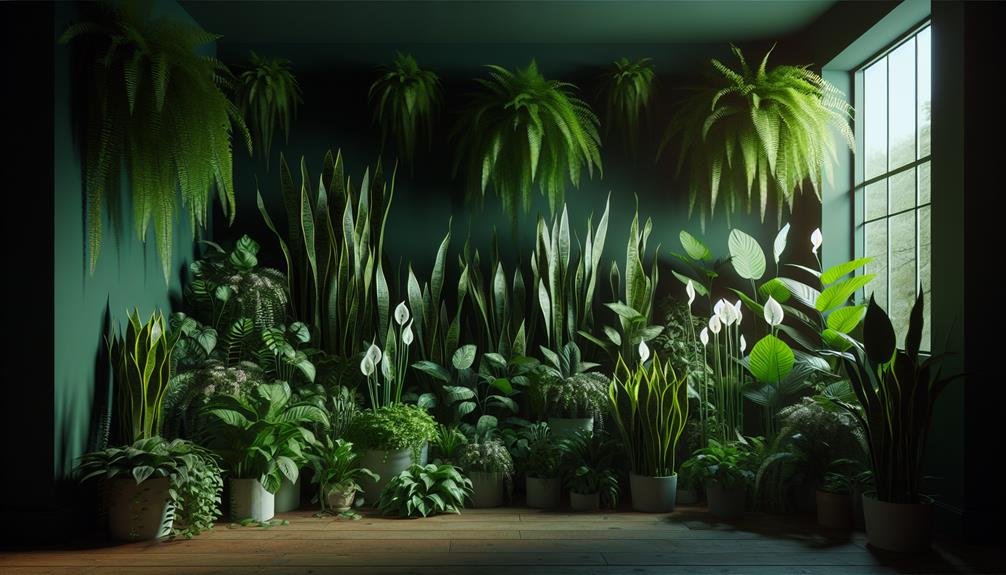
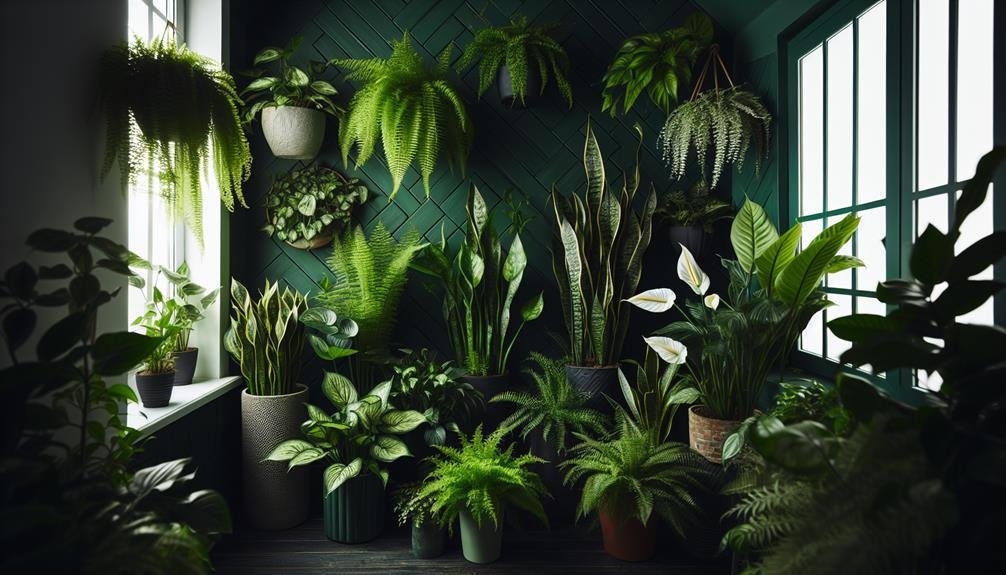
In a world where the cacophony of urban life surrounds you like a swarm of bees, houseplants have often been hailed as the serene oasis amidst the chaos.
But are they truly the panacea for noise pollution that they are made out to be? As you explore the intricacies of houseplants' impact on sound absorption, you may uncover surprising truths that challenge their purported effectiveness.
Stay tuned to discover the nuanced reality behind the green facade and unearth alternative strategies for creating tranquility in your living environment.
Houseplants' Limited Noise Absorption Capacity
Houseplants can only absorb a limited amount of noise, making them less effective in reducing overall noise pollution. While they do provide some level of noise reduction, their impact is relatively minimal compared to other sound-absorbing methods. The ability of houseplants to absorb sound primarily depends on their size, shape, and the density of their leaves. Larger plants with more foliage tend to be slightly more effective at absorbing noise compared to smaller plants with fewer leaves. However, even the most dense and large houseplants can only do so much in terms of reducing noise pollution.
The limited noise absorption capacity of houseplants is due to their natural characteristics and biological processes. Plants absorb sound waves through their leaves, stems, and branches, but this process isn't their primary function. Their main purpose is to photosynthesize, convert carbon dioxide into oxygen, and regulate humidity levels. While houseplants can create a more pleasant indoor environment and provide some benefits in terms of noise reduction, relying solely on them for significant noise pollution reduction wouldn't be practical.
Factors Affecting Houseplants' Noise Reduction
Considering the size, shape, and density of leaves, various factors play a role in determining the effectiveness of houseplants in reducing noise pollution. Larger leaves typically absorb higher frequencies of sound waves, while dense foliage can trap and dampen noise. Plants with rough and irregular leaves tend to scatter sound waves more effectively, contributing to noise reduction. Additionally, the surface area of leaves impacts their ability to absorb sound, with broader leaves generally offering better noise reduction capabilities.
Moreover, the placement of houseplants within a room can affect their noise reduction effectiveness. Placing plants near windows or walls can help in absorbing sound waves that enter through these openings. Furthermore, the distance between the plant and the noise source influences the plant's ability to mitigate sound. Closer proximity to the source of noise can enhance the plant's noise reduction capabilities by intercepting sound waves more effectively.
Alternatives to Houseplants for Noise Control
If you're looking for alternatives to houseplants for noise control, consider exploring sound-absorbing panels or acoustic foam. These options are specifically designed to reduce noise levels in indoor spaces, making them effective alternatives to traditional houseplants.
Sound-absorbing panels are usually made from materials like fabric-wrapped fiberglass or foam and can be mounted on walls or ceilings to absorb sound waves. They come in various shapes, sizes, and colors, allowing you to choose ones that fit your aesthetic preferences.
Acoustic foam is another great alternative that can help dampen sound and reduce echoes in a room. It's commonly used in recording studios and home theaters but can also be beneficial in reducing noise pollution in residential areas. Acoustic foam panels are lightweight, easy to install, and can effectively absorb mid to high-frequency sounds.

Both sound-absorbing panels and acoustic foam offer a practical solution for noise control without the maintenance required for houseplants. Consider incorporating these alternatives into your space for improved noise reduction.
Debunking Common Myths About Houseplants
When it comes to houseplants, there are common myths that need to be debunked to understand their true benefits. One prevalent myth is that houseplants alone can significantly reduce noise pollution. While plants can absorb some sound, they aren't powerful enough to block out loud noises entirely.
Another misconception is that all houseplants are equally effective at reducing noise. In reality, certain plants like the fiddle leaf fig or rubber plant may be more efficient due to their large leaves and dense foliage, while others may have minimal impact.
Some people believe that the more houseplants you have, the quieter your space will be. However, the number of plants alone doesn't guarantee a noticeable reduction in noise levels. It's essential to consider factors like the size of the room, the type of noise, and the placement of the plants to optimize their noise-reducing effects.
Lastly, there's a misconception that houseplants require minimal maintenance. While some plants are low-maintenance, most still need regular care and attention to thrive and potentially contribute to noise reduction in indoor spaces.
Practical Tips for Quieter Indoor Spaces
To create a quieter indoor environment, implement practical strategies that enhance noise reduction and promote a peaceful atmosphere. Start by adding soft materials like rugs, curtains, and upholstered furniture to absorb sound rather than reverberate it. Consider installing weather-stripping around doors and windows to seal any gaps that may be letting in external noises. Heavy curtains can help dampen sounds from outside, while bookshelves filled with books or decorative items can act as sound absorbers.
Additionally, rearrange furniture to create more sound barriers within the space, breaking up sound waves and reducing overall noise levels. If possible, invest in sound-absorbing panels or acoustic tiles to further enhance sound insulation.
Use white noise machines or calming music to mask unwanted sounds and create a more soothing atmosphere. Finally, encourage a culture of quietness in your home by setting boundaries for noise levels and promoting mindfulness about noise-making activities. By incorporating these practical tips, you can transform your indoor space into a tranquil retreat from the hustle and bustle of everyday life.
Frequently Asked Questions
Can Houseplants Completely Eliminate Noise Pollution in a Room?
Houseplants can help reduce noise pollution in a room by absorbing sound waves, but they may not completely eliminate it. While plants can provide some level of noise reduction, other factors like room layout and materials also play a role in sound absorption.
Are There Specific Types of Houseplants That Are More Effective at Reducing Noise Than Others?
When looking for houseplants to reduce noise, prioritize species like the snake plant, rubber plant, or peace lily. These plants have broad leaves and dense foliage that can absorb sound effectively.
Remember to place them strategically around the room for maximum impact. By choosing the right plants, you can create a more peaceful environment while adding a touch of greenery to your space.
How Do Noise-Cancelling Devices Compare to Houseplants in Reducing Indoor Noise Levels?
When comparing noise-cancelling devices to houseplants for reducing indoor noise levels, it's essential to understand the differences.
Noise-cancelling devices use technology to actively block out sound waves, providing a more targeted approach.
On the other hand, houseplants can passively absorb some noise but may not be as effective in environments with high noise levels.
Consider your specific noise reduction needs and preferences when choosing between these options.
Are There Any Potential Health Risks Associated With Using Houseplants for Noise Control?
When using houseplants for noise control, you might want to consider potential health risks. Some plants can cause allergies or attract pests, leading to health issues.
Ensure proper care to avoid mold growth, which can worsen respiratory problems. Keep an eye out for toxic plants that could be harmful if ingested by pets or children.
Can Soundproofing Materials Be Used in Conjunction With Houseplants for Better Noise Reduction Results?
Yes, soundproofing materials can indeed be used in conjunction with houseplants for improved noise reduction results.
By combining soundproofing materials like acoustic panels or curtains with strategically placed houseplants, you can create a more effective barrier against noise pollution in your space.
This dual approach can help you achieve better sound insulation and a more peaceful environment overall.
Conclusion
In conclusion, while houseplants may provide some level of noise reduction, they aren't the most effective solution for combating noise pollution in indoor spaces. Factors such as limited absorption capacity and the availability of alternative options make houseplants an overrated choice for noise control.
It's important to consider other methods, such as soundproofing materials or noise-canceling devices, to create a quieter and more peaceful environment in your home or office.