
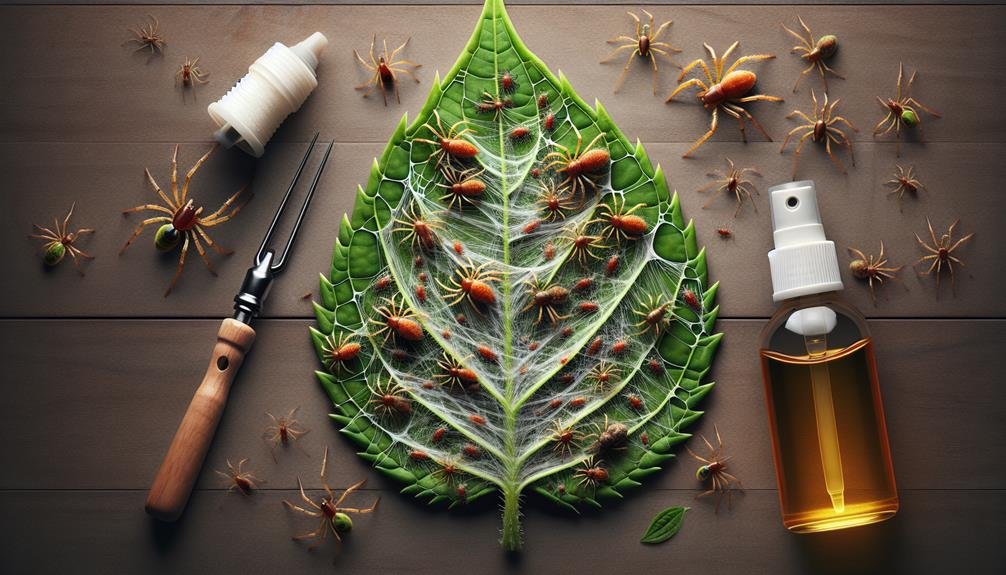
When it comes to dealing with spider mites, the saying goes, 'An ounce of prevention is worth a pound of cure.' Understanding the best methods to combat these pesky pests can save you time and frustration in the long run.
From introducing natural predators to utilizing specialized oils and soaps, there are various strategies at your disposal. By incorporating these proven techniques into your pest control routine, you can effectively manage spider mite infestations and protect your plants.
Natural Predators
To naturally control spider mites, introduce predatory insects into your garden. Ladybugs, lacewings, and predatory mites are effective warriors against these pesky pests. Ladybugs, with their voracious appetite for spider mites, can devour up to 50 mites a day. Lacewings, on the other hand, feast on mites in both their larval and adult stages. These beneficial insects not only help control spider mite populations but also maintain a balanced ecosystem in your garden.
Predatory mites are another great option for combating spider mites. These tiny predators are fierce hunters that seek out and consume mite eggs and adults. By releasing these beneficial insects strategically in your garden, you can prevent spider mite infestations before they spiral out of control. Remember to provide a conducive environment for these predators by minimizing the use of broad-spectrum pesticides, which can harm both harmful and beneficial insects.
Incorporating natural predators into your pest management strategy is a proactive and environmentally friendly approach to keeping spider mites at bay. By harnessing the power of nature, you can maintain a healthy garden ecosystem while effectively controlling spider mite populations.
Neem Oil Spray
Introducing a practical solution for combating spider mites, consider using neem oil spray as an effective method to protect your garden from these pests. Neem oil, derived from the seeds of the neem tree, contains compounds that disrupt the growth and reproduction of spider mites, ultimately leading to their decline. To use neem oil spray, dilute it according to the instructions on the product label and then apply it to the affected plants, ensuring thorough coverage, especially on the undersides of leaves where spider mites typically reside.
One of the advantages of neem oil is its ability to act as both a repellent and a pesticide, making it a versatile tool in your pest management arsenal. Additionally, neem oil is biodegradable and poses minimal risk to beneficial insects, animals, and humans when used as directed. Regularly applying neem oil spray every 7-14 days can help prevent spider mite infestations and maintain the health of your plants. Remember to always test the spray on a small part of the plant before full application to ensure compatibility and avoid any potential damage.
Horticultural Oils
Consider using horticultural oils as a natural and effective solution for controlling spider mite infestations in your garden. Horticultural oils work by suffocating spider mites and their eggs, disrupting their life cycle. These oils are derived from petroleum or plants and are safe to use on many types of plants. When applying horticultural oils, ensure thorough coverage of the plant, focusing on the undersides of leaves where spider mites often reside. It's best to apply horticultural oils in the early morning or late evening to prevent plant damage from the sun.
To use horticultural oils effectively, dilute them according to the manufacturer's instructions and avoid using them during high temperatures or when the plant is under stress. Regularly inspect your plants for spider mite activity, and if detected, promptly apply the horticultural oils for optimal results. Remember to reapply as necessary, especially after rainfall. By incorporating horticultural oils into your pest control routine, you can effectively manage and eliminate spider mite infestations in your garden while minimizing harm to beneficial insects.
Insecticidal Soap
When combating spider mites in your garden, another effective method to consider is utilizing insecticidal soap. Insecticidal soap works by suffocating spider mites on contact, making it a safe and environmentally friendly option for controlling these pests. To use insecticidal soap effectively, make sure to thoroughly cover the affected plants, including the undersides of leaves where spider mites tend to hide. It's important to apply the soap when the mites are in the active growth stage to maximize its effectiveness.

When applying insecticidal soap, ensure that you follow the instructions on the product label carefully. Typically, you'll need to dilute the soap with water before spraying it on your plants. Remember to reapply the soap every 7-10 days or as recommended, especially if you notice a resurgence of spider mites.
Insecticidal soap is a great tool to have in your arsenal against spider mites, especially when used in conjunction with other integrated pest management strategies. By incorporating insecticidal soap into your routine, you can effectively combat spider mites while minimizing the use of harsh chemicals in your garden.
Systemic Pesticides
Utilize systemic pesticides to target spider mites effectively and efficiently in your garden. Systemic pesticides are absorbed by plants and distributed throughout their tissues, making them an ideal solution for combating spider mites.
When spider mites feed on plants treated with systemic pesticides, they ingest the toxic chemicals and perish. This method is particularly advantageous as it provides long-lasting protection against spider mites, even reaching those hidden in hard-to-reach areas.
Additionally, systemic pesticides are convenient to apply, requiring less frequent reapplication compared to contact pesticides. Remember to follow the instructions carefully when using systemic pesticides to ensure the safety of your plants and beneficial insects.
While using systemic pesticides can be highly effective in controlling spider mites, it's essential to rotate between different pest control methods to prevent the development of resistance.
Frequently Asked Questions
Can Spider Mites Survive in Extreme Temperatures?
Yes, spider mites can survive in extreme temperatures. These tiny pests have a remarkable ability to adapt to various environmental conditions, including high and low temperatures.
They can thrive in hot, dry climates as well as in cooler, more humid environments. This resilience makes it challenging to control spider mites solely through temperature manipulation.
Other methods, like using natural predators or pesticides, may be more effective in managing spider mite infestations.
How Long Does It Take for Spider Mite Populations to Rebound After Treatment?
After treatment, spider mite populations can rebound quickly depending on various factors like environmental conditions and the effectiveness of your chosen method.
Keep a close eye on your plants and monitor for any signs of mites returning. Regularly inspecting and taking immediate action can help prevent a resurgence.
Are There Any Specific Plant Species That Are More Susceptible to Spider Mite Infestations?
Certain plant species are more susceptible to spider mite infestations. Factors like plant structure, leaf texture, and sap composition can make some plants more attractive to spider mites.
Understanding which plants are more prone to infestations can help you take preventive measures to protect your garden. Keep a close eye on these susceptible plants and be proactive in your pest management strategies to keep spider mites at bay.
Do Spider Mites Have Any Natural Predators That Are Harmful to Other Beneficial Insects in the Garden?
Spider mites do have natural predators that can be harmful to other beneficial insects in the garden. These predators include certain species of ladybugs and lacewings.
While they can help control spider mite populations, they may also inadvertently harm other beneficial insects.
It's important to carefully consider the use of these predators in your garden and monitor their impact on the overall ecosystem.
Can Spider Mites Develop Resistance to Commonly Used Control Methods Over Time?
Yes, spider mites can develop resistance to commonly used control methods over time. When exposed to the same treatment repeatedly, spider mites may adapt and become less affected by it.
This resistance can pose challenges when trying to manage infestations effectively. It's important to rotate different control strategies and products to prevent spider mites from building up resistance and maintain their population under control.
Conclusion
In conclusion, when dealing with spider mites, it's important to use a combination of methods to effectively eliminate them from your plants.
Utilizing natural predators, neem oil spray, horticultural oils, insecticidal soap, and systemic pesticides can help control and prevent infestations.
Remember to regularly inspect your plants for signs of spider mites and take action promptly to keep your garden healthy and thriving.



