
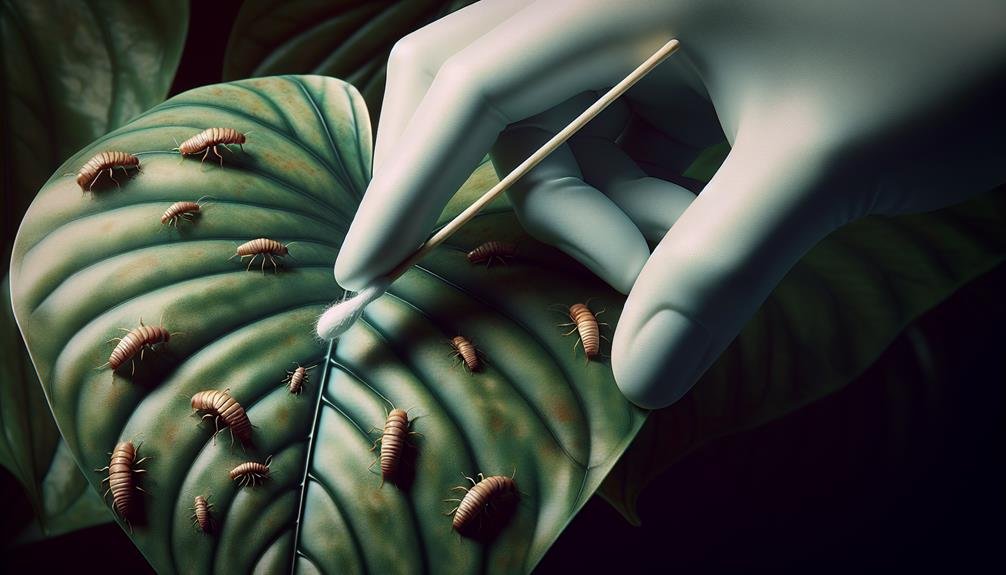
Did you know that mealybugs are not only unsightly but can also wreak havoc on your beloved plants by draining them of their vital nutrients?
To combat these pesky pests effectively, you might be surprised to learn about five proven methods that can help you eliminate them for good. From harnessing the power of natural predators to utilizing homemade remedies, each approach offers a unique way to tackle mealybug infestations.
So, if you're tired of battling these persistent insects, stay tuned to discover the most effective strategies to reclaim your garden's health and vitality.
Natural Predators
If you're dealing with mealybugs, consider introducing natural predators into your garden as a proactive solution. Ladybugs, lacewings, and parasitic wasps are excellent choices to help control mealybug infestations. Ladybugs, also known as lady beetles, are voracious eaters of mealybugs and can consume a large number of these pests in a short period. Lacewings, with their delicate appearance, are fierce predators of mealybugs in their larval stage. These insects feed on mealybug eggs and small nymphs, effectively reducing the population. Parasitic wasps are another beneficial predator to consider. They lay their eggs inside mealybugs, eventually killing them.
To attract these natural predators to your garden, you can plant a variety of flowering plants such as dill, fennel, and daisies. These plants provide nectar and pollen for adult predators, encouraging them to stay and feed on mealybugs. Avoid using broad-spectrum insecticides, as they can harm these beneficial insects along with the mealybugs. By introducing natural predators and creating a welcoming environment for them, you can effectively manage mealybug infestations in your garden.
Homemade Remedies
Consider complementing the use of natural predators with homemade remedies as an additional strategy in combating mealybug infestations. Homemade remedies can be effective and environmentally friendly options for controlling these pests.
One popular homemade solution is a mixture of water and dish soap. Simply combine a few drops of dish soap with water in a spray bottle and apply it directly to the mealybugs. The soap helps suffocate the insects, ultimately reducing their population.
Another effective homemade remedy is neem oil spray. Neem oil is a natural insecticide that disrupts the growth and development of mealybugs. Mix a small amount of neem oil with water and spray it onto the affected plants.
Additionally, a solution of isopropyl alcohol and water can be sprayed on mealybugs to kill them on contact. Remember to test these homemade remedies on a small part of the plant first to ensure they don't cause any damage before applying them more broadly.
Pruning Infested Areas
To effectively address mealybug infestations, start by pruning the infested areas of the plant using sharp garden shears. Inspect the plant carefully and identify the areas with visible mealybugs or their cottony egg masses. These pests tend to hide in crevices, along stems, and under leaves, so make sure to check thoroughly. Once you have located the infested areas, carefully trim off the affected parts of the plant. Remember to dispose of the pruned sections properly to prevent the spread of mealybugs to other plants.

Pruning is a crucial step in controlling mealybug populations as it helps remove a significant portion of the pests present on the plant. By cutting out the infested areas, you can directly reduce the number of mealybugs affecting your plant. After pruning, monitor the plant regularly to catch any new infestations early on. Proper pruning, combined with other control methods, can effectively help you get rid of mealybugs and restore the health of your plant.
Neem Oil Treatment
To effectively combat mealybugs, consider incorporating a regular application of neem oil treatment into your plant care routine. Neem oil is a natural and effective way to control these pesky pests. Mealybugs dislike neem oil's strong scent and taste, making it a powerful deterrent. To apply neem oil, dilute it according to the instructions on the packaging and spray it directly onto the affected areas of your plants. Make sure to cover the mealybugs thoroughly, as the oil needs to come into contact with them to be effective.
One of the benefits of neem oil is that it not only repels mealybugs but also disrupts their growth and reproduction cycles. This can help prevent future infestations and keep your plants healthy in the long run. Additionally, neem oil is safe to use around pets and beneficial insects when applied correctly. Remember to reapply the neem oil treatment as needed, especially after watering or rain, to maintain its effectiveness in controlling mealybugs.
Systemic Insecticides
For effective control of mealybugs, systemic insecticides penetrate the plant's tissues and target these pests from the inside out. Unlike contact insecticides that only affect the bugs they come into direct contact with, systemic insecticides are absorbed by the plant and distributed throughout its system. This means that when mealybugs feed on a plant treated with systemic insecticides, they ingest the toxic substance and perish.
Systemic insecticides provide a longer-lasting solution compared to some other treatments. They can remain active within the plant for weeks, continuously protecting it from new infestations of mealybugs. However, it's crucial to follow the manufacturer's instructions when using systemic insecticides to ensure proper application and prevent any harm to beneficial insects.
When choosing a systemic insecticide, opt for products specifically formulated to target sucking insects like mealybugs. Always consider the plant species being treated and any potential effects on non-target organisms. Remember to apply systemic insecticides with caution and only as a part of an integrated pest management plan to effectively manage mealybug infestations.
Frequently Asked Questions
How Can I Prevent Mealybugs From Infesting My Plants in the First Place?
To prevent mealybugs from infesting your plants in the first place, you should regularly inspect your plants for any signs of infestation. Keep your plants healthy by providing proper sunlight, water, and nutrients.
Avoid over-fertilizing as it can attract pests. Quarantine new plants before introducing them to your garden. Additionally, you can use natural predators like ladybugs to help control mealybug populations.
Are There Any Specific Plants That Are More Susceptible to Mealybug Infestations?
Certain plants are more prone to mealybug infestations. These include succulents, citrus trees, orchids, and houseplants like African violets. Mealybugs are attracted to plants with soft stems and leaves, as they provide easier access for feeding.
Regularly inspecting these susceptible plants can help you catch any infestations early on and take necessary steps to prevent them from spreading to other plants in your garden.
Can Mealybugs Cause Harm to Humans or Pets?
Mealybugs typically don't harm humans or pets directly. However, they can cause irritation if their waxy residue comes into contact with skin. It's essential to handle them carefully and avoid skin contact.
Keep an eye out for any signs of mealybug infestations on your plants to prevent potential irritation. Regularly inspect your plants to catch any issues early on and take necessary steps to control and eliminate these pests.
How Long Does It Take to See Results After Using Neem Oil Treatment?
After using neem oil treatment, you can typically start seeing results within a few days. The oil works by suffocating the mealybugs and disrupting their life cycle.
Keep an eye on the affected plants for any signs of improvement. Remember to reapply the neem oil as needed to ensure thorough coverage and continued effectiveness in getting rid of these pests.
Are There Any Long-Term Effects of Using Systemic Insecticides on Plants?
Using systemic insecticides on plants can have long-term effects on their health. These chemicals can impact the plant's growth, development, and overall well-being.
It's essential to carefully monitor the use of systemic insecticides to prevent any potential harm to your plants. Consider alternative methods or consult with a professional to ensure the long-term health of your plants.
Conclusion
So there you have it – five effective ways to get rid of mealybugs naturally and effectively.
By employing natural predators, homemade remedies, pruning infested areas, using neem oil treatment, or systemic insecticides, you can say goodbye to these pesky pests and protect your plants.
Remember to regularly monitor your plants for any signs of mealybug infestations and take action promptly to keep your garden healthy and thriving.



