
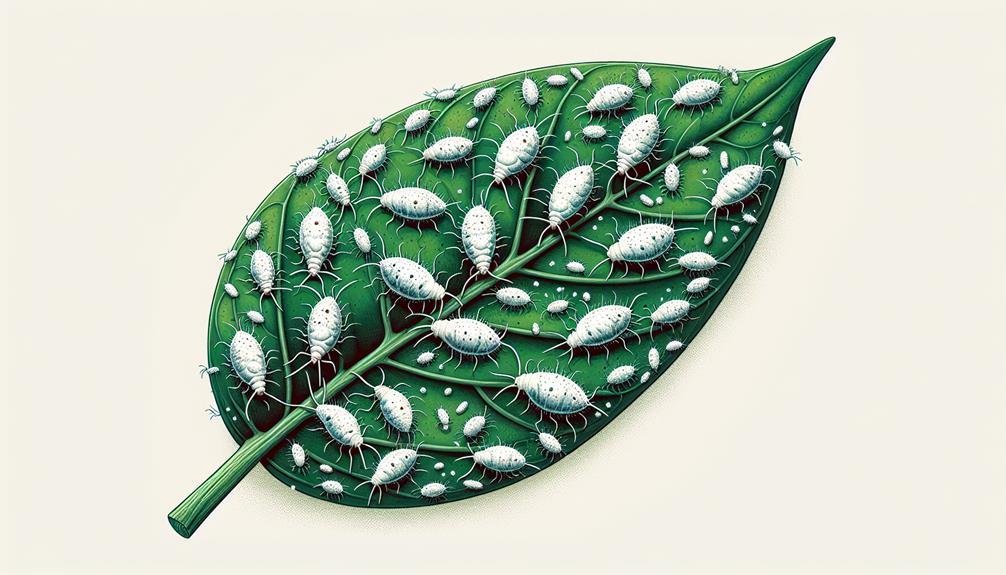
While mealybugs may seem like innocuous pests in your indoor garden, their presence can lead to unforeseen consequences that might put your beloved plants at risk. Understanding the true impact of these small invaders is crucial for the health and longevity of your indoor greenery.
Stay tuned to uncover the hidden dangers that mealybugs pose to your plant haven.
The Threat of Mealybugs
Have you ever wondered how mealybugs pose a threat to your indoor plants?
These tiny pests may seem harmless at first glance, but they can wreak havoc on your beloved greenery if left unchecked. Mealybugs feed on plant sap by piercing the leaves and stems with their needle-like mouthparts. This feeding weakens the plant, causing stunted growth and yellowing of leaves. Additionally, mealybugs excrete a sticky substance called honeydew, which can attract ants and promote the growth of black sooty mold, further harming your plant.
One of the biggest dangers of a mealybug infestation is their ability to reproduce rapidly. A single female mealybug can lay hundreds of eggs, leading to a population explosion in a short amount of time. This rapid reproduction can quickly overwhelm your plant and make it challenging to control the infestation.
Furthermore, mealybugs are adept at hiding in plant crevices and folds, making them difficult to spot and eliminate. Their presence can go unnoticed until the damage is already severe. Therefore, it's crucial to be proactive in preventing and addressing mealybug infestations to protect the health of your indoor plants.
Signs of Mealybug Infestation
Mealybug infestations can be identified by specific signs on your indoor plants, alerting you to take action promptly. One common sign is the presence of white cottony clusters on the stems, leaves, or leaf joints of your plants. These clusters are the mealybugs themselves, and they can also hide under the leaves or in the soil.
Another indicator is the sticky residue, known as honeydew, left behind by mealybugs. This sticky substance can attract ants and promote the growth of sooty mold on your plants.
You may notice stunted or deformed growth in your plants, which can be a result of mealybug feeding. Yellowing or wilting leaves, as well as leaf drop, are also signs of a mealybug infestation. Keep an eye out for a weakened plant overall, as mealybugs can drain the plant of essential nutrients. Regularly inspecting your indoor plants for these signs can help you catch a mealybug infestation early and prevent further damage.
Damage Caused by Mealybugs
Damage caused by mealybugs includes weakening plants by draining essential nutrients and promoting the growth of sooty mold through their sticky residue. When mealybugs feed on the sap of your indoor plants, they extract vital nutrients, leading to stunted growth, yellowing leaves, and overall plant weakness. This nutrient depletion can hinder the plant's ability to thrive and make it more susceptible to other stressors like diseases and environmental changes.

Moreover, the sugary excrement left behind by mealybugs creates a perfect environment for the development of sooty mold, a black fungus that covers plant surfaces, obstructing sunlight absorption essential for photosynthesis. As the mold spreads, it further impairs the plant's health by limiting its ability to produce energy. In severe cases, the presence of mealybugs and the subsequent damage they cause can even result in the death of the affected indoor plants if left untreated.
Preventing Mealybug Infestations
To prevent mealybug infestations on your indoor plants, implementing proactive control measures is crucial. Start by regularly inspecting your plants for any signs of mealybugs, such as white cottony clusters on stems and leaves. Quarantine new plants before introducing them to your indoor garden, as they can sometimes come already infested. Keep your plants healthy and stress-free by providing proper lighting, watering, and nutrition, as stressed plants are more susceptible to pests like mealybugs.
Maintain good airflow around your plants by spacing them appropriately and avoiding overcrowding. Mealybugs thrive in humid conditions, so ensure proper ventilation to reduce excess moisture. Consider using natural predators like ladybugs or lacewings to help control mealybug populations. If you prefer a non-chemical approach, try wiping down your plants with a cloth soaked in soapy water to physically remove the bugs.
Regularly clean your plant containers, tools, and surrounding areas to prevent mealybugs from spreading. Finally, if you do notice an infestation, act promptly to prevent it from getting out of control.
Treating Mealybug Infestations
Consider implementing targeted treatments to effectively manage any mealybug infestations that you may encounter on your indoor plants. When dealing with mealybugs, it's crucial to act promptly to prevent them from causing significant damage to your beloved plants.
One of the most common and efficient methods of treating mealybug infestations is using a mixture of water and mild dish soap. Simply spray this solution on the affected areas of your plants to suffocate and kill the mealybugs. Another effective treatment is neem oil, a natural insecticide that disrupts the mealybugs' life cycle and prevents them from reproducing.
For more severe infestations, you may need to resort to commercial insecticidal sprays specifically designed to target mealybugs. Be sure to carefully follow the instructions provided on the product label to ensure the safety of your plants and yourself. Additionally, consider physically removing the mealybugs with a cotton swab dipped in rubbing alcohol for localized infestations.
Remember to regularly monitor your plants after treatment to catch any potential reinfestations early and maintain a healthy indoor garden.
Frequently Asked Questions
Can Mealybugs Spread to Other Plants in My Home?
Mealybugs can indeed spread to other plants in your home. These pesky pests are known to move from one plant to another, quickly infesting your indoor greenery.
Be vigilant in monitoring your plants for any signs of mealybugs and take swift action to prevent their spread. Regularly inspecting and treating affected plants can help contain the infestation and protect the rest of your indoor garden.
Are There Any Natural Predators That Can Help Control Mealybug Populations?
When looking to control mealybug populations, consider introducing natural predators like ladybugs or lacewings. These insects can help keep the mealybug numbers in check by feeding on them.
By adding beneficial predators to your indoor garden, you create a more balanced ecosystem that can naturally control pest populations.
Keep an eye on these allies to ensure they're effectively managing the mealybug presence and supporting the health of your plants.
How Long Do Mealybugs Typically Live on Indoor Plants?
On indoor plants, mealybugs can live for several weeks to months, depending on conditions. They reproduce quickly, causing damage to your plants. Regular monitoring and prompt action are crucial to prevent infestations.
Remove them manually, use insecticidal soap, or introduce natural predators like ladybugs. By addressing mealybugs promptly, you can protect your indoor plants and keep them healthy.
Can Mealybugs Cause Harm to Pets or Humans?
Mealybugs can harm pets and humans. These pests secrete a sticky substance called honeydew, which attracts mold and can cause allergic reactions in some individuals.
If ingested by pets, mealybugs can also lead to gastrointestinal issues.
It's important to keep an eye out for these bugs and take steps to eliminate them to protect both your indoor plants and the health of your household members and pets.
Are There Any Home Remedies That Are Effective in Getting Rid of Mealybugs?
To get rid of mealybugs at home, try using a mix of water and dish soap to spray on the affected plants.
You can also wipe them off with rubbing alcohol.
Making sure to regularly inspect your plants can help catch infestations early.
Remember to isolate any heavily infested plants to prevent spreading.
These remedies can be effective in controlling mealybug populations and keeping your indoor plants healthy.
Conclusion
Overall, mealybugs may seem harmless at first, but they can actually pose a threat to your indoor plants. It's important to be vigilant and keep an eye out for signs of infestation, such as white, cotton-like clusters on your plants.
By taking preventive measures and treating any infestations promptly, you can help protect your plants and keep them healthy and thriving. Don't underestimate the potential damage that mealybugs can cause to your indoor greenery.



