Imagine stepping back in time to discover how ancient civilizations tackled the pesky problem of aphids on their indoor plants.
You'll be surprised to learn how ingenious and effective some of these age-old solutions still are today.
From herbal concoctions that deter aphids to clever traps that capture these tiny invaders, the wisdom of the past might just hold the key to safeguarding your beloved plants.
Herbal Infusions for Aphid Control
To effectively combat aphids on your indoor plants, consider using herbal infusions as a natural solution. Aphids can wreak havoc on your plants, but with the right herbal infusions, you can keep these pests at bay.
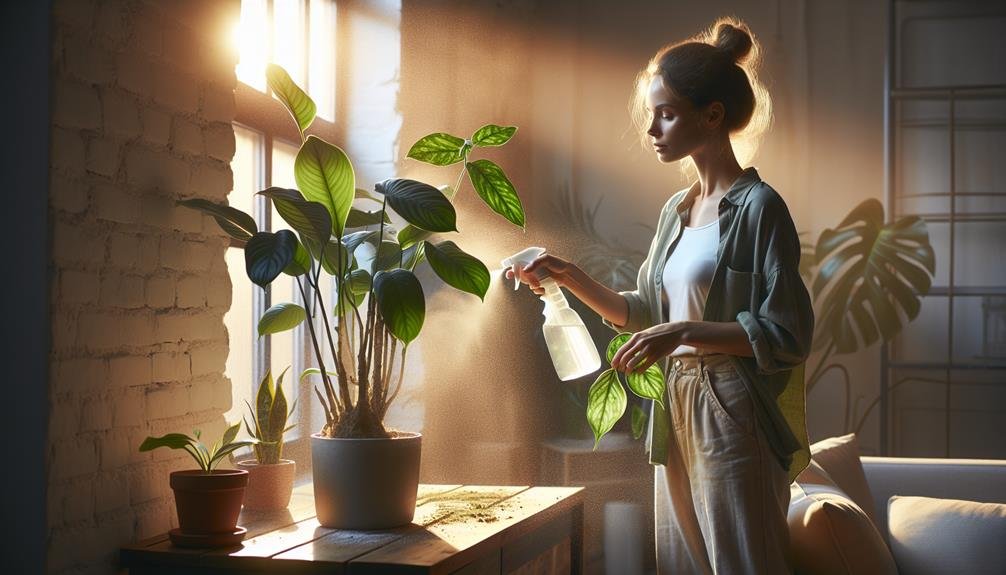
One popular infusion is a mixture of garlic and water. Simply crush a few garlic cloves and let them steep in water overnight. Then, strain the mixture and pour it into a spray bottle. Spritz your plants with this solution to deter aphids effectively.
Another effective herbal infusion is neem oil. Neem oil has natural insecticidal properties that can help control aphid populations on your indoor plants. Mix a few drops of neem oil with water and a small amount of mild liquid soap to create a potent aphid-repelling spray. Be sure to test the spray on a small part of your plant before applying it more broadly to ensure that it won't harm your greenery.
DIY Aphid-Repelling Sprays
Consider creating your own DIY aphid-repelling sprays to keep these pests away from your indoor plants. Making your spray is simple and cost-effective. One popular recipe involves mixing 1 quart of water with 1 teaspoon of dish soap and a few drops of neem oil. Shake well and spray this solution on your plants, focusing on the undersides of leaves where aphids tend to hide. The soap helps suffocate the aphids, while neem oil acts as a natural insect repellent.
Another effective spray can be made by combining 2 cups of water with 2 teaspoons of crushed garlic and a teaspoon of cayenne pepper. Let this mixture sit overnight, then strain it and pour into a spray bottle. The strong odor of garlic and the spiciness of cayenne pepper deter aphids from infesting your plants.
Regularly applying these DIY sprays can help keep aphids at bay and protect your indoor plants from damage.
Beneficial Insects as Natural Predators
Using beneficial insects as natural predators is an effective and eco-friendly way to control aphid infestations on indoor plants. Ladybugs, lacewings, and predatory mites are some of the beneficial insects that can help keep aphids in check. Ladybugs, for example, are voracious eaters and can consume a large number of aphids in a short period. Lacewings, on the other hand, not only feed on aphids but also their eggs.

Introducing these beneficial insects to your indoor garden can help maintain a natural balance and reduce the need for chemical interventions. You can purchase these insects from garden centers or online suppliers. Once released, they'll seek out and feed on aphids, preventing them from causing further damage to your plants.
It's important to provide a welcoming environment for these beneficial insects by avoiding the use of broad-spectrum insecticides that could harm them. By incorporating natural predators into your indoor plant care routine, you can effectively manage aphid infestations while promoting a healthier and more sustainable gardening practice.
Plant Companion Pairings for Aphid Prevention
Plant companion pairings can further enhance your efforts in preventing aphid infestations on indoor plants. By strategically planting certain companions, you can create a natural barrier against aphids and other pests.
For instance, pairing chives with your indoor plants can help deter aphids due to their strong scent. The pungent odor of chives repels aphids, keeping them away from your precious plants.
Another effective companion pairing is marigolds, which not only add a pop of color to your indoor garden but also repel aphids with their strong fragrance.
Additionally, planting mint alongside your indoor plants can act as a natural repellent for aphids. The aromatic properties of mint make it unappealing to aphids, helping to safeguard your plants from infestations.
Considering these plant companion pairings can be a simple yet effective way to boost your aphid prevention measures and keep your indoor plants healthy and thriving.
Ancient Traps to Catch Aphids
To effectively combat aphids on your indoor plants, explore ancient traps that can help you catch these pesky pests. One traditional method is the use of yellow sticky traps. These traps are coated with a sticky substance that attracts aphids, causing them to get stuck when they land on the surface. You can hang these traps near your plants or place them on the soil to catch aphids in different stages of their life cycle.
Another ancient trap you can employ is a simple solution of soapy water. Mix a few drops of dish soap with water in a spray bottle and mist it directly onto the aphids. The soapy water coats the aphids, suffocating them and causing them to die off. This method is effective in reducing aphid populations on your indoor plants.
Furthermore, you can create physical barriers using materials like diatomaceous earth or fine mesh netting to block aphids from reaching your plants. These barriers prevent aphids from infesting your plants and help in controlling their numbers. By incorporating these ancient traps into your pest control routine, you can effectively manage aphids on your indoor plants.
Frequently Asked Questions
Can Aphids Cause Harm to Indoor Plants Other Than Feeding on Their Sap?
Yes, aphids can cause harm to indoor plants beyond feeding on their sap. These pests can weaken the plant by depleting its nutrients and spreading diseases.
Additionally, their presence can attract other harmful insects. Regular inspection and prompt action are essential to prevent significant damage to your indoor plants.
Be vigilant in monitoring for aphids and take swift measures to protect your plants from these pests.
Are There Any Specific Types of Plants That Are More Prone to Aphid Infestations Indoors?
Indoors, certain plants like roses, African violets, and citrus trees are more prone to aphid infestations due to their tender leaves and growth habits.
These plants provide ideal conditions for aphids to thrive. Regularly inspecting these plants can help you catch aphid issues early and take necessary steps to prevent infestations.
How Long Does It Typically Take for Herbal Infusions to Show Effectiveness in Controlling Aphids on Indoor Plants?
To control aphids on indoor plants with herbal infusions, it usually takes a few days to start seeing effectiveness. The process involves regularly applying the solution to the affected areas.
Keep a close eye on the plants to monitor progress and adjust the frequency of application as needed. With patience and consistency, you should notice a reduction in aphid presence over time.
Are There Any Potential Risks or Side Effects Associated With Using DIY Aphid-Repelling Sprays on Indoor Plants?
Using DIY aphid-repelling sprays on indoor plants may pose some risks. While natural ingredients are generally safe, certain plants or individuals might be sensitive to specific components. Always test a small area first and monitor for any adverse reactions.
Additionally, over-spraying could harm beneficial insects. Follow recipes carefully and avoid saturating your plants.
When in doubt, consult with a gardening expert for guidance on safe and effective pest control methods.
What Are Some Alternative Methods for Attracting Beneficial Insects to Indoor Plants as Natural Predators for Aphids?
To attract beneficial insects for natural aphid control, try planting companion plants like dill, fennel, or yarrow near your indoor plants. These plants can lure ladybugs, lacewings, and other helpful insects that feed on aphids.
Additionally, you can create insect hotels or use store-bought beneficial insect releases to introduce these predators to your indoor garden.
Conclusion
Overall, there are many ancient solutions for controlling aphids on indoor plants. From herbal infusions to DIY sprays, beneficial insects to plant companion pairings, and even ancient traps, there are plenty of natural ways to keep these pests at bay.
By incorporating these methods into your plant care routine, you can effectively manage aphids without the need for harsh chemicals.
Embrace these ancient techniques and watch your indoor plants thrive!