Have you ever wondered why whiteflies seem to be particularly attracted to indoor foliage plants? The answer might surprise you. Understanding the root cause of their infestations is crucial for effective management.
By implementing expert tips and strategies, you can not only control whiteflies but also ensure the health and vitality of your indoor plants. Stay tuned to discover practical approaches and solutions to keep these pesky pests at bay, safeguarding your green oasis.
Identifying Whitefly Infestations
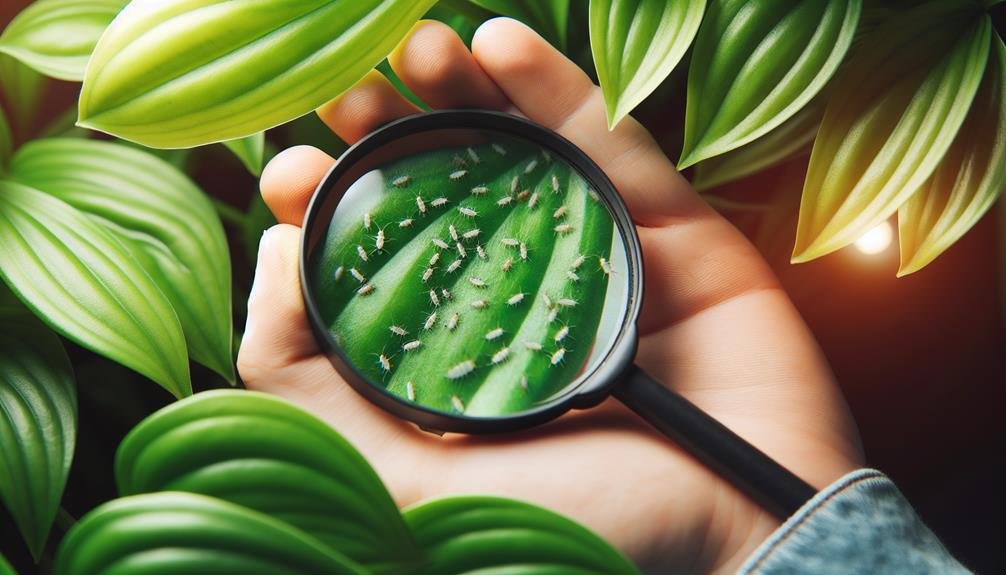
When inspecting your indoor foliage plants, look for tiny white insects fluttering around the leaves to identify whitefly infestations. These pests are about 1/16 of an inch long and have a moth-like appearance. Whiteflies can often be found on the undersides of leaves, where they lay their eggs. As the nymphs hatch, they attach themselves to the plant and start feeding on its sap. This feeding weakens the plant, causing leaves to yellow and eventually drop off.
To confirm the presence of whiteflies, gently shake the plant. If you notice small insects flying around, especially in a cloud-like formation, it's likely a whitefly infestation. Additionally, inspect the leaves for sticky honeydew residue, which is a sign of whitefly activity. Another method to detect whiteflies is by using yellow sticky traps placed near the plants. These traps attract adult whiteflies, helping you monitor the infestation level. Identifying whiteflies early is crucial for effective management and preventing further damage to your indoor plants.
Prevention Measures for Whiteflies
To prevent whiteflies from infesting your indoor foliage plants, implement proactive strategies that target their breeding and feeding habits. Start by regularly inspecting your plants for any signs of whitefly presence, such as tiny white insects fluttering around the leaves or sticky honeydew residue. Quarantine any new plants before introducing them to your indoor garden to prevent introducing whiteflies. Additionally, maintain proper plant hygiene by regularly removing any dead or yellowing leaves, as these provide ideal breeding grounds for whiteflies.
Consider using yellow sticky traps strategically placed near your plants to catch adult whiteflies and reduce their numbers. Ensure your indoor plants receive adequate airflow and sunlight, as whiteflies thrive in humid and shaded environments. Finally, avoid over-fertilizing your plants, as this can stimulate whitefly infestations. By following these prevention measures consistently, you can effectively protect your indoor foliage plants from whitefly attacks.
Natural Remedies to Control Whiteflies
Consider incorporating neem oil or insecticidal soap as natural remedies to combat whiteflies on your indoor foliage plants. Neem oil, derived from the seeds of the neem tree, acts as a potent insecticide and repellent against whiteflies. It disrupts the growth and development of whitefly larvae, reducing their population over time. To apply neem oil, dilute it according to the manufacturer's instructions and spray it on the foliage, ensuring thorough coverage, especially on the underside of leaves where whiteflies tend to hide.
Alternatively, insecticidal soap works by suffocating whiteflies on contact. It's a safer option for indoor plants and can be effective in managing light to moderate whitefly infestations. When using insecticidal soap, make sure to cover all parts of the plant where whiteflies are present, as this contact spray needs to directly hit the pests to be effective.
Remember to reapply these natural remedies regularly, as they may need multiple applications to control the whitefly population effectively.
Chemical Treatment Options
Explore chemical treatment options as an alternative approach to managing whiteflies on your indoor foliage plants. When natural remedies prove ineffective, chemicals can provide a more potent solution.

Insecticidal soaps are a common choice, as they effectively target whiteflies while being less harmful to beneficial insects. Neonicotinoids are another option, but they should be used cautiously due to their potential negative impact on bees.
Systemic insecticides are absorbed by the plant, making them a long-lasting solution against whiteflies. However, be mindful of the potential harm they may cause to other organisms.
Pyrethroids are synthetic chemicals that offer quick knockdown of whiteflies but should be used sparingly to prevent resistance development. Before applying any chemical treatment, carefully read and follow the instructions on the label to ensure safety and effectiveness.
Rotate between different chemical treatments to prevent whiteflies from becoming resistant. When using chemicals, always prioritize the health and safety of both your plants and the environment.
Maintaining Whitefly-Free Indoor Plants
Implementing regular monitoring and preventive measures is key to maintaining whitefly-free indoor plants. Start by regularly inspecting the undersides of leaves for any signs of whiteflies, such as tiny white insects or sticky honeydew residue. If you spot any whiteflies, consider using a handheld vacuum to remove them or wiping the leaves with a damp cloth. Additionally, ensure good air circulation around your plants by placing them in well-ventilated areas and avoiding overcrowding. Pruning any heavily infested leaves can also help prevent the spread of whiteflies to other parts of the plant.
To further safeguard your indoor plants, consider introducing natural predators like ladybugs or lacewings that feed on whiteflies. These beneficial insects can help keep whitefly populations in check without the need for chemical pesticides. Furthermore, regularly cleaning your plants' surroundings and removing any debris or fallen leaves can eliminate potential whitefly breeding grounds.
Frequently Asked Questions
Can Whiteflies Infest Other Household Plants, or Are They Specific to Indoor Foliage Plants?
Whiteflies can infest various household plants, not just indoor foliage plants. These pests can be a nuisance for your entire plant collection, spreading quickly if not controlled.
It's essential to monitor all your plants for signs of whiteflies and take prompt action to prevent their infestation. Regular inspection and proper care can help you keep these troublesome insects at bay and maintain the health of your indoor greenery.
Are There Any Specific Types of Indoor Plants That Are More Susceptible to Whitefly Infestations?
Certain indoor plants are indeed more prone to whitefly infestations. Factors like moisture levels, temperature, and plant species can make some plants more attractive to whiteflies.
Plants like poinsettias, hibiscus, and fuchsias are commonly targeted by these pests.
Keeping a close eye on these vulnerable plants and implementing preventive measures can help you tackle whitefly infestations effectively.
How Can Whiteflies Affect the Health of Indoor Plants Beyond Just Causing Physical Damage to the Leaves?
Whiteflies can wreak havoc on your indoor plants by sucking out vital plant juices, causing wilting, yellowing, and stunted growth. These pesky insects can also spread diseases like mold and viruses, further compromising your plant's health.
In severe cases, whitefly infestations can lead to plant death. To keep your indoor plants thriving, it's crucial to stay vigilant and take proactive measures to prevent and control whitefly populations.
Are There Any Specific Environmental Factors That Can Attract Whiteflies to Indoor Plants?
To attract whiteflies to indoor plants, factors like warmth, humidity, and lack of air circulation are key. These pests thrive in cozy environments where they can feed on plant sap and reproduce rapidly.
Ensuring proper ventilation, monitoring humidity levels, and avoiding overcrowding of plants can help deter whiteflies from infesting your indoor foliage. Taking these steps will create an environment that's less inviting to these pesky insects.
Can Whiteflies Be Harmful to Pets or Humans if They Come Into Contact With Infested Plants?
Whiteflies can be harmful to pets or humans if they come into contact with infested plants. These insects can cause allergic reactions in some individuals when their skin comes into contact with the sticky residue left by whiteflies.
Additionally, whiteflies can transmit plant viruses, which may affect the health of your indoor foliage plants. It's important to take precautions and address whitefly infestations promptly to minimize any potential risks to you and your pets.
Conclusion
Overall, managing whiteflies on indoor foliage plants requires vigilance and a combination of prevention, natural remedies, and, if necessary, chemical treatments.
By regularly inspecting plants for signs of infestation, implementing preventive measures, and using natural remedies like neem oil or insecticidal soap, you can effectively control whiteflies.
If the infestation persists, consider using chemical treatments as a last resort.
With proper care and attention, you can keep your indoor plants whitefly-free and thriving.