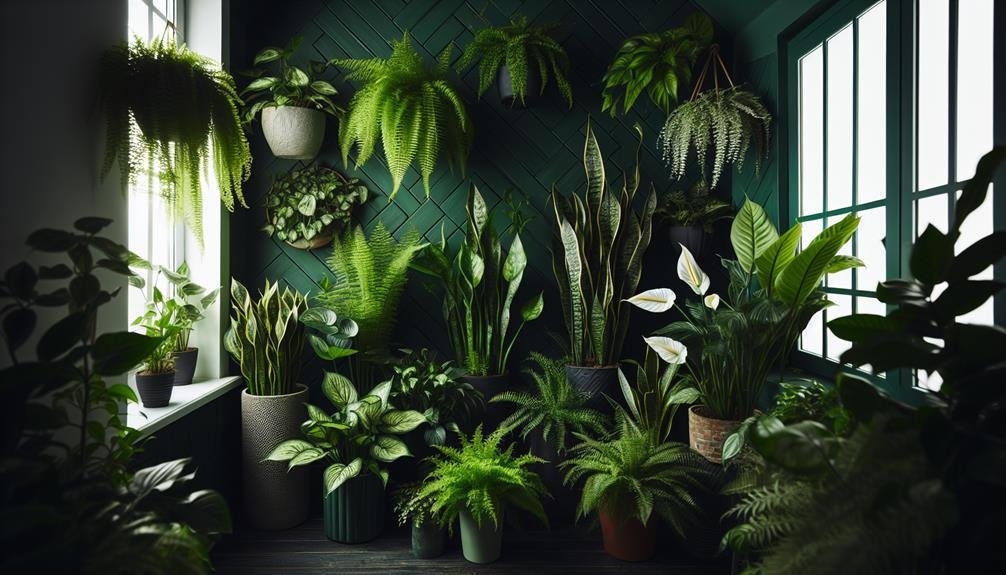
When it comes to indoor plants, the tranquility they bring is unparalleled.
However, imagine this serenity disrupted by unwelcome guests – caterpillars. These voracious eaters can quickly turn your lush haven into a battleground.
But fear not, there are strategic methods to combat these invaders effectively. From early detection techniques to the arsenal of preventive measures and control options at your disposal, you can safeguard your indoor oasis from these leaf-munching foes.
Stay tuned to discover the secrets to nurturing your plants in peace.
Identifying Caterpillar Infestations
To identify caterpillar infestations on your indoor plants, carefully inspect the leaves and stems for any signs of chewed or damaged areas. Look for irregular patterns of holes in the leaves or missing sections. Caterpillars often leave behind their droppings, which resemble small black or green pellets, near the affected areas. Additionally, you may notice silky webs or threads on the plant, indicating the presence of certain caterpillar species.
When examining your plants, pay close attention to the undersides of the leaves, as caterpillars tend to hide there during the day and feed at night. Check along the veins of the leaves and where they attach to the stems, as these are common feeding spots for caterpillars. If you spot any caterpillars during your inspection, take note of their color, size, and any distinguishing features to help you identify the species and choose the appropriate treatment method.
Implementing Preventive Measures
To effectively combat caterpillar infestations on your indoor plants, consider implementing preventive measures to safeguard against future outbreaks. Start by regularly inspecting your plants for any signs of caterpillars or eggs. Look for chewed leaves, droppings, or silk webbing as these are common indicators of caterpillar presence. Additionally, keep your indoor space clean and free of debris where caterpillars could hide or lay eggs.
Another preventive measure is to avoid over-fertilizing your plants, as this can attract caterpillars looking for lush vegetation to feed on. Instead, opt for a balanced fertilization schedule to promote plant health without overstimulating growth. Furthermore, consider using natural predators like ladybugs or lacewings to help control caterpillar populations in your indoor garden.
Lastly, quarantine any new plants before introducing them to your indoor garden to prevent bringing in caterpillars unknowingly. By staying vigilant and implementing these preventive measures, you can protect your indoor plants from caterpillar infestations and ensure they thrive in a pest-free environment.
Natural Control Methods
Consider incorporating beneficial insects into your indoor plant care routine as a natural way to control caterpillar infestations. Ladybugs, lacewings, and parasitic wasps are effective predators that can help keep caterpillar populations in check. Ladybugs feed on caterpillars and their eggs, while lacewings consume caterpillar eggs and young larvae. Parasitic wasps lay eggs inside caterpillars, eventually killing them. Introducing these beneficial insects into your indoor garden can create a balanced ecosystem that naturally regulates caterpillar populations without the need for harmful chemicals.

Another natural method to control caterpillars is by using physical barriers. Placing a fine mesh or netting over your plants can prevent adult moths from laying eggs on them. Inspecting your plants regularly for signs of caterpillars and removing them by hand can also be an effective way to manage infestations naturally.
Chemical Control Options
When managing caterpillar infestations on indoor plants, utilizing chemical control options can provide a more targeted approach to eliminating these pests. Insecticidal soaps and botanical insecticides containing ingredients like neem oil are effective against caterpillars while being less harmful to beneficial insects. These products work by suffocating or disrupting the pests' feeding habits.
For severe infestations, you may consider using synthetic insecticides like pyrethroids. These chemicals are potent and can quickly eradicate caterpillars, but they should be used with caution due to their potential harm to other organisms and the environment. Always read and follow the instructions on the label when applying chemical control options, and wear protective gear such as gloves and masks to prevent exposure.
Before resorting to chemical treatments, assess the extent of the infestation and consider other control methods. Integrated pest management strategies that combine natural, cultural, and chemical controls can offer a comprehensive approach to managing caterpillar infestations while minimizing environmental impact.
Monitoring and Regular Maintenance
Maintain a consistent schedule for monitoring and upkeep to effectively manage caterpillar infestations on indoor plants. Regularly inspect the leaves, stems, and soil of your plants for any signs of caterpillars, such as chewed leaves or droppings. Remove any caterpillars you find by hand and dispose of them properly. Consider using sticky traps near your plants to catch crawling caterpillars before they cause significant damage.
In addition to monitoring, ensure that your indoor plants receive proper care to prevent caterpillar infestations. Water your plants appropriately, as overwatering can attract caterpillars. Prune any damaged or overcrowded foliage to reduce hiding spots for caterpillars. Keep your indoor environment clean and free of debris to discourage caterpillars from taking up residence.
Frequently Asked Questions
Can Caterpillar Infestations on Indoor Plants Attract Other Pests or Insects?
Caterpillar infestations on indoor plants can indeed attract other pests or insects. The presence of caterpillars can release scents that draw in predators like ants or wasps. These secondary pests might see the caterpillars as a food source or be lured by the scent, leading to a potential increase in pest activity around your indoor plants.
It's crucial to address caterpillar infestations promptly to prevent further pest issues in your indoor garden.
Are There Any Specific Types of Indoor Plants That Are More Prone to Caterpillar Infestations?
Certain indoor plants, like the ones with lush foliage or those that are native to outdoor environments, may be more prone to caterpillar infestations. These plants provide a favorable environment for caterpillars to thrive due to their leaves and stems.
It's essential to keep an eye on these susceptible plants and take proactive measures to prevent caterpillars from causing damage. Regularly inspecting and maintaining these plants can help minimize the risk of infestations.
How Do Caterpillar Infestations on Indoor Plants Affect the Overall Health and Growth of the Plant?
Caterpillar infestations on indoor plants can severely impact the overall health and growth of your plant. These pests feed on the leaves and stems, weakening the plant and hindering its ability to photosynthesize and thrive.
As a result, your plant may experience stunted growth, wilting leaves, and even die if the infestation is severe. It's essential to address caterpillar infestations promptly to protect the health of your indoor plants.
Can Caterpillars on Indoor Plants Cause Any Harm to Pets or Humans?
Caterpillars on indoor plants can potentially harm pets or humans, as some caterpillars have toxic hairs or spines that can cause skin irritation or allergic reactions.
It's essential to be cautious around caterpillars and avoid direct contact to prevent any harm. Remember to wash your hands thoroughly after handling plants or suspecting caterpillar presence to minimize the risk of any adverse reactions for both you and your furry friends.
Are There Any Alternative Methods for Controlling Caterpillar Infestations on Indoor Plants, Aside From the Ones Mentioned in the Article?
When dealing with caterpillar infestations on indoor plants, consider alternative methods beyond those in the article. Look into natural predators like ladybugs or introducing beneficial nematodes.
You could also try homemade solutions like neem oil spray or a mixture of water and dish soap. Experiment with different options to find what works best for your plants.
Conclusion
Overall, by staying vigilant and regularly inspecting your indoor plants for caterpillar infestations, you can effectively prevent and manage these pests.
Implementing preventive measures such as proper plant care and using natural control methods like handpicking caterpillars can help keep your plants healthy.
In cases where infestations are severe, chemical control options can be considered, but always remember to monitor your plants closely and maintain a proactive approach to caterpillar management.