If you've ever dealt with an infestation of webbing clothes moths in your home, you know how frustrating it can be to try and get rid of them.
But what if there was a secret weapon that could help you combat these indoor caterpillar invaders more effectively?
Stay tuned to explore a method that could revolutionize how you handle these pesky pests and finally achieve a caterpillar-free environment in your home.
Identifying Common Indoor Caterpillar Species
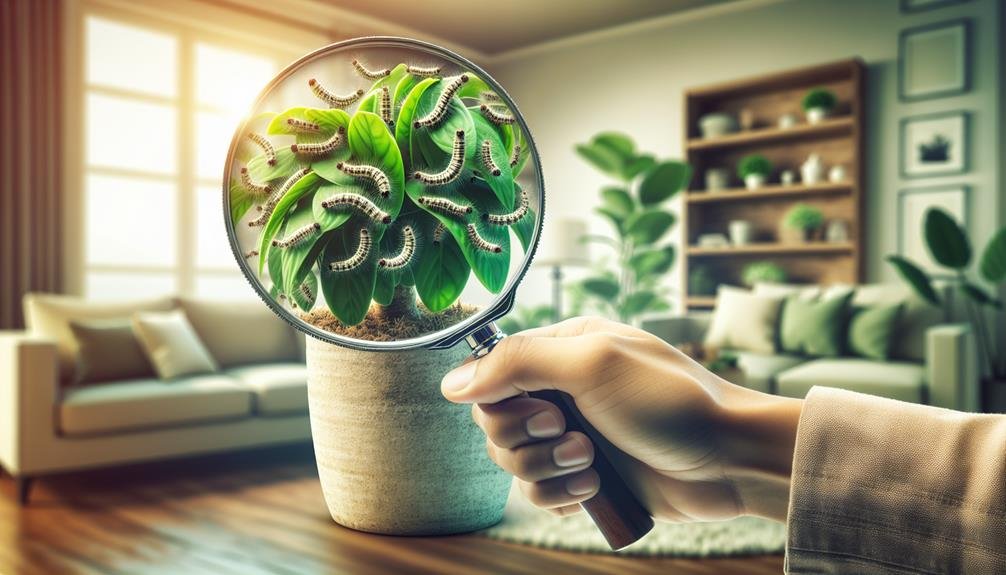
To identify common indoor caterpillar species, observe their physical characteristics closely. Look for key features such as body color, size, and any unique markings. The most common indoor caterpillars include the woolly bear caterpillar, which is known for its black and orange stripes, and the cabbage looper caterpillar, recognized by its green body and looping movement. Additionally, the tomato hornworm caterpillar stands out with its vibrant green color and distinctive horn-like appendage on its rear.
By paying attention to these physical traits, you can easily differentiate between various indoor caterpillar species. Take note of any hairiness, spikes, or patterns on the caterpillar's body, as these can also provide clues to their identity. Remember to handle caterpillars with care, as some species may have defensive mechanisms like stinging hairs or toxic secretions.
Being able to recognize common indoor caterpillar species is the first step in effectively managing any infestations in your home. Proper identification will help you choose the most appropriate control methods to keep these unwanted guests at bay.
Understanding Caterpillar Behavior Patterns
Now, let's explore the behavior patterns exhibited by indoor caterpillars to better understand their movements and habits.
Indoor caterpillars typically follow a few distinct behavior patterns. Firstly, they tend to seek out dark, secluded areas to hide during the day and become more active at night. This nocturnal behavior makes it challenging to spot them during the daytime.
Secondly, caterpillars are known to move in a looping or crawling motion, using their multiple legs to propel themselves forward. They may leave behind silk threads as they move, which can be a key indicator of their presence in a certain area.
Additionally, caterpillars exhibit a strong attraction to sources of food, such as plants and stored grains, which often leads them to infest pantries or indoor gardens.

Implementing Natural Repellents and Deterrents
Consider utilizing natural repellents and deterrents to effectively ward off indoor caterpillar invaders. There are several eco-friendly options you can easily implement to keep these pests at bay. One effective method is using essential oils such as peppermint, lavender, or neem oil. Caterpillars are repelled by the strong scents of these oils, making them great natural deterrents. Simply dilute a few drops of the chosen oil in water and spray it around entry points or areas where caterpillars are present.
Another natural repellent is diatomaceous earth, a powder made from fossilized algae. Sprinkle this powder in areas where caterpillars are likely to travel, such as along baseboards or near windows. When caterpillars come into contact with diatomaceous earth, it dehydrates their bodies, effectively deterring them from crossing treated areas.
Additionally, planting certain herbs like basil, mint, or rosemary around your home can act as a natural barrier against caterpillars. These plants emit strong scents that caterpillars find unpleasant, discouraging them from entering your living spaces. By incorporating these natural repellents and deterrents into your pest control routine, you can successfully keep indoor caterpillar invaders at bay.
Utilizing Eco-Friendly Pest Control Methods
Wondering how you can effectively combat indoor pests while prioritizing environmental sustainability?
When it comes to dealing with caterpillar invaders, utilizing eco-friendly pest control methods can be a game-changer. One effective approach is introducing natural predators like ladybugs or green lacewings into your indoor space. These beneficial insects can help keep caterpillar populations in check without the use of harmful chemicals.
Another eco-friendly method is deploying pheromone traps specifically designed for caterpillars. These traps attract male caterpillars, disrupting their mating patterns and reducing the chances of egg-laying. By using pheromone traps, you can target caterpillars without harming other beneficial insects in your home.
Additionally, neem oil, derived from the seeds of the neem tree, is a safe and natural pest control remedy. Neem oil disrupts the growth and development of caterpillars while being harmless to humans, pets, and beneficial insects. When faced with indoor caterpillar invasions, opting for these eco-friendly pest control methods can help maintain a healthy balance in your living environment.
Maintaining a Caterpillar-Free Environment
To keep your indoor space free from caterpillars, implementing preventive measures is key. Start by sealing any cracks or gaps in doors, windows, and walls to prevent these pests from entering your home.
Regularly inspect plants before bringing them indoors, as caterpillars can hitch a ride on them. Keep your indoor plants healthy and free from pests, as caterpillars are attracted to weak or damaged plants. Avoid overwatering, as damp conditions can attract caterpillars looking for moisture.
Additionally, maintain cleanliness by regularly vacuuming and removing any plant debris where caterpillars might hide. Consider using natural repellents like neem oil or diatomaceous earth to deter caterpillars from infesting your indoor space. If you notice any caterpillars, remove them promptly by handpicking or using a gentle spray of water to dislodge them.
Frequently Asked Questions
How Do Indoor Caterpillars Affect the Overall Health of Houseplants and Indoor Gardens?
Indoor caterpillars can wreak havoc on your houseplants and indoor gardens, impacting their overall health. These pests devour leaves, flowers, and stems, weakening the plants and stunting their growth.
The damage caused by caterpillars can lead to a decline in plant health, making them more susceptible to diseases and other pests. Regular monitoring and swift action are essential to protect your indoor greenery from these invaders.
Are There Any Specific Caterpillar Species That Are More Difficult to Control Indoors Compared to Others?
When dealing with indoor caterpillars, some species can be more challenging to control than others. Factors like their size, feeding habits, and speed of reproduction can make certain caterpillars trickier to manage indoors. Understanding the specific species you're dealing with and their behaviors will help you implement effective control measures.
Consider seeking professional advice if you're facing difficulties with a particularly stubborn caterpillar species in your indoor space.
Can Caterpillars Cause Damage to Furniture, Clothing, or Other Household Items?
Yes, caterpillars can cause damage to furniture, clothing, and other household items. They may chew through fabrics, wood, and other materials in search of food or shelter. Keeping an eye out for signs of caterpillar presence and taking preventive measures can help protect your belongings.
Regular cleaning, sealing cracks and crevices, and removing outdoor debris near entry points can all help reduce the risk of damage from these invasive pests.
Are There Any Potential Health Risks Associated With Indoor Caterpillar Infestations?
When dealing with indoor caterpillar infestations, there are potential health risks to consider. Some caterpillars can cause skin irritation or allergic reactions if touched. Inhaling tiny caterpillar hairs can lead to respiratory issues.
It's crucial to address these infestations promptly to avoid health complications. Keep an eye out for signs of caterpillars in your home and take action to prevent any potential health risks they may pose.
How Can I Prevent Outdoor Caterpillars From Entering My Home in the First Place?
To prevent outdoor caterpillars from entering your home, you can take a few effective measures:
Start by sealing any cracks or gaps in doors, windows, and walls. Keep vegetation trimmed and away from your house, as caterpillars often hide in plants. Use screens on windows and doors to keep them out. Consider using natural repellents like citrus peels or vinegar around entry points. Regularly inspect and clean your home's exterior to deter caterpillars from getting inside.
Taking these steps can help create a barrier that discourages caterpillars from making their way into your living spaces.
Conclusion
Now that you know how to identify indoor caterpillar species, understand their behavior, and utilize natural repellents, you're armed with the secret weapon against these invaders.
By implementing eco-friendly pest control methods and maintaining a caterpillar-free environment, you can keep your home safe and caterpillar-free.
Stay vigilant and proactive in your approach to ward off these unwanted guests for good.