As you inspect your indoor plants, you notice some telltale signs of caterpillar damage. The sight of chewed leaves and droppings can be disheartening.
However, there are effective methods to address caterpillar infestations without resorting to harsh chemicals that may harm your plants and the environment.
By understanding the lifecycle of these pests and implementing targeted strategies, you can protect your beloved indoor greenery.
Stay tuned to discover practical ways to safeguard your plants and restore their vitality.
Identifying Caterpillar Infestations
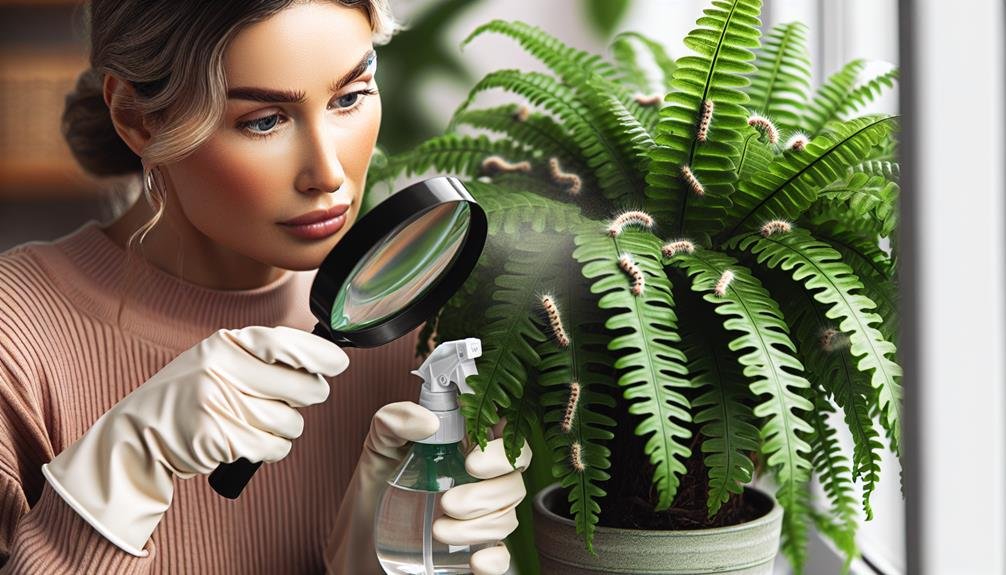
Identifying caterpillar infestations is crucial for effectively managing the health of your indoor plants. The first step is to regularly inspect the leaves and stems of your plants for any signs of damage. Look for chewed or irregularly shaped holes in the leaves, as well as any droppings or silk webs left behind by the caterpillars. Additionally, keep an eye out for caterpillars themselves, which may vary in color and size depending on the species.
Another telltale sign of a caterpillar infestation is the presence of eggs on the undersides of leaves. These tiny, often round eggs can be a precursor to a full-blown infestation if not addressed promptly. It's also important to pay attention to any changes in plant growth or overall health, as caterpillars can quickly strip a plant of its foliage, leading to stunted growth or even death if left unchecked.
Natural Predators and Beneficial Insects
To naturally control caterpillar infestations on your indoor plants, consider introducing beneficial insects and predators. Ladybugs, lacewings, and parasitic wasps are excellent options to help keep caterpillar populations in check. Ladybugs, with their voracious appetite for soft-bodied insects like caterpillars, can be a valuable asset in your battle against infestations.
Lacewings are another great choice, as their larvae feed on caterpillars, helping to reduce their numbers.
Parasitic wasps, despite their intimidating name, are actually harmless to humans and can be incredibly effective at controlling caterpillar populations. These wasps lay eggs inside caterpillars, and when the eggs hatch, the larvae feed on the caterpillar from the inside out. This natural method not only helps control caterpillars but also avoids the use of chemical pesticides that can harm beneficial insects and plants.
Mechanical Removal Techniques
Wondering how you can effectively remove caterpillars from your indoor plants without using chemicals? Mechanical removal techniques offer a simple and eco-friendly solution.

One effective method is handpicking caterpillars off your plants. Simply inspect your plants regularly, especially the undersides of leaves where caterpillars hide, and manually remove any you find. You can also use a soft brush or cloth to gently dislodge caterpillars from the plant.
Another technique is to use a strong stream of water to wash caterpillars off your plants. Be sure to do this carefully to avoid damaging your plants. Additionally, pruning infested leaves or branches can help control caterpillar populations.
After removing caterpillars, dispose of them in a sealed bag to prevent them from returning to your plants. These mechanical removal methods may require consistency and patience, but they can effectively help you combat caterpillar infestations on your indoor plants without the use of harmful chemicals.
Organic Pest Control Methods
For a natural and environmentally friendly approach to managing caterpillar infestations on your indoor plants, consider implementing organic pest control methods.
One effective method is using neem oil, a natural insecticide that disrupts the caterpillars' growth and reproduction. Simply dilute the neem oil according to the instructions and spray it on the affected plants.
Another organic solution is introducing beneficial insects like ladybugs or lacewings, which feed on caterpillars and their eggs. You can purchase these insects from garden centers and release them onto your plants.
Additionally, creating a garlic or chili pepper spray can act as a repellent to deter caterpillars from infesting your indoor plants. To make the spray, blend garlic or chili peppers with water, strain the mixture, and then spray it on your plants.
These organic pest control methods offer a chemical-free way to protect your indoor plants from caterpillar infestations while being gentle on the environment.
Preventive Measures and Plant Care
Consider implementing preventive measures and proper plant care practices to maintain the health and resilience of your indoor plants against potential caterpillar infestations. Start by regularly inspecting your plants for any signs of caterpillars or eggs. Remove any caterpillars you find by handpicking them off the leaves. Additionally, keep your indoor space clean and free of debris that could attract caterpillars.
Proper watering is essential in preventing caterpillar infestations. Overwatering can weaken plants, making them more susceptible to pests. Ensure your plants receive adequate sunlight and aren't overcrowded, as good air circulation can deter caterpillars. Using high-quality potting soil and fertilizing appropriately can also boost the plant's natural defenses against pests.
Consider introducing natural predators like ladybugs or lacewings to your indoor garden to help control caterpillar populations. Finally, if you notice a severe infestation that you can't handle alone, don't hesitate to seek professional help to protect your indoor plants.
Frequently Asked Questions
Can Caterpillars on Indoor Plants Be Harmful to Pets or Children if Touched or Ingested?
Caterpillars on indoor plants can be harmful to pets or children if touched or ingested. Some caterpillars have stinging hairs or toxins that can cause skin irritation, allergic reactions, or more severe symptoms if touched or ingested.
It's essential to keep an eye on your indoor plants and ensure that they're free from caterpillars to prevent any potential harm to your pets or children.
Are There Any Specific Types of Indoor Plants That Are More Susceptible to Caterpillar Infestations?
Certain indoor plants are indeed more susceptible to caterpillar infestations. Factors like plant species, growing conditions, and pest management practices can influence susceptibility.
Keeping an eye on your plants, identifying early signs of infestation, and taking preventive measures can help protect them. Regularly inspecting and maintaining your indoor plants is crucial in managing potential caterpillar issues effectively.
How Do Caterpillars Typically Find Their Way Indoors in the First Place?
Caterpillars usually find their way indoors by hitching rides on your clothes or pets, entering through open doors or windows, or simply crawling in through cracks and crevices. They're attracted to the warmth and shelter that indoor environments provide.
To prevent them from invading your home, make sure to seal any entry points, check your plants for signs of infestation regularly, and keep your indoor spaces clean and tidy.
What Are Some Signs That a Caterpillar Infestation May Be Present on Indoor Plants?
If you suspect a caterpillar infestation on indoor plants, watch out for signs like holes in leaves, chewed edges, or droppings on the soil. Caterpillars can leave behind silk threads and visible caterpillars on the plant.
Keep an eye out for these indicators to catch an infestation early and take necessary steps to control it. Regularly inspecting your plants will help you spot these signs before the infestation gets out of control.
Are There Any Potential Long-Term Effects on Indoor Plants After a Caterpillar Infestation Has Been Effectively Controlled?
After effectively controlling a caterpillar infestation on indoor plants, potential long-term effects may still linger. Damage caused by the caterpillars, such as holes in leaves or weakened stems, might take time to fully recover.
It's essential to continue monitoring your plants for any signs of stress or new infestations. Regular care, like proper watering and fertilizing, can help boost plant resilience and promote overall health post-infestation.
Conclusion
Now that you have learned about identifying caterpillar infestations, natural predators, mechanical removal techniques, organic pest control methods, and preventive measures, you're well-equipped to tackle any caterpillar problems on your indoor plants.
By implementing these strategies, you can effectively control caterpillar infestations and keep your plants healthy and thriving. Remember to stay vigilant and proactive in your plant care routine to prevent future infestations.
Happy gardening!