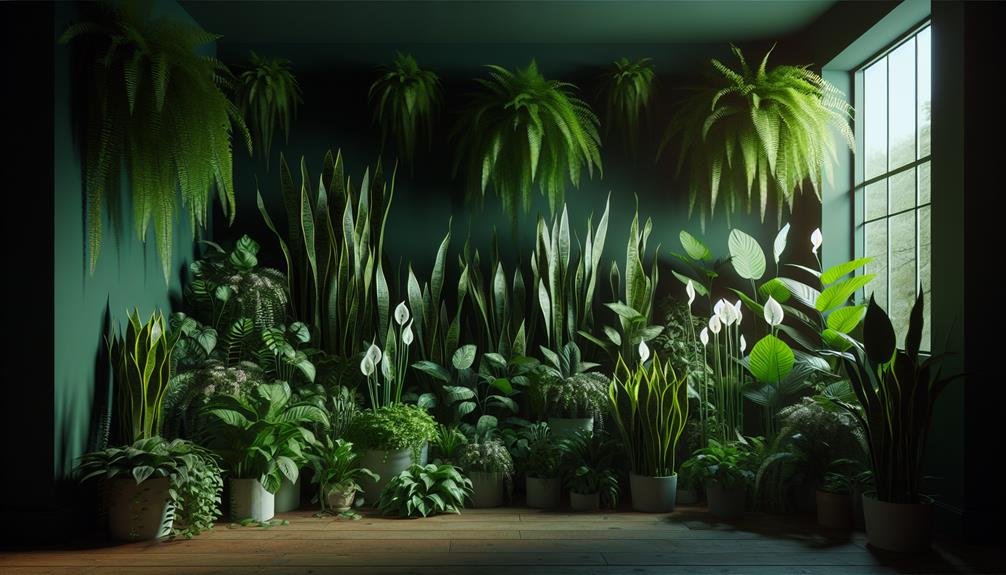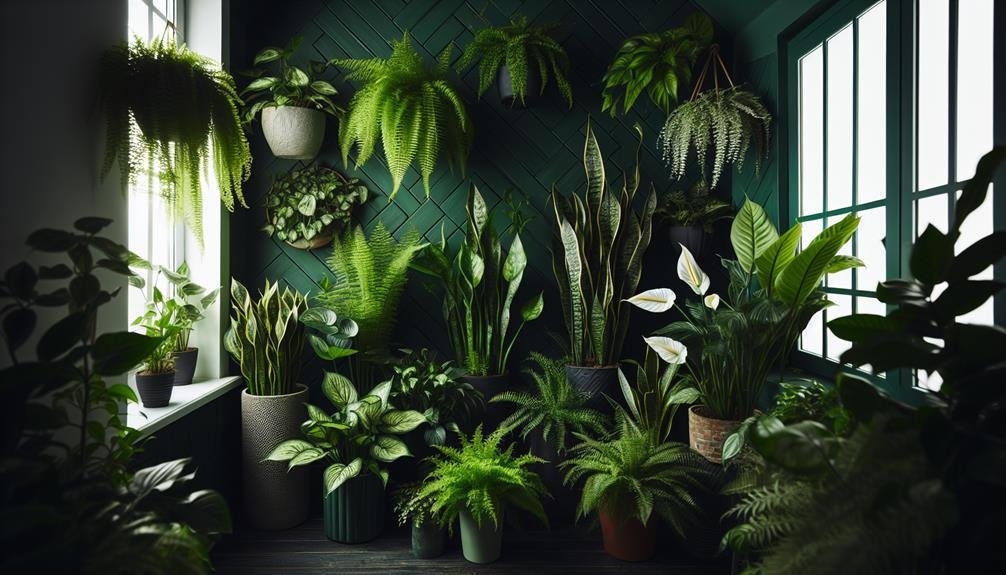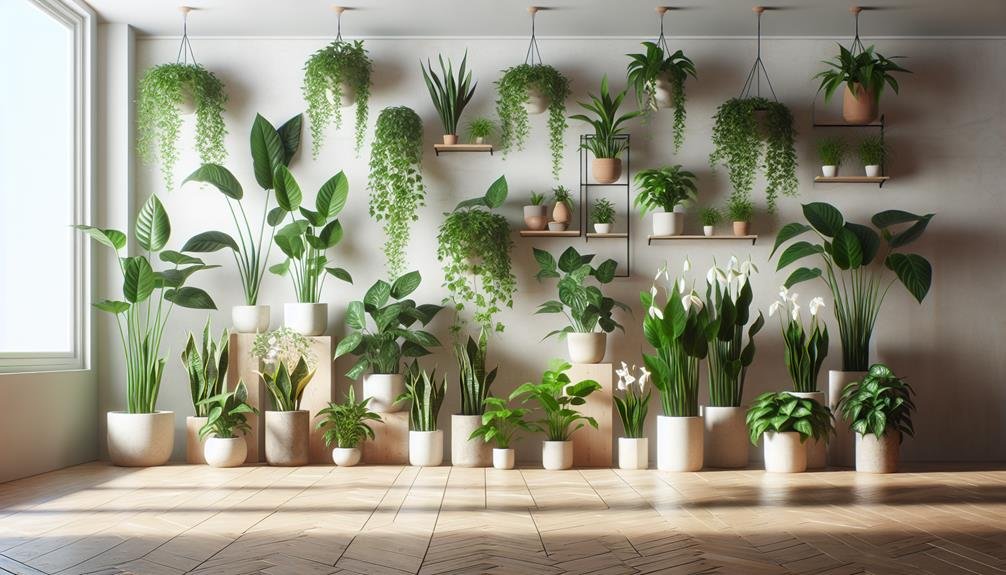
When it comes to caring for indoor plants, it can often feel like a daunting task for beginners. However, with the right selection of easy-care houseplants, you'll be pleasantly surprised at how effortless and rewarding the experience can be.
Imagine adding a touch of greenery to your living space without the constant worry of upkeep. As you explore the world of low-maintenance indoor plants, you'll discover a variety of options that not only thrive with minimal attention but also provide numerous benefits to your home environment.
Benefits of Easy-care Indoor Plants
Why are easy-care indoor plants beneficial for beginners?
Well, for starters, they're a fantastic way to introduce yourself to the world of plant care without feeling overwhelmed. These plants require minimal maintenance, making them perfect for those who are just starting their green journey. With easy-care indoor plants, you can enjoy the beauty and benefits of having plants in your home without the stress of constantly worrying about their upkeep.
Additionally, easy-care indoor plants can help improve the air quality in your home. They're natural air purifiers, removing toxins and impurities from the air and releasing fresh oxygen, creating a healthier environment for you to live in. This can have a positive impact on your overall well-being, helping you feel more energized and focused throughout the day.
Furthermore, easy-care indoor plants can also enhance the aesthetic appeal of your living space. With their lush green foliage and sometimes vibrant flowers, these plants can add a touch of nature and freshness to any room, making it more inviting and serene.
Top 5 Low-Maintenance Houseplants
When it comes to easy-care indoor plants, exploring the top 5 low-maintenance houseplants can be a rewarding starting point for beginners. These plants are perfect for those who are new to gardening or have a busy schedule but still want to enjoy the benefits of having greenery indoors.
- Snake Plant (Sansevieria): Known for its striking upright leaves, the snake plant thrives in a variety of light conditions and only needs occasional watering.
- Spider Plant (Chlorophytum comosum): This plant is hardy and adaptable, producing baby spider plants that dangle from the parent plant, adding a unique touch to any space.
- Peace Lily (Spathiphyllum): With elegant white flowers and dark green leaves, the peace lily is resilient and can even help improve indoor air quality.
- Pothos (Epipremnum aureum): Pothos is a trailing vine that can grow in low light and only requires watering when the soil is dry.
- ZZ Plant (Zamioculcas zamiifolia): The ZZ plant is practically indestructible, thriving in low light and with infrequent watering.
These low-maintenance houseplants are excellent choices for beginners looking to add some greenery to their indoor spaces without the stress of complicated care routines.
Essential Tips for Plant Care
To ensure your easy-care indoor plants thrive, consistent watering and proper light exposure are essential. Water your plants when the top inch of soil feels dry to the touch, ensuring that they aren't sitting in water to prevent root rot. Different plants have varying light requirements, so place them in spots where they receive the right amount of sunlight. Check if your plant prefers bright, indirect, or low light and adjust their placement accordingly.
In addition to watering and light, regular dusting of plant leaves helps them breathe and absorb sunlight effectively. Wipe the leaves gently with a damp cloth or give them a shower occasionally to remove any dust build-up.

Keep an eye out for any pests or diseases that may affect your plants. Inspect them regularly for signs of yellowing leaves, spots, or unusual growth. If you notice any issues, take prompt action to prevent them from spreading to other plants.
Common Mistakes to Avoid
Make sure to avoid overwatering your easy-care indoor plants as it can lead to root rot and other issues. Overwatering is a common mistake that beginners often make, thinking they're helping the plant by providing more water. However, most indoor plants prefer slightly dry conditions between waterings. It's essential to check the soil moisture levels before watering by sticking your finger about an inch into the soil. If it feels dry, then it's time to water.
Another mistake to avoid is placing your plants in areas with insufficient or excessive sunlight. Different plants have varying light requirements, so it's crucial to research the specific needs of each plant you own. Generally, most indoor plants thrive in bright, indirect light. Rotate your plants occasionally to ensure all sides receive equal sunlight.
Lastly, using the wrong type of soil can also harm your indoor plants. Make sure to choose a well-draining potting mix specifically designed for indoor plants to prevent waterlogged roots. By avoiding these common mistakes, you can help your easy-care indoor plants thrive and beautify your living space.
Troubleshooting Plant Issues
If your indoor plants are showing signs of yellowing leaves or wilting, it's important to identify and address the underlying issues promptly. Yellowing leaves can be a sign of overwatering, nutrient deficiencies, or pests. Check the soil moisture level by sticking your finger into the soil; if it feels soggy, hold off on watering. Ensure your plants are receiving adequate sunlight and consider fertilizing them every few weeks.
If pests are present, gently wash the leaves with soapy water or use neem oil to get rid of them. Wilting can indicate underwatering, root rot, or temperature stress. Adjust your watering schedule to keep the soil consistently moist but not waterlogged. Check the roots for any signs of decay and repot the plant if necessary. Maintain a consistent temperature range for your plants and avoid placing them near drafts or heating vents.
Frequently Asked Questions
Are Easy-Care Indoor Plants Safe for Pets, Such as Cats and Dogs?
Easy-care indoor plants can be safe for pets like cats and dogs, but it's crucial to choose non-toxic varieties to keep your furry friends out of harm's way.
Some common houseplants, even if they're easy to care for, can be toxic to pets if ingested.
Research pet-friendly plant options and always place plants out of reach to ensure a safe environment for your pets.
Can Easy-Care Indoor Plants Thrive in Low-Light Conditions?
In low-light conditions, easy-care indoor plants can still thrive. They may grow slower or require less water, but many varieties adapt well to less sunlight. Consider plants like snake plants, pothos, or peace lilies, known for their ability to handle low-light environments.
Remember to monitor their growth and adjust care as needed to ensure they stay healthy even with limited light.
How Often Should I Repot My Easy-Care Indoor Plants?
When should you repot your easy-care indoor plants?
Repotting frequency depends on the plant's growth rate and pot size. Check for roots coming out of the drainage holes or circling the pot surface. Generally, every 1-2 years is suitable.
Use fresh potting mix to provide nutrients for healthy growth. Remember, repotting can be stressful for plants, so handle them gently and water them appropriately afterward.
Are There Any Specific Fertilizers or Nutrients That Easy-Care Indoor Plants Need?
When caring for your easy-care indoor plants, it's important to provide them with specific fertilizers or nutrients to support their growth. These plants generally require a balanced fertilizer that's diluted according to the instructions on the packaging.
Look for a fertilizer that's formulated for indoor plants and apply it during the growing season. This will help ensure that your plants receive the necessary nutrients to thrive and remain healthy.
Can Easy-Care Indoor Plants Help Improve Indoor Air Quality?
Indoor plants, especially easy-care varieties, can indeed help improve indoor air quality. They've the ability to absorb pollutants and release oxygen, creating a healthier environment for you.
Having these plants around can also increase humidity levels and reduce airborne dust. So, adding some easy-care indoor plants to your space isn't only aesthetically pleasing but also beneficial for your well-being.
Conclusion
Overall, easy-care indoor plants are a great choice for beginners looking to bring some greenery into their homes. With minimal maintenance required, these plants are perfect for those with busy schedules or little experience with plant care.
By following the essential tips and avoiding common mistakes, you can enjoy the benefits of having beautiful, thriving houseplants in your living space. So go ahead and start your indoor plant journey with confidence!