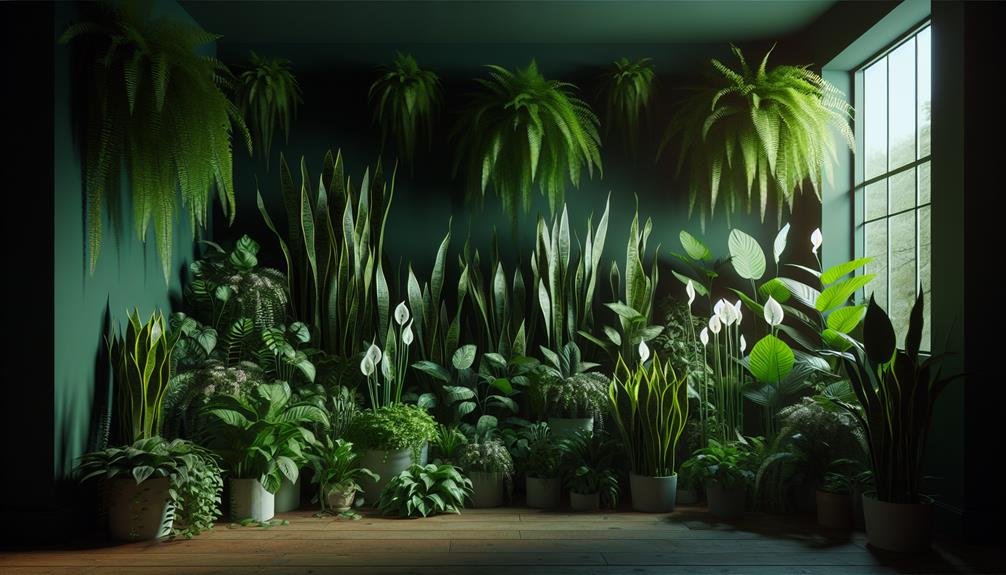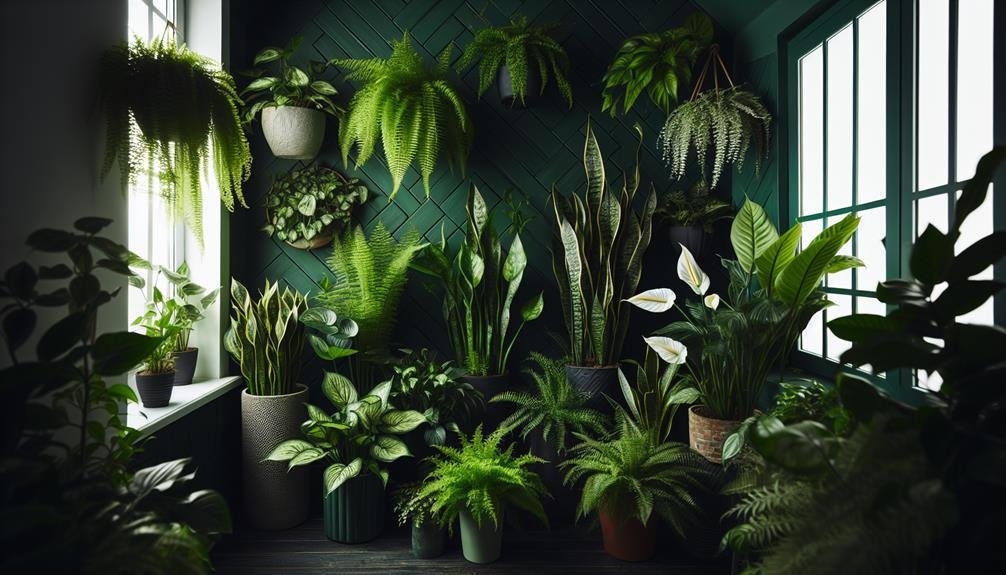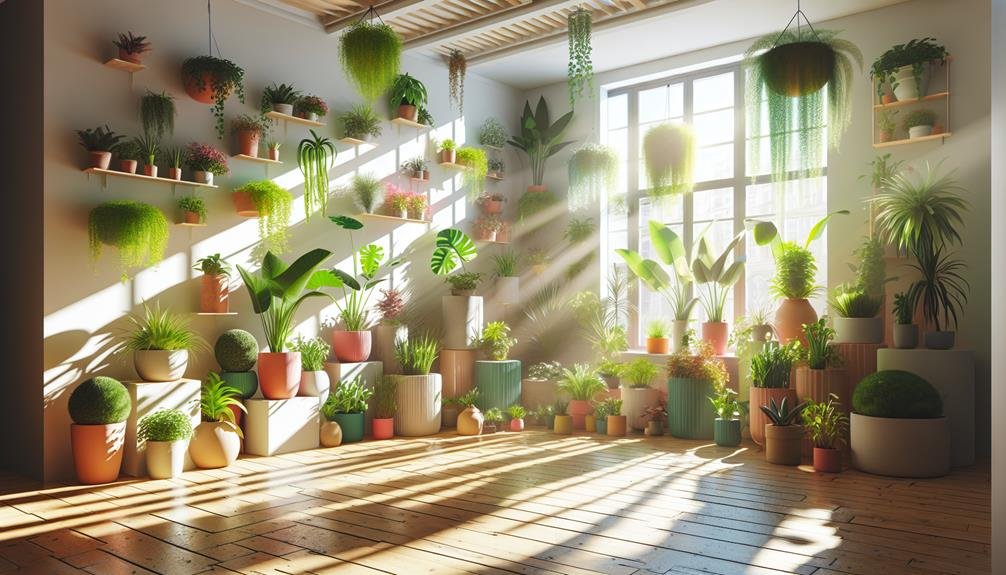
Embarking on your indoor plant journey can be a rewarding experience filled with growth and learning opportunities. As a beginner, choosing the right plants can make all the difference in your success.
From the resilient Snake Plant to the elegant Peace Lily, these 10 beginner-friendly indoor plants offer a variety of options to suit your space and lifestyle.
But how do you ensure they thrive in your care? Discover practical tips and tricks to nurture your green companions and watch them flourish in your home.
Snake Plant
If you're new to caring for indoor plants, the Snake Plant is a perfect choice for you. This hardy plant thrives on neglect, making it ideal for beginners. With its striking tall leaves that resemble snakeskin, it adds a touch of elegance to any room. The Snake Plant is known for its air purifying qualities, removing toxins and improving air quality in your home.
When it comes to caring for a Snake Plant, less is more. These plants prefer to dry out between waterings, so be sure not to overwater them. Place them in indirect sunlight, although they can tolerate low light conditions as well. The Snake Plant is resilient to pests and diseases, making it a low-maintenance addition to your indoor garden.
One of the Snake Plant's most attractive features is its ability to thrive in various environments. Whether you have a bright sunny room or a dimly lit corner, this plant will adapt and continue to grow. So go ahead and bring home a Snake Plant – it's the perfect companion for your journey into the world of indoor gardening.
Pothos
Moving on from the Snake Plant, another beginner-friendly indoor plant option is the Pothos. Pothos, also known as Devil's Ivy, is a popular choice for new plant parents due to its easy-care nature and ability to thrive in various conditions. This plant features heart-shaped leaves that come in different variegations, adding a touch of greenery to your living space.
Pothos is a resilient plant that can tolerate low light conditions, but it truly thrives in indirect sunlight. Water your Pothos when the top inch of the soil feels dry to the touch, making sure not to overwater as it can lead to root rot. Regular pruning helps maintain the plant's bushy appearance and promotes growth.
One of the best features of Pothos is its air-purifying qualities, making it a great addition to your home or office. This plant is also known for its trailing vines, making it ideal for hanging baskets or placed on a high shelf where its vines can cascade down gracefully. Enjoy the beauty of Pothos while reaping the benefits of a low-maintenance plant.
Spider Plant
The Spider Plant, also known as Chlorophytum comosum, is an excellent choice for beginner plant enthusiasts looking to add a touch of green to their indoor spaces. This resilient plant features long, arching leaves that resemble spider legs, hence its name. One of the Spider Plant's most attractive qualities is its adaptability to various light conditions, making it ideal for homes with different lighting situations.

Caring for a Spider Plant is relatively easy. Water it when the top inch of soil feels dry, typically every 1-2 weeks, and ensure proper drainage to prevent root rot. Spider Plants thrive in indirect sunlight but can also tolerate low light, making them versatile for different rooms in your home.
Propagation is another fun aspect of owning a Spider Plant. They produce 'babies' or plantlets that can be snipped off and rooted in water or soil to grow new plants. With minimal effort, you can expand your plant collection or share the joy of gardening with friends and family.
ZZ Plant
A popular choice for beginner indoor gardeners, the ZZ Plant (Zamioculcas zamiifolia) is a low-maintenance and resilient plant that adds a touch of green to any space. This plant is perfect for those who tend to forget about watering since it can survive long periods without it. ZZ Plants thrive in low light conditions but can also adapt well to brighter light, making them versatile for various indoor environments. With its attractive glossy leaves that resemble feathers, the ZZ Plant brings a modern and elegant look to your home or office.
When caring for your ZZ Plant, ensure that the soil is well-draining to prevent root rot, as these plants prefer slightly dry conditions. Water your ZZ Plant only when the soil is completely dry, typically every 2-3 weeks, making it a hassle-free addition to your indoor garden. Remember to keep it away from direct sunlight to avoid leaf burn and enjoy the beauty of your ZZ Plant with minimal effort.
Peace Lily
After exploring the ZZ Plant, let's now shift our focus to the Peace Lily, another fantastic option for beginner indoor gardeners. Peace Lilies are known for their elegant white blooms and lush green leaves, adding a touch of serenity to any space. These plants are excellent for beginners because they're relatively low maintenance and can thrive in low light environments, making them perfect for offices or rooms with limited sunlight.
One of the key benefits of Peace Lilies is their ability to purify the air by removing common indoor pollutants. This makes them not only aesthetically pleasing but also beneficial for your health. When it comes to care, Peace Lilies are forgiving plants that will droop when they need water, making it easy for you to know when they require a drink. They prefer slightly moist soil and occasional misting to keep their leaves looking fresh.
Aloe Vera
Wondering about a versatile and beneficial plant for your indoor space? Look no further than the Aloe Vera plant. This low-maintenance succulent is perfect for beginners, thriving in various conditions with minimal care.
Aloe Vera is well-known for its medicinal properties, making it a practical and beautiful addition to your indoor garden. The gel inside its leaves can be used to soothe sunburns, moisturize skin, and even promote healing of minor cuts and burns. Having this plant around not only adds greenery to your space but also serves as a natural remedy for skin-related issues.
When it comes to care, Aloe Vera is undemanding. It prefers bright, indirect light and only needs watering when the soil is dry. Overwatering can harm the plant, so it's best to let the soil dry out between waterings. With its striking appearance and health benefits, Aloe Vera is a must-have for any beginner looking to bring a touch of nature indoors.
Rubber Plant
Looking for another beginner-friendly indoor plant option? Consider the Rubber Plant, a versatile and low-maintenance choice for adding greenery to your indoor space. Rubber Plants, scientifically known as Ficus elastica, feature thick, glossy leaves that come in various shades of green, making them a stylish addition to any room. These plants are excellent for beginners because they can thrive in a variety of light conditions, from bright indirect light to low light, making them adaptable to different environments within your home.
Caring for a Rubber Plant is relatively easy. Water your Rubber Plant when the top inch of soil feels dry, typically every 1-2 weeks, and be sure not to overwater as this can lead to root rot. These plants also benefit from occasional misting to increase humidity levels. Regularly dusting the leaves with a damp cloth will help the plant photosynthesize efficiently. With minimal effort, you can enjoy the beauty of a Rubber Plant in your living or workspace.
Jade Plant
The endurance of a Jade Plant makes it an ideal choice for novice indoor gardeners seeking a resilient and visually appealing addition to their home decor. This succulent thrives in bright, indirect light and only requires watering when the top inch of soil is dry. Its thick, glossy leaves store water efficiently, making it forgiving for those who may forget to water regularly. Jade Plants are known to bring good luck and symbolize prosperity, adding a touch of positive energy to your living space.
One of the key factors in caring for a Jade Plant is to ensure it has well-draining soil to prevent root rot. A simple cactus or succulent mix works well for these low-maintenance plants. Additionally, pruning is minimal for Jade Plants, mainly focusing on removing any dead or damaged leaves to promote healthy growth. With proper care, your Jade Plant can grow into a beautiful, tree-like shape, making it a stunning focal point in any room.
Philodendron
Philodendrons thrive in various indoor environments, making them a versatile and popular choice for beginner plant enthusiasts. These plants are known for their heart-shaped leaves and low-maintenance care requirements, perfect for those just starting their indoor gardening journey. Philodendrons can tolerate low light conditions, but they prefer medium to bright indirect light for optimal growth.
When it comes to watering, philodendrons prefer consistently moist soil but can withstand occasional drying out between waterings. Overwatering can lead to root rot, so it's essential to let the soil dry slightly between waterings. These plants are forgiving of occasional neglect, making them ideal for beginners who are still learning the ropes of plant care.
Propagation of philodendrons is relatively straightforward, with many varieties easily propagated from stem cuttings. This means you can expand your plant collection or share philodendron cuttings with friends and family. Overall, philodendrons are a fantastic choice for newbie plant parents looking to add a touch of greenery to their indoor spaces.
English Ivy
With its elegant vines and lush green leaves, English Ivy is a classic choice for indoor plant enthusiasts of all levels. This versatile plant thrives in hanging baskets, on shelves, or as a trailing accent on mantles or bookcases. English Ivy isn't only aesthetically pleasing but also helps purify the air by reducing airborne mold particles.
Caring for English Ivy is relatively straightforward, making it an excellent option for beginners. Place your English Ivy in bright, indirect light and water it when the top inch of soil feels dry. Ensure proper drainage to prevent root rot, and mist the leaves occasionally to increase humidity. Regularly trim the vines to maintain a tidy appearance and promote bushier growth.
English Ivy is known for its resilience and ability to bounce back from neglect, making it a forgiving plant for those still learning the ropes of indoor gardening. With a little attention and care, you can enjoy the beauty of English Ivy in your home while reaping its air-purifying benefits.
Frequently Asked Questions
Can These Indoor Plants Be Placed in Direct Sunlight?
You should consider the specific light requirements of each indoor plant before deciding where to place them. Some plants may thrive in direct sunlight, while others could be harmed by too much sun exposure. It's essential to research each plant's needs to ensure they receive the right amount of light for optimal growth.
Be mindful of the placement of your indoor plants to help them thrive in their environment.
How Often Should These Plants Be Watered?
Water your plants based on their specific needs. Overwatering can lead to root rot, while underwatering can cause wilting. Check the soil moisture before watering.
Typically, indoor plants require watering every 1-2 weeks, but this can vary depending on the plant type, pot size, and environmental conditions. Remember, it's better to underwater than to overwater, so observe your plants regularly and adjust the watering frequency accordingly.
Are These Plants Pet-Friendly?
Yes, these plants are pet-friendly. Many beginner-friendly indoor plants are safe for your furry friends. However, it's essential to research specific plant toxicity levels and ensure that your pets can't access plants that may be harmful to them.
Despite being low maintenance, always prioritize the safety of your pets when selecting indoor plants. Remember, a happy plant and a happy pet can coexist in your home harmoniously.
Do These Plants Require Regular Fertilization?
Regular fertilization is essential for most indoor plants to thrive. It provides necessary nutrients for growth and health. Depending on the plant species, fertilizing every 2-4 weeks during the growing season is recommended.
Always follow the instructions on the fertilizer package to avoid overdoing it. Keep an eye on your plants for any signs of nutrient deficiencies, like yellowing leaves.
What Are Some Common Pests That May Affect These Indoor Plants and How Can They Be Prevented or Treated?
Common pests that may affect indoor plants include aphids, spider mites, and mealybugs. To prevent infestations, regularly inspect your plants for signs of pests, such as yellowing leaves or webs. Use insecticidal soap or neem oil to treat affected plants.
Keep a clean environment, avoid overwatering, and isolate new plants to prevent spreading pests. By staying vigilant and taking prompt action, you can keep your indoor plants healthy and pest-free.
Conclusion
So there you have it, new plant parent! These beginner-friendly indoor plants are perfect for those just starting out on their plant journey.
Remember to give them plenty of love, sunlight, and water, and watch as they thrive and brighten up your space.
Don't be afraid to experiment and try out different plants to find what works best for you.
Happy planting!