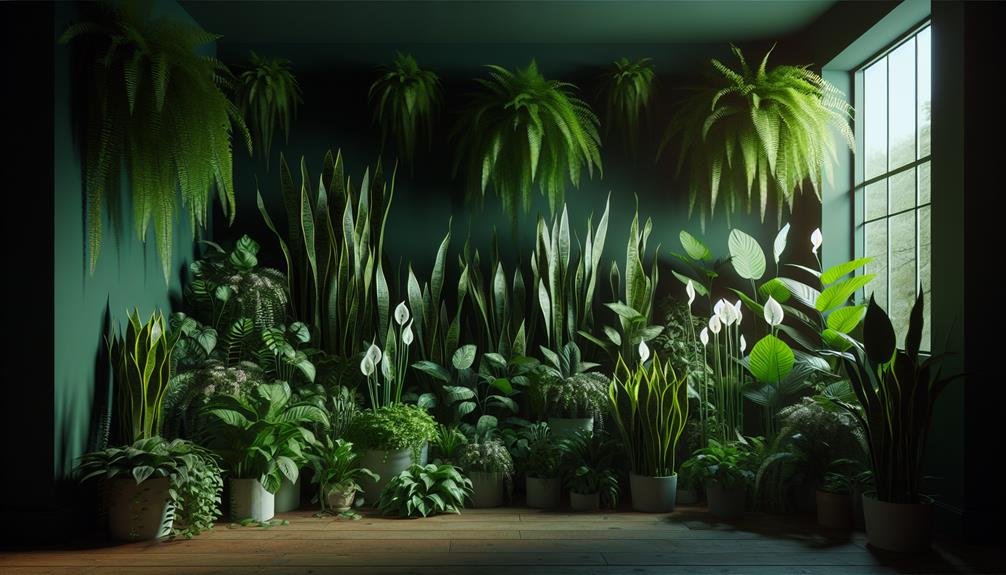
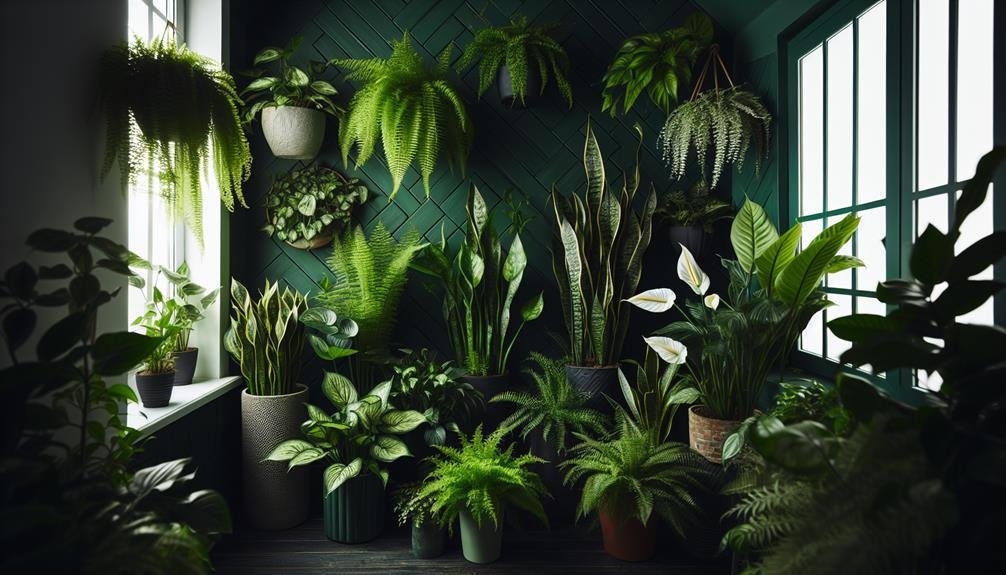
Imagine your living space transformed into a sanctuary of lush greenery, each plant symbolizing growth and tranquility. From the vibrant leaves to the delicate flowers, the world of indoor plants holds endless possibilities.
But where to begin? Starting your plant journey with easy-to-care-for options is crucial. Stay tuned to discover the top picks that will not only survive but thrive in your care, bringing nature's beauty right into your home.
Benefits of Indoor Plants
Indoor plants not only enhance the aesthetic appeal of your living space but also purify the air you breathe. These green companions are like natural air filters, removing toxins and releasing oxygen, which can significantly improve the air quality in your home. Plants such as spider plants, pothos, and peace lilies are known for their air-purifying properties, making them great choices for beginners looking to reap these health benefits.
Beyond cleaner air, indoor plants can also positively impact your mental well-being. Caring for plants can be therapeutic, reducing stress and anxiety levels. The presence of greenery indoors has been linked to increased productivity, focus, and overall mood enhancement. By introducing indoor plants into your living space, you create a more serene and inviting environment that promotes relaxation and creativity.
In addition to their health and psychological benefits, indoor plants can serve as beautiful decor elements, adding vibrancy and life to any room. With the right selection of plants, you can transform your home into a tranquil oasis that not only looks stunning but also nurtures your well-being.
Choosing the Right Plant Location
Enhance the well-being of your plants by carefully selecting the ideal location for them within your living space. When deciding where to place your plants, consider factors such as sunlight, temperature, and humidity. Most indoor plants thrive in areas with bright, indirect sunlight. Place your plants near windows or in well-lit rooms to ensure they receive adequate light without being exposed to direct sun, which can cause sunburn. Keep in mind that different plants have varying light requirements, so it's essential to research the specific needs of each plant.
Temperature is another crucial factor to consider. Most indoor plants prefer consistent room temperatures ranging from 65-75°F (18-24°C). Avoid placing your plants near drafts, heaters, or air conditioning vents, as extreme temperature fluctuations can stress the plants.
In addition to light and temperature, humidity levels play a role in the health of your plants. Some plants, like ferns and tropicals, thrive in high humidity environments, while others, such as succulents, prefer drier air. Consider grouping plants with similar humidity needs together to create microclimates within your home. By selecting the right location based on these factors, you can set your plants up for success and enjoy a thriving indoor garden.
Essential Plant Care Tips
To ensure the well-being of your plants, it's essential to implement key care tips consistently. Proper plant care begins with understanding the specific needs of your green companions. Firstly, pay attention to the lighting conditions required by each plant. Some may thrive in bright, indirect light, while others prefer shade. Regularly check the soil moisture levels by inserting your finger into the soil; water only when the top layer feels dry. Avoid overwatering, as it can lead to root rot. Additionally, dust off your plant leaves gently to allow for better light absorption during photosynthesis.
Regularly inspect your plants for any signs of pests or diseases. Early detection can prevent the spread of infestations and illnesses. Prune dead or yellowing leaves to promote new growth and maintain plant health.

Lastly, keep an eye on the temperature and humidity levels in your plant's environment. Consistent care and attention to these essential plant care tips will help your green companions thrive and bring a touch of nature into your home.
Watering and Fertilizing Guidelines
For healthy plant growth, ensure you water and fertilize according to specific guidelines tailored to each plant's needs. Watering frequency varies among plants, so it's crucial to understand how much water your specific plant requires. Overwatering can lead to root rot, while underwatering can cause wilting. Check the soil moisture level before watering by inserting your finger into the soil up to your knuckle. If it feels dry, it's time to water.
When it comes to fertilizing, choose a balanced liquid fertilizer or a slow-release granular fertilizer designed for indoor plants. Follow the instructions on the fertilizer packaging to prevent over-fertilizing, which can harm your plants. During the growing season, typically in spring and summer, feed your plants every 2-4 weeks. In fall and winter, when plants are dormant, reduce fertilization to once every 6-8 weeks. Remember to always water your plants before fertilizing to prevent root burn.
Troubleshooting Common Plant Issues
Identifying and addressing common plant issues promptly is essential for maintaining the health and vitality of your indoor garden. When your plants start showing signs of distress, such as yellowing leaves or wilting, it's crucial to act quickly to prevent further damage.
One common issue that beginners face is overwatering. If you notice soggy soil and drooping leaves, you may be giving your plants too much water. Adjust your watering schedule and allow the soil to dry out between waterings to help your plants recover.
On the other hand, underwatering can lead to dry, brown leaves. Check the moisture levels regularly and water your plants when the top inch of soil feels dry.
Pests like aphids and spider mites can also wreak havoc on your plants. Keep an eye out for any unusual spots or webbing and treat infestations promptly with insecticidal soap or neem oil.
Frequently Asked Questions
How Can I Prevent My Indoor Plants From Attracting Pests or Insects?
To prevent indoor plants from attracting pests or insects, ensure you regularly inspect your plants for any signs of infestation.
Wipe down leaves with a damp cloth to remove dust and potential pests.
Avoid overwatering, as it can create a hospitable environment for bugs.
Consider using natural remedies like neem oil or insecticidal soap to deter pests.
Lastly, quarantine new plants before introducing them to your existing collection to prevent spreading any potential infestations.
Are There Any Specific Indoor Plants That Are Pet-Friendly and Safe for Animals?
When looking for indoor plants that are safe for pets, stick to options like spider plants, Boston ferns, or African violets. These varieties are known to be pet-friendly and won't harm your furry friends if they decide to nibble on them.
Remember to still keep an eye on your pets around plants, but these options are generally considered safe choices for a pet-friendly home filled with greenery.
What Are Some Common Mistakes Beginners Make When Caring for Indoor Plants?
When caring for indoor plants, beginners often make mistakes like overwatering, not providing enough light, neglecting to fertilize, and forgetting to repot when needed. It's crucial to research each plant's specific needs and create a consistent care routine.
Remember to check the soil moisture before watering and make adjustments based on the plant's response. With a little attention and effort, you can avoid these common pitfalls and help your indoor greenery thrive.
How Can I Tell if My Indoor Plant Needs to Be Repotted Into a Larger Container?
If you're wondering if your indoor plant needs a larger pot, check for roots peeking out from the drainage holes or growing on the surface.
Gently remove the plant from its current container to inspect the root system. If roots are tightly packed and circling the pot, it's time for a bigger home.
Repotting into a larger container will provide more space for growth and help prevent the plant from becoming root-bound.
Are There Any Indoor Plants That Are Particularly Low-Maintenance and Suitable for Busy Individuals?
Looking for low-maintenance indoor plants for your busy schedule? Consider options like snake plants, pothos, or spider plants. These green friends thrive with minimal care, making them perfect for individuals on the go.
Just remember to water them occasionally and provide some sunlight, and they'll be happy in your space without demanding too much of your time. Enjoy the benefits of greenery without the added stress of high maintenance plants.
Conclusion
Now that you have learned about the benefits of indoor plants, how to choose the right location, essential care tips, watering and fertilizing guidelines, and troubleshooting common issues, you're ready to start your indoor plant journey!
Remember, starting with simple starter plants for beginners will help you gain confidence and experience in plant care.
Get your hands dirty and watch your greenery thrive!