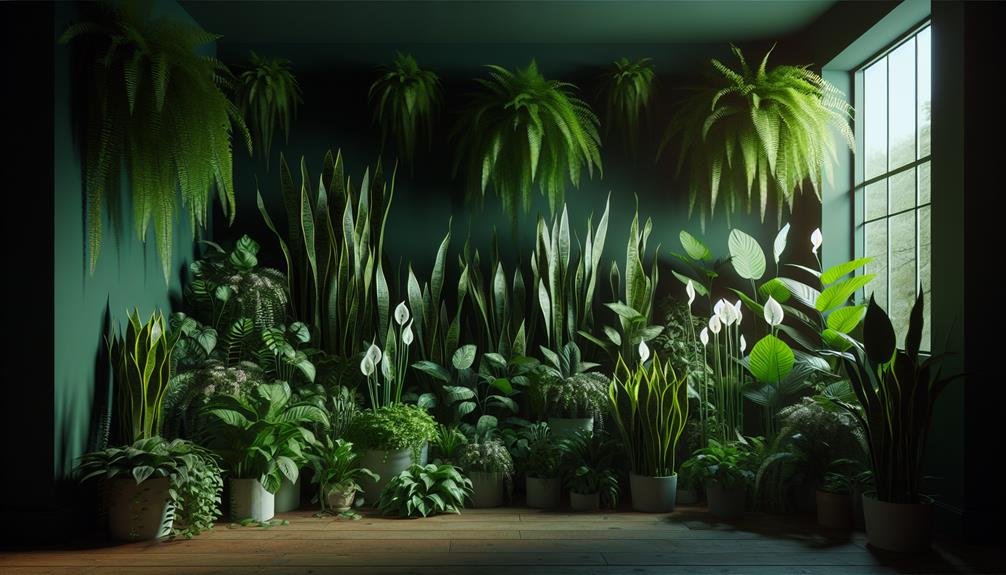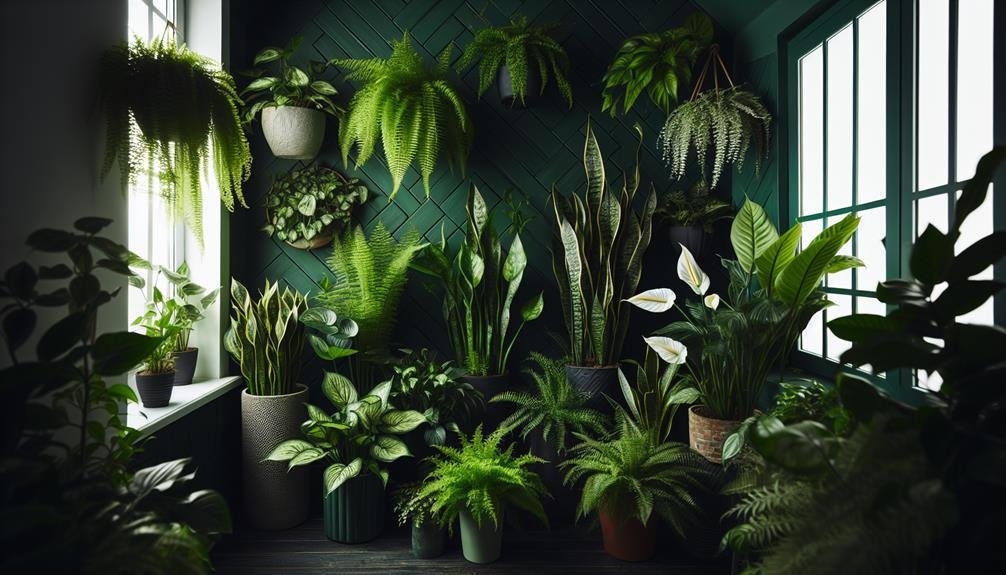
Looking to add a touch of green to your living space but not sure where to start? Well, fret not, as we have curated a list of seven indoor plants that are not only easy to care for but also perfect for beginners.
From the lush Pothos to the sturdy Snake Plant, these green companions can breathe life into your home effortlessly. But what makes these plants so ideal for beginners? Stay tuned to discover the secrets behind their low-maintenance charm.
Pothos
Pothos is a popular choice for beginners looking to add a touch of green to their indoor space. This plant is low-maintenance and thrives in various light conditions, making it perfect for those new to plant care. You can place your Pothos in a hanging basket or let it trail down a shelf for a beautiful cascading effect.
When caring for your Pothos, ensure the soil is well-draining and water it when the top inch feels dry. Overwatering can lead to root rot, so it's essential to let the soil dry out between waterings. Pothos plants are forgiving and can bounce back if you forget to water them occasionally.
One of the best features of Pothos is its ability to purify the air by removing toxins like formaldehyde and benzene. This plant not only adds aesthetic value to your home but also contributes to a healthier indoor environment. With its vibrant green leaves and easy care requirements, Pothos is a fantastic choice for beginner plant enthusiasts.
Snake Plant
Known for its air-purifying properties and striking appearance, the Snake Plant is a resilient and visually appealing choice for indoor plant enthusiasts. With its long, upright leaves that resemble the skin of a snake, this plant adds a touch of elegance to any room. One of the biggest draws of the Snake Plant is its low maintenance nature, making it perfect for beginners or those with busy schedules.
This plant is incredibly forgiving when it comes to light conditions and watering frequency, thriving in both bright light and low light environments. The Snake Plant is also known for its ability to improve indoor air quality by removing toxins such as formaldehyde and benzene.
To care for your Snake Plant, simply place it in indirect sunlight and water it sparingly, allowing the soil to dry out between waterings. With minimal effort, you can enjoy the beauty and benefits of this wonderful plant in your home.
Spider Plant
The Spider Plant, with its arching leaves and air-purifying qualities, is a popular choice for indoor gardeners seeking a low-maintenance and visually appealing plant. This resilient plant thrives in various lighting conditions, making it ideal for beginners. Spider plants are known for their ability to effectively remove toxins like formaldehyde from the air, enhancing the air quality in your home.
When caring for a Spider Plant, remember to water it regularly but allow the soil to dry out between waterings to prevent root rot. These plants prefer indirect sunlight but can also tolerate low-light conditions, making them versatile for different spaces in your home. Propagating Spider Plants is easy; they produce 'babies' or plantlets that can be rooted in water and then transferred to soil, giving you more plants to expand your indoor garden.

With its graceful leaves and air-purifying benefits, the Spider Plant is a wonderful addition to any indoor space, perfect for those looking to start their plant-parenting journey with a fuss-free and charming plant.
Peace Lily
A popular choice among indoor plant enthusiasts, the Peace Lily is known for its elegant white blooms and air-purifying properties. This plant is a great option for beginners due to its low maintenance requirements. Peace Lilies thrive in medium to low light conditions, making them suitable for various indoor environments. They also help improve air quality by removing toxins such as formaldehyde and benzene.
When caring for a Peace Lily, it's essential to keep the soil consistently moist but not waterlogged. These plants will droop when they need water, making it easy to know when to hydrate them. Fertilize the Peace Lily occasionally to encourage growth and blooming. Remove any yellow leaves to promote new growth and keep the plant looking healthy.
ZZ Plant
With its striking appearance and reputation for being nearly indestructible, ZZ Plant is a fantastic choice for beginners venturing into the world of indoor gardening. This plant features beautiful, glossy green leaves that add a touch of elegance to any space. ZZ Plants are known for their ability to thrive in low light conditions, making them perfect for rooms with minimal sunlight.
One of the best things about ZZ Plants is their low maintenance nature. They require infrequent watering, as they store water in their rhizomes, making them quite drought-tolerant. This means you don't have to worry about sticking to a strict watering schedule. Additionally, ZZ Plants are resilient to pests and diseases, further adding to their appeal for beginner gardeners.
When it comes to placement, ZZ Plants are versatile and can adapt to various environments within your home. Whether you place them in a bright spot or a corner with low light, they'll continue to thrive with minimal attention. Overall, ZZ Plants are a great addition to any indoor space, offering beauty and ease of care for beginners looking to cultivate their green thumb.
Aloe Vera
Boasting a myriad of benefits and versatile uses, Aloe Vera stands out as a must-have plant for indoor gardening enthusiasts of all levels. This succulent isn't only easy to care for but also offers medicinal properties. Aloe Vera is well-known for its gel, which can be used to soothe sunburns, moisturize skin, and even promote healing of minor cuts and burns.
When it comes to growing Aloe Vera indoors, make sure to place it in a bright spot with indirect sunlight. Allow the soil to dry out completely between waterings to prevent root rot, as Aloe Vera is highly tolerant of drought conditions. This plant thrives in well-draining soil, so a cactus or succulent mix is ideal.
Moreover, Aloe Vera can also help improve indoor air quality by removing toxins like formaldehyde and benzene. With its low maintenance requirements and health benefits, Aloe Vera is a fantastic addition to any indoor plant collection.
Rubber Plant
Curious about a resilient indoor plant that adds a touch of green to your space while being easy to care for? Look no further than the Rubber Plant (Ficus elastica). This plant is an excellent choice for beginners due to its hardy nature and minimal maintenance requirements.
Rubber Plants have thick, glossy leaves that can range from dark green to variegated patterns, adding a vibrant and lush look to your indoor environment. These plants thrive in bright, indirect light but can also tolerate low light conditions, making them versatile for various spaces in your home.
When it comes to care, the Rubber Plant is forgiving and doesn't need frequent watering. Allow the top inch of soil to dry out between waterings to prevent overwatering, which can lead to root rot. Additionally, dusting the leaves occasionally will help the plant photosynthesize more efficiently.
With its air-purifying qualities and aesthetic appeal, the Rubber Plant is a fantastic addition to any beginner's indoor plant collection. Give it a try and enjoy the beauty it brings to your living space!
Frequently Asked Questions
How Often Should I Water My Indoor Plants?
When should you water your indoor plants?
The frequency of watering your plants depends on factors like the plant type, pot size, and environmental conditions.
Generally, you should check the moisture level of the soil regularly by inserting your finger about an inch deep.
Water your plants when the soil feels dry to the touch.
Overwatering can lead to root rot, so it's essential to strike a balance to keep your plants healthy.
What Kind of Lighting Do These Indoor Plants Require?
For indoor plants, lighting needs vary. Some prefer bright, indirect light, while others thrive in low-light conditions. Check each plant's specific requirements. Plants like succulents need lots of sunlight, while ferns prefer shade.
Rotate plants occasionally for even growth. Consider the direction your windows face for the best light exposure. Remember, more light doesn't always mean better—balance is key for healthy indoor plants.
Can These Plants Be Placed in Direct Sunlight?
Direct sunlight can be harmful to many indoor plants, causing their leaves to burn. It's best to place these plants in bright, indirect light to keep them happy and healthy.
If you notice signs of sunburn, like brown spots or wilting leaves, move the plant to a spot with less direct sunlight. Remember, it's all about finding the right balance to ensure your indoor plants thrive in their environment.
Are These Plants Safe for Pets to Be Around?
When it comes to pets and plants, safety is key. Some indoor plants may be harmful to your furry friends if ingested. Make sure to research each plant's toxicity level before bringing it home.
Keep pet-friendly options like spider plants, Boston ferns, or African violets around your home to create a safe environment for your pets. Always prioritize your pets' well-being when selecting indoor plants to avoid any potential health risks.
How Do I Propagate These Indoor Plants if I Want to Grow More?
To propagate indoor plants, you can start by gathering cuttings from healthy plants. Trim stems at an angle and remove lower leaves. Place cuttings in water or soil, keeping them moist. For water propagation, change water regularly.
Once roots appear, transplant into soil. For soil propagation, ensure well-draining soil and keep it lightly moist. Provide warmth and indirect light for successful growth. Enjoy watching your plant babies thrive and multiply!
Conclusion
Overall, these 7 beginner-friendly indoor plants are perfect for adding a touch of greenery to your space while requiring minimal care.
Whether you choose the low-maintenance Pothos or the air-purifying Snake Plant, there's a plant for every beginner gardener.
With their resilience and ability to thrive indoors, these plants are sure to bring beauty and life to your home without the stress of high maintenance.
Happy planting!