You might be surprised how some houseplants manage to flourish effortlessly, almost like they have a secret pact with neglect. Yet, behind their unassuming appearance lies a fascinating array of adaptations that enable them to thrive with minimal fuss.
From their innate ability to withstand long periods without water to their genetic makeup that champions resilience, these green companions have mastered the art of self-sufficiency. But there's one crucial aspect that often goes unnoticed, a hidden mechanism that holds the key to their survival against all odds.
Natural Adaptations
Natural adaptations enable houseplants to thrive with minimal care, making them ideal for busy individuals or those new to plant care. One key adaptation is the ability of certain houseplants to store water efficiently in their leaves, stems, or roots. This adaptation allows them to withstand periods of drought without immediate watering.
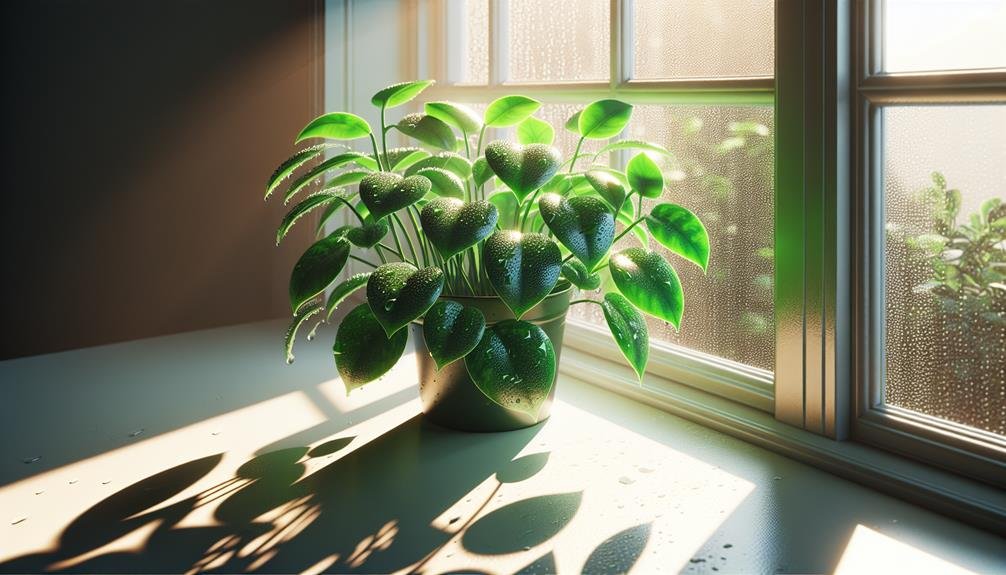
Additionally, many houseplants have developed mechanisms to maximize light absorption, such as broad leaves or specialized structures that help them capture sunlight more effectively. These adaptations enable them to thrive even in indoor environments with limited light exposure.
Houseplants also have evolved various defense mechanisms against pests and diseases. Some plants produce natural compounds that repel insects, while others have developed thick waxy coatings on their leaves that deter pests and reduce water loss. By having these built-in defenses, houseplants can maintain their health and vitality without the need for constant monitoring or intervention.
Understanding these natural adaptations can help you choose the right houseplants for your lifestyle and care preferences, ensuring a thriving indoor garden with minimal effort.
Genetic Resilience
With genetic resilience, houseplants demonstrate a remarkable ability to adapt and thrive in various environmental conditions. This resilience is ingrained in their genetic makeup, allowing them to withstand fluctuations in temperature, light exposure, and humidity levels. Plants with strong genetic resilience can bounce back from periods of neglect, such as irregular watering or minimal fertilization, and continue to grow healthily.
One key aspect of genetic resilience in houseplants is their ability to efficiently utilize available resources. Plants with this trait can maximize their nutrient intake from the soil and air, ensuring their survival even in less-than-ideal conditions. Additionally, genetic resilience enables some houseplants to resist common pests and diseases, reducing the need for frequent interventions.
Through selective breeding and natural selection, certain houseplants have developed enhanced genetic resilience over time. These plants are better equipped to thrive in diverse environments, making them ideal choices for busy individuals or those with limited gardening experience. By harnessing the power of genetic resilience, these houseplants can flourish with minimal care, bringing beauty and greenery into any home.
Water-Storing Abilities
Houseplants with genetic resilience can further enhance their ability to thrive by developing water-storing abilities. This adaptation allows them to store water in specialized tissues, such as succulent leaves or stems, for times when water is scarce. By storing water, these plants can withstand longer periods between watering without suffering from dehydration.

Plants like cacti and succulents have evolved to excel in arid conditions by storing water in their fleshy tissues. These water reservoirs enable them to survive in environments where water availability fluctuates. When you water these plants, they absorb and store water efficiently for later use, making them well-suited for those who may forget to water them regularly.
Having houseplants with water-storing abilities can be beneficial for busy individuals or those who are new to plant care. These plants can tolerate occasional lapses in watering and still maintain their health and vigor. So, if you're looking for low-maintenance houseplants, consider adding ones with water-storing abilities to your indoor garden.
Low Light Tolerance
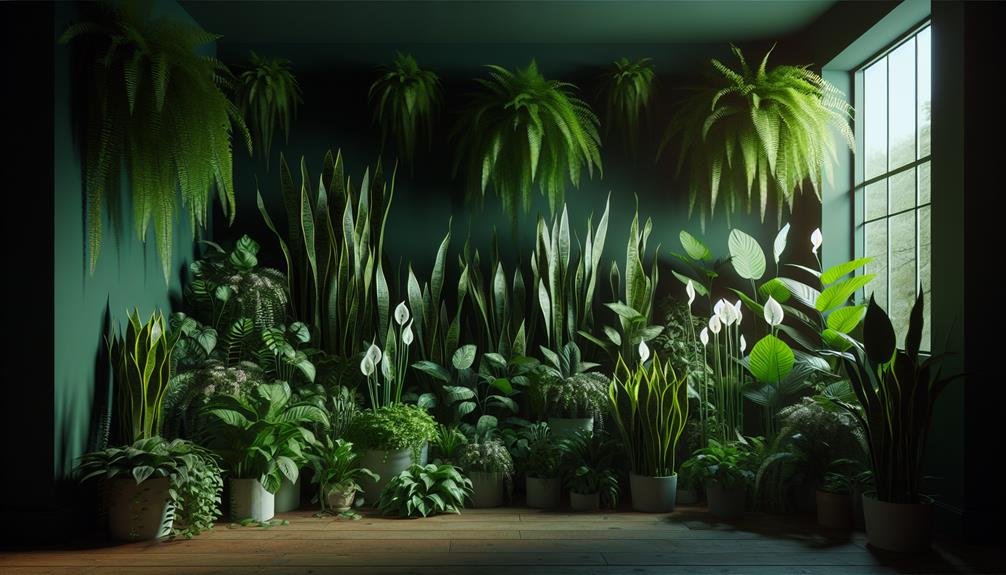
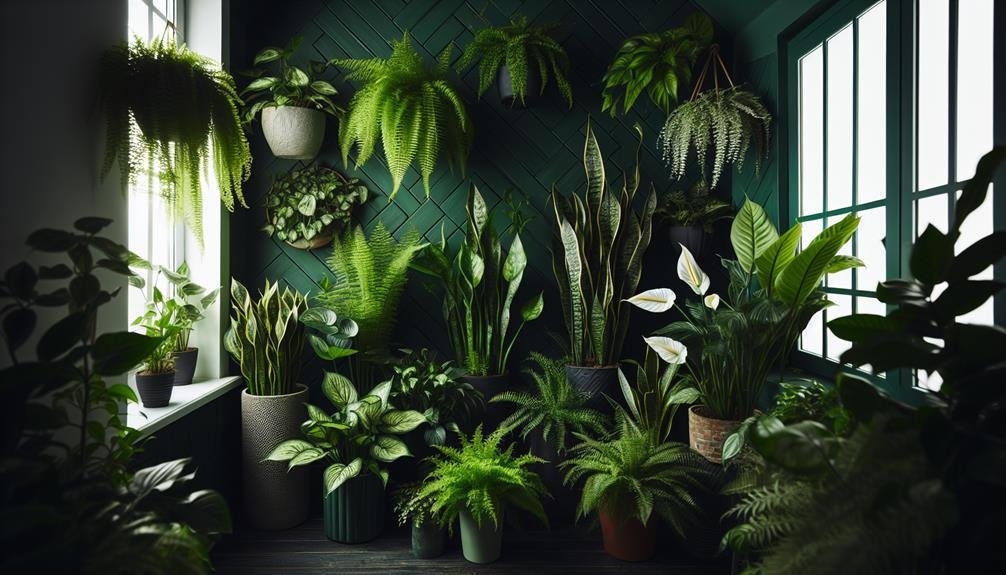
If your indoor space lacks abundant sunlight, certain plant varieties can thrive in low light conditions. Low light tolerant houseplants are excellent choices for rooms with minimal natural light. Plants such as the snake plant, peace lily, and pothos are well-suited for environments where sunlight is scarce. These plants have adapted to survive in the shade by being able to photosynthesize efficiently with limited light. They're great options for areas in your home that receive indirect light or are further away from windows.
When selecting houseplants for low light areas, look for species that have evolved to thrive in the understory of forests where sunlight is filtered through the canopy. These plants have developed mechanisms to make the most of the light available, making them resilient to dimly lit spaces. By choosing low light tolerant plants, you can still enjoy the benefits of greenery in areas of your home that don't receive a lot of sunlight.
Slow Growth Patterns
In environments with limited light, houseplants with slow growth patterns demonstrate adaptability and resilience. These plants have evolved to thrive in conditions where resources are scarce, making them ideal choices for those seeking low-maintenance greenery. The gradual pace of their growth allows them to allocate energy efficiently, focusing on maintaining their existing foliage rather than rapidly producing new leaves.
Slow-growing houseplants often have thick, sturdy stems and leaves that can withstand fluctuations in watering schedules. Their ability to store water for extended periods enables them to survive in drought-like conditions, making them forgiving options for busy plant owners. By growing slowly, these plants also require less frequent repotting and maintenance compared to their faster-growing counterparts.
Despite their unhurried growth, these plants can still provide a touch of greenery and life to your living space. Their resilience and adaptability make them excellent choices for beginners or those with hectic schedules, offering the beauty of nature without the constant need for attention. Embrace the steady, enduring growth of these houseplants as they quietly thrive in the background of your home.
Frequently Asked Questions
How Can I Tell if My Houseplant Is Being Overwatered or Underwatered?
To tell if your houseplant is overwatered or underwatered, check the soil moisture level. Stick your finger about an inch deep into the soil; if it feels dry, your plant might be underwatered. If the soil feels soggy or overly wet, it's likely overwatered.
Adjust your watering routine accordingly to keep your plant healthy and thriving. Remember, balance is key for happy houseplants!
Are There Any Common Pests or Diseases That Houseplants With Minimal Care Are More Susceptible To?
Common pests and diseases can pose a threat to houseplants with minimal care. Lack of attention may make them more susceptible to issues like spider mites, aphids, and fungal infections.
Regularly inspect your plants for any signs of infestation or disease. Simple preventive measures, such as proper watering and adequate light exposure, can help keep your low-maintenance houseplants healthy and thriving.
What Are Some Signs That a Houseplant Needs to Be Repotted?
If your houseplant starts outgrowing its pot or you notice roots poking out from the drainage holes, it's time to repot.
Look for signs like water draining too quickly, soil drying out fast, or roots circling the pot's surface. Yellowing leaves, stunted growth, or the plant tipping over easily can also indicate the need for repotting.
Keep an eye out for these signals to ensure your plant stays healthy and happy.
Can Houseplants With Minimal Care Still Benefit From Fertilization?
Yes, even houseplants with minimal care can benefit from fertilization. Fertilizing provides essential nutrients that may not be present in the soil or that the plant has used up over time.
It can help support growth, blooming, and overall health. Choose a balanced fertilizer and apply it according to the instructions to ensure your plant receives the nourishment it needs to thrive with minimal care.
Are There Any Specific Types of Houseplants That Are More Suited for Minimal Care Environments?
For minimal care environments, look for plants that can handle neglect. Succulents, like aloe vera and snake plants, thrive on minimal attention. Peace lilies and ZZ plants are also great choices for low-maintenance care.
These plants require less watering and can tolerate varying light conditions. By choosing these types of houseplants, you can enjoy a green touch in your home without the need for constant monitoring and care.
Conclusion
So next time you forget to water your houseplant or don't have time to give it a lot of attention, don't worry! Many houseplants are designed to thrive with minimal care due to their natural adaptations, genetic resilience, water-storing abilities, low light tolerance, and slow growth patterns.
Just sit back and enjoy the beauty of your low-maintenance plant that will continue to flourish with little effort on your part.