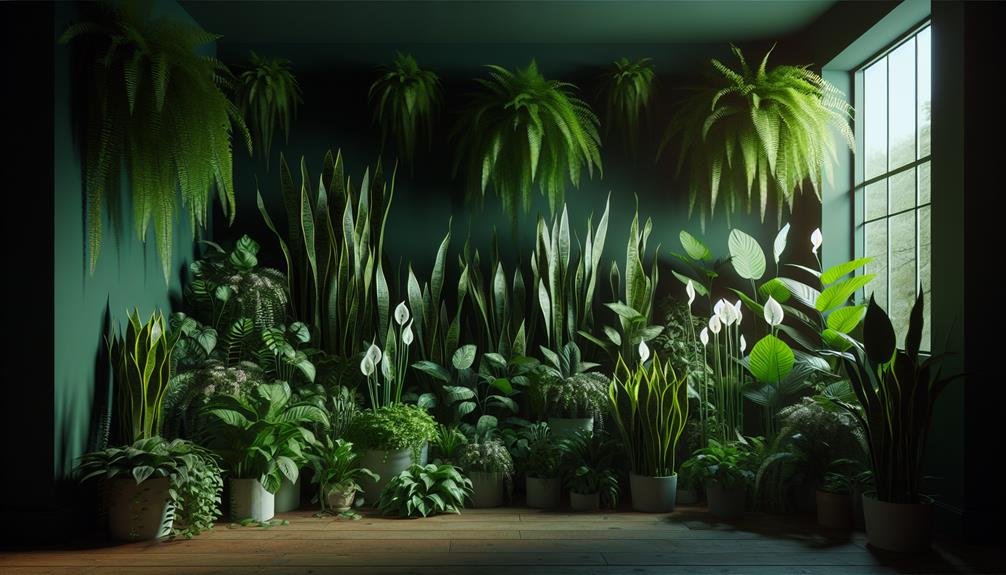
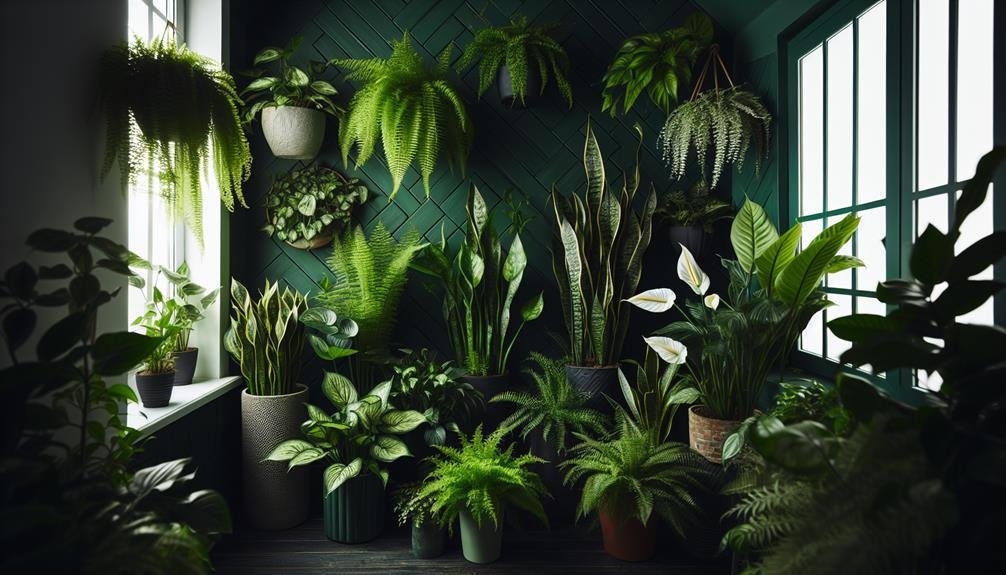
When it comes to indoor plants, they say that 'a journey of a thousand miles begins with a single step.' Imagine transforming your living space with lush greenery that not only enhances your surroundings but also provides a sense of tranquility.
As a beginner, you may be wondering which plants are the best to start with, ones that require minimal effort yet offer maximum benefits. Let's explore a curated list of beginner-friendly indoor plants that are not only easy to care for but also add a touch of nature to your home.
Benefits of Indoor Plants
Indoor plants enhance your living space by purifying the air and adding a touch of nature to your surroundings. Not only do they brighten up your home decor, but they also offer numerous health benefits. Plants such as Spider Plants, Peace Lilies, and Aloe Vera are known for their air-purifying properties, removing toxins and improving the air quality in your home. By releasing oxygen and absorbing carbon dioxide, indoor plants create a healthier environment for you to breathe in.
In addition to their air-purifying abilities, indoor plants have been shown to reduce stress and boost your mood. The presence of greenery indoors has a calming effect on the mind, promoting relaxation and overall well-being. Caring for plants can also provide a sense of accomplishment and purpose, enhancing your mental health.
Bringing nature indoors not only adds beauty to your space but also contributes to a healthier and happier lifestyle. Consider incorporating a variety of indoor plants into your home to reap these benefits and enjoy a greener, more vibrant living environment.
Top 5 Easy-to-Grow Varieties
When selecting plants for your indoor space, consider these top 5 easy-to-grow varieties that will thrive with minimal effort.
First on the list is the Snake Plant, known for its striking appearance and ability to survive with little light and water.
Next up, we've the Spider Plant, which is excellent for beginners due to its resilience and air-purifying qualities.
The Pothos plant is another fantastic option, requiring only occasional watering and indirect light to flourish.
If you're looking for a flowering plant, the Peace Lily is a top choice for its beautiful blooms and low maintenance needs.

Lastly, the Aloe Vera plant isn't only aesthetically pleasing but also beneficial for its healing properties and simple care requirements.
These 5 varieties are perfect for individuals new to indoor gardening, offering beauty and greenery to your space without demanding too much attention.
Essential Care Tips for Beginners
Considering the top 5 easy-to-grow indoor plant varieties mentioned earlier, you'll want to know some essential care tips as a beginner to ensure their continued health and growth.
First, light is crucial. Make sure your plants receive the right amount – not too much that they scorch, nor too little that they wither.
Watering is vital too. Overwatering can lead to root rot, while underwatering causes wilting. Find the balance by checking the soil moisture regularly.
Additionally, indoor plants benefit from occasional feeding. Use a balanced liquid fertilizer diluted to half its strength to avoid nutrient buildup. Remember to dust the leaves gently to allow proper absorption of light.
Lastly, keep an eye out for pests. Insects like spider mites or aphids can harm your plants. If you spot any, remove them with a gentle spray of water or insecticidal soap.
Troubleshooting Common Plant Issues
To address common issues with your indoor plants, start by examining their leaves for signs of discoloration or unusual spots. Discoloration could indicate overwatering, nutrient deficiencies, or pests. If the leaves are yellowing, you might be watering too much. On the other hand, brown tips could mean the air is too dry. Ensure your plant is receiving adequate sunlight; yellow leaves may suggest it needs more light, while scorched or withered leaves could mean it's getting too much direct sunlight.
If you notice unusual spots, it could be a sign of a fungal or bacterial infection. Treat these promptly with appropriate fungicides or bactericides to prevent the issue from spreading. Check for pests like spider mites, aphids, or mealybugs, especially on the underside of leaves. Use insecticidal soap or neem oil to combat these pests.
Lastly, make sure your plant is in a pot with proper drainage to prevent root rot. Regularly inspecting your plants and addressing issues promptly will help keep them healthy and thriving.
Creative Ways to Display Your Plants
Examine your indoor space for unique surfaces and areas where you could showcase your plants creatively, adding a touch of greenery and personality to your home decor. Consider hanging planters from the ceiling or placing them on floating shelves to bring a sense of height and dimension to your room. Utilize macramé plant hangers to add a bohemian flair or opt for sleek, modern plant stands for a more contemporary look. Repurpose vintage crates or wooden boxes as planters to introduce a rustic charm to your space.
Incorporate plants into unexpected areas such as the bathroom by placing them on a ladder shelf or hanging them in a shower caddy designed for plants. Create a mini indoor garden by grouping different plant varieties together on a windowsill or a dedicated plant shelf. Use decorative pots in varying sizes, shapes, and colors to add visual interest and complement your existing home decor. By exploring innovative ways to display your plants, you can enhance the ambiance of your indoor space and infuse it with natural beauty.
Frequently Asked Questions
How Can I Prevent My Indoor Plants From Attracting Pests Like Gnats and Spider Mites?
To keep pests away from your indoor plants, start by inspecting new plants before bringing them indoors. Make sure the soil is well-draining and not too damp, as pests like gnats thrive in moisture. Allow the soil to dry out between waterings and avoid overwatering.
Consider using natural remedies like neem oil or insecticidal soap to deter pests without harming your plants. Regularly clean and dust plant leaves to prevent spider mites from settling in.
Are There Any Indoor Plants That Are Safe for Pets to Be Around?
When looking for indoor plants safe for pets, consider options like spider plants, Boston ferns, or African violets. These plants are non-toxic to cats and dogs, making them a pet-friendly choice for your home.
Remember to place them in areas where your pets can't easily access them to avoid any accidental snacking. Research each plant's toxicity level and keep an eye out for any signs of discomfort in your furry friends.
What Are Some Common Mistakes Beginners Make When Caring for Indoor Plants?
When caring for indoor plants, beginners often overwater, leading to root rot. Remember to check the soil moisture before watering.
Lack of proper lighting is another common mistake. Ensure your plants receive adequate sunlight or consider using grow lights.
Neglecting regular cleaning of plant leaves can hinder photosynthesis.
Lastly, using the wrong type of soil can impact plant health. Choose well-draining soil suited to your specific plant needs for successful growth.
How Can I Tell if My Indoor Plant Needs to Be Repotted Into a Larger Container?
If your indoor plant's roots start peeking out of the drainage holes or circling the pot's surface, it may be time for a larger container. Check for signs like slow growth, water draining too quickly, or the plant tipping over easily.
Gently lift the plant out of its current pot to inspect the root system. If roots are tightly packed and there's little soil visible, consider repotting into a larger container to give your plant more space to grow.
Are There Any Indoor Plants That Thrive in Low-Light Conditions?
If you're looking for indoor plants that flourish in low-light settings, consider options like pothos, snake plant, or peace lily. These plants don't require abundant sunlight to thrive and can add a touch of greenery to dimmer spaces.
Remember to monitor their watering needs and adjust care accordingly. With these choices, you can enjoy the benefits of indoor plants even in rooms with limited natural light.
Conclusion
In conclusion, adding beginner-friendly indoor plants to your home not only brings beauty and fresh air, but also provides a sense of satisfaction and joy as you watch them grow.
With the right care and attention, these plants can thrive and bring a touch of nature indoors.
So go ahead, pick out a few plants that speak to you, and start enjoying the benefits of having greenery in your home today.