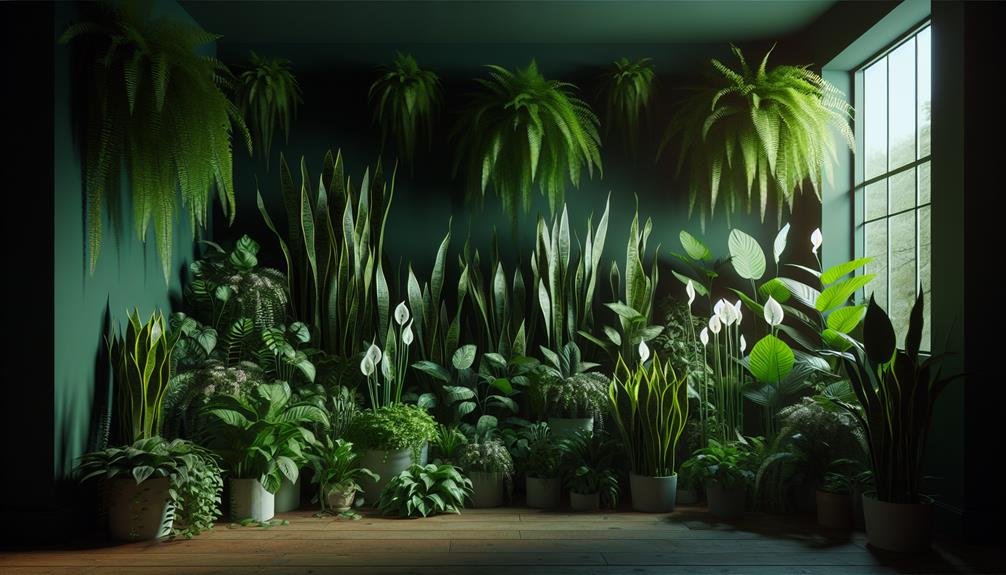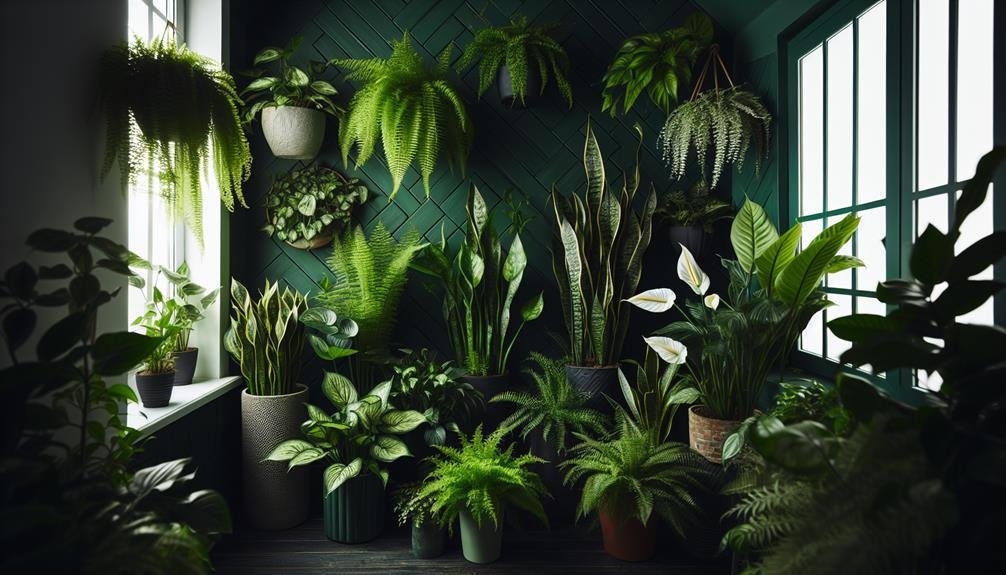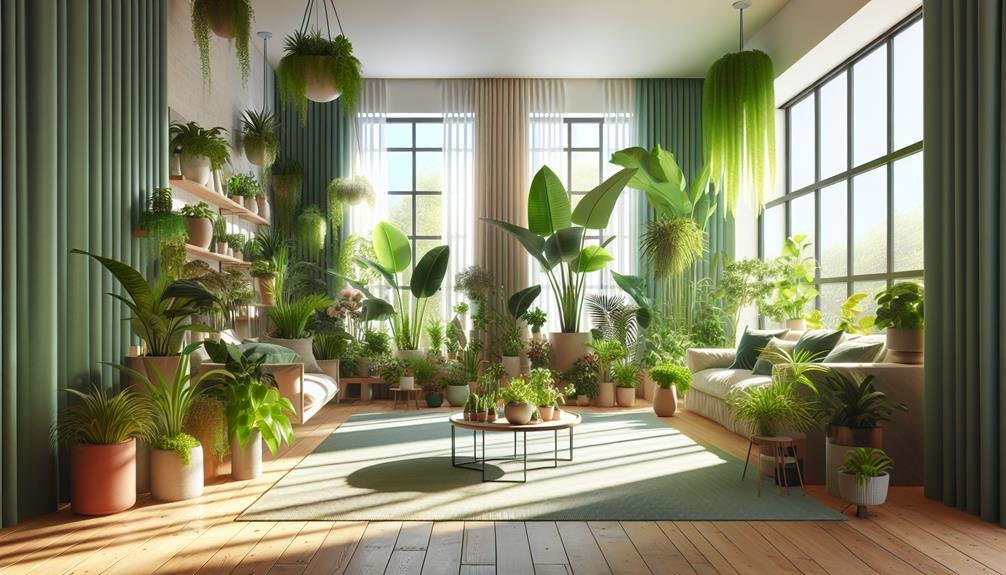
Imagine transforming your living space into a lush oasis where vibrant green leaves cascade elegantly.
You've decided to bring nature indoors, but where do you start? Discover the secrets to cultivating a thriving indoor garden with ease.
Explore the top 5 beginner-friendly plants that will not only brighten your home but also purify the air.
Master essential care tips and learn how to troubleshoot common plant issues to ensure your green companions flourish.
Are you ready to embark on this rewarding journey of nurturing greenery within your home?
Benefits of Indoor Plants
Indoor plants offer numerous benefits, making them a great addition to any living space. Not only do they add a touch of nature to your home, but they also improve the air quality by reducing carbon dioxide levels and increasing humidity. Plants like spider plants, pothos, and peace lilies are known for their air-purifying qualities, making your indoor environment healthier for you to breathe in.
Beyond their air-cleansing abilities, indoor plants have been shown to reduce stress and boost mood. Simply being around plants can have a calming effect on your mind, helping to create a more peaceful atmosphere in your home. Caring for plants also provides a sense of purpose and accomplishment, as you watch them grow and thrive under your care.
Moreover, indoor plants can enhance your focus and productivity. Studies have indicated that having plants in your workspace can improve concentration and creativity. Whether you place them in your home office or study area, having greenery around can help you stay more engaged and inspired throughout the day.
Best Placement for Your Plants
To maximize the benefits of your indoor plants, consider placing them in locations that receive adequate sunlight and proper ventilation. Sun-loving plants like succulents and cacti thrive in bright, indirect light, so aim to position them near a south-facing window. For plants that prefer low light, such as peace lilies or snake plants, areas with east or north-facing windows are ideal. Keep in mind that rotating your plants every few weeks can help ensure even growth as they receive sunlight from different angles.
Proper ventilation is also crucial for the health of your indoor plants. Avoid placing them near air vents or drafty windows, as sudden temperature changes can stress the plants. Instead, aim for spaces with good air circulation, like rooms with ceiling fans or open windows. This will help prevent issues like mold or pests from developing.

Essential Care Tips
For optimal plant health and growth, ensure consistent watering and regular pruning. Water your indoor plants when the top inch of soil feels dry to the touch, but avoid overwatering, as this can lead to root rot. Use pots with drainage holes to prevent waterlogging. When pruning, remove dead or yellowing leaves to promote new growth and maintain the plant's shape. Dust the leaves regularly to allow better absorption of sunlight.
Additionally, provide sufficient light based on the plant's specific requirements. Most indoor plants thrive in bright, indirect light, but some may prefer low light conditions. Rotate your plants occasionally to ensure even growth on all sides. Use a well-balanced houseplant fertilizer during the growing season to support healthy development.
Monitor your plant for any signs of pests or diseases, such as yellowing leaves, sticky residue, or unusual spots. If detected, treat the issue promptly to prevent further damage. By following these essential care tips, you can help your indoor plants thrive and beautify your living space.
Top 5 Beginner-Friendly Plants
Discover five easy-to-care-for plants perfect for beginners. If you're new to plant parenting, these options are ideal for you.
- Snake Plant: Known for its durability, this plant can thrive in low light and requires minimal watering.
- Pothos: A versatile plant that can adapt to various lighting conditions and only needs occasional watering.
- Spider Plant: Great for beginners due to its ability to grow rapidly and purify the air.
- Peace Lily: With beautiful white flowers, this plant thrives in low light and humid conditions.
- ZZ Plant: Extremely low maintenance, tolerates low light, and only needs watering every few weeks.
These plants not only enhance your living space but also help improve air quality. Remember, it's essential to observe your plants and adjust care based on their specific needs.
Enjoy the journey of nurturing these green companions!
Troubleshooting Common Plant Issues
If you encounter issues with your beginner-friendly plants, knowing how to troubleshoot common problems can help ensure their healthy growth and development.
One common issue is overwatering, which can lead to root rot and yellowing leaves. To remedy this, allow the soil to dry out between waterings and adjust your watering schedule accordingly.
On the other hand, underwatering can cause wilting and dryness. If you notice these signs, increase watering frequency but ensure proper drainage to avoid waterlogging.
Another problem is inadequate lighting, often evidenced by leggy growth or pale leaves. Move your plant to a brighter location but be cautious of direct sunlight, which can scorch the leaves.
Pests like spider mites and aphids can also infest indoor plants. Use a gentle insecticidal soap or neem oil to control these pests while keeping your plant isolated to prevent the infestation from spreading.
Frequently Asked Questions
Are There Any Specific Indoor Plants That Can Help Improve Air Quality in My Home?
Yes, there are specific indoor plants that can help improve air quality in your home.
These plants not only add a touch of nature to your indoor space but also act as natural air purifiers.
They help remove toxins and pollutants from the air, creating a healthier environment for you.
Consider adding plants like snake plants, spider plants, or peace lilies to your home to breathe cleaner air.
How Can I Prevent My Indoor Plants From Attracting Pests?
To prevent indoor plants from attracting pests, make sure to regularly inspect them for any signs of bugs or diseases. Keep your plants clean by wiping the leaves and removing any dead or decaying matter.
Avoid overwatering, as this can create a hospitable environment for pests. If you notice any pests, promptly treat them with natural remedies or insecticidal soap to keep your plants healthy and pest-free.
Can I Mix Different Types of Indoor Plants in the Same Pot?
Yes, you can mix different types of indoor plants in the same pot. However, ensure they've similar light, water, and soil requirements.
By combining plants with matching needs, you create a harmonious environment that promotes growth and reduces the risk of one plant overpowering the others.
Research the specific care guidelines for each plant to ensure they thrive together in the shared space.
Enjoy creating your unique indoor plant arrangement!
What Are Some Creative Ways to Display Indoor Plants in My Home?
When looking to display indoor plants creatively in your home, consider hanging planters to add a touch of greenery to your ceilings. You can also use wall-mounted shelves to create a vertical garden. Grouping plants of varying heights and sizes together can provide an aesthetically pleasing display. Utilize decorative pots or baskets to enhance the visual appeal of your plants. Don't forget to rotate them periodically to ensure even growth and sunlight exposure.
This approach allows for a varied and visually appealing indoor plant display. Make sure to consider factors like lighting and watering needs when arranging your plants. Remember to maintain a balance between aesthetics and practicality to create a harmonious indoor garden space.
Are There Any Indoor Plants That Are Safe for Pets to Be Around?
When it comes to pets, safety is key. You want to ensure that your indoor plants are pet-friendly.
Some indoor plants that are safe for pets to be around include spider plants, Boston ferns, and African violets. These plants are non-toxic and won't harm your furry friends if they decide to take a nibble.
It's always a good idea to double-check the safety of any plant before introducing it into your home.
Conclusion
Overall, bringing indoor plants into your home is a great way to add a touch of nature and improve air quality.
By choosing beginner-friendly plants and following essential care tips, you can easily incorporate thriving greenery into your space.
Remember to place your plants in the right spot, provide them with proper care, and troubleshoot any issues that may arise.
With a little love and attention, your indoor plants will flourish and bring joy to your home.