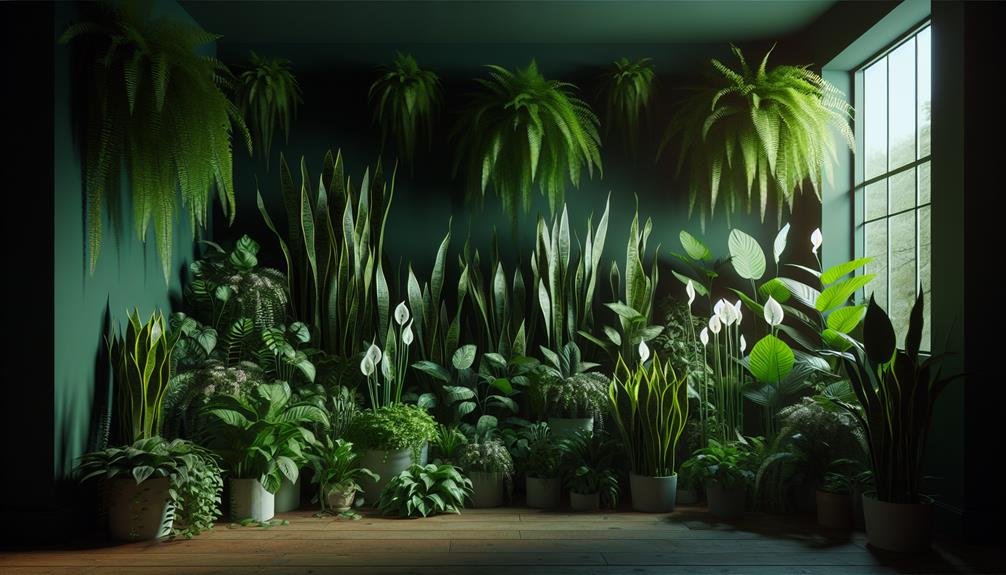
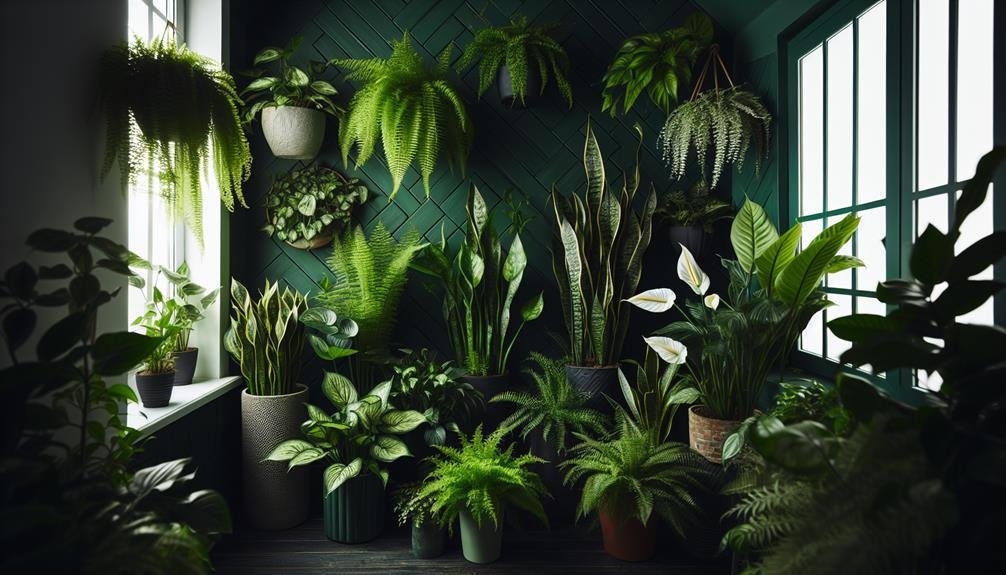
Looking to bring a touch of greenery into your living space without the hassle of constant care and attention? Discover the top 5 low-maintenance indoor plants that even beginners can keep thriving.
From the resilient succulents to the elegant snake plants, these green companions offer more than just aesthetics. Want to know which one can survive your forgetfulness when it comes to watering? Stay tuned to find out the best pick for your busy lifestyle.
Succulents
Are you wondering which low-maintenance indoor plants are perfect for beginners? If so, succulents are an excellent choice. These hardy plants come in a variety of shapes, sizes, and colors, making them a versatile and visually appealing addition to any indoor space. One of the key benefits of succulents is their ability to store water in their leaves, allowing them to thrive even if you forget to water them for a few days.
Succulents require minimal attention, making them ideal for those new to plant care. They prefer bright, indirect light and well-draining soil. Overwatering is one of the most common mistakes people make with succulents, so be sure to let the soil dry out completely between waterings.
Whether you opt for a classic aloe vera plant or a trendy echeveria, succulents are sure to bring a touch of nature into your home without demanding too much of your time and effort. Give these low-maintenance plants a try, and enjoy watching them thrive with minimal intervention.
Snake Plants
With their striking appearance and air-purifying qualities, snake plants are a popular choice for beginners seeking low-maintenance indoor plants. These plants, also known as Sansevieria, come in various shapes and sizes, making them versatile for different spaces in your home. One of the key benefits of snake plants is their ability to thrive in low light conditions, requiring minimal attention to flourish.
Snake plants have a unique growth pattern, with leaves that grow upright and resemble the shape of a sword. Their architectural look adds a touch of modern elegance to any room. When it comes to care, snake plants are forgiving and can withstand irregular watering schedules. This makes them ideal for those who may forget to water their plants regularly.
In addition to their aesthetic appeal, snake plants are excellent air purifiers, removing toxins such as formaldehyde and benzene from the air. This added benefit contributes to a healthier indoor environment, making snake plants a practical and visually appealing choice for beginners looking to bring some greenery into their homes.
ZZ Plants
ZZ Plants, also known as Zamioculcas Zamiifolia, are an excellent choice for beginners due to their resilience and low maintenance requirements. These plants thrive in various lighting conditions, from low light to bright indirect light, making them versatile for different indoor environments. ZZ Plants have thick, waxy leaves that store water, allowing them to withstand periods of neglect and requiring minimal watering.
To care for ZZ Plants, simply water them when the soil is completely dry, typically every 2-3 weeks. These plants are forgiving if you forget a watering session now and then. ZZ Plants are also resilient to pests and diseases, further reducing the maintenance they require. Their slow growth means you won't have to worry about frequent repotting or extensive pruning.

In addition to being low maintenance, ZZ Plants are excellent air purifiers, helping to improve indoor air quality. Their attractive glossy foliage adds a touch of greenery to any space without demanding too much attention. Consider adding a ZZ Plant to your indoor plant collection for a hassle-free and visually appealing plant companion.
Pothos
Pothos, a popular choice for beginners, is a versatile and easy-to-care-for indoor plant. This plant thrives in various light conditions, from low light to bright, indirect light, making it suitable for almost any room in your home. Pothos requires minimal watering; simply allow the soil to dry out between waterings to prevent overwatering, which can lead to root rot.
One of the best features of Pothos is its ability to purify the air by removing toxins such as formaldehyde and benzene, promoting a healthier indoor environment for you and your family. This plant also has trailing vines that can grow quite long, adding a touch of greenery to high shelves or hanging baskets.
To care for your Pothos, occasional pruning can help maintain its fullness and encourage new growth. Simply trim any leggy vines to promote bushier growth. With its low maintenance requirements and air-purifying qualities, Pothos is an excellent choice for beginner indoor gardeners looking to add some greenery to their space.
Spider Plants
Spider plants, known for their air-purifying qualities and easy care, are a great choice for beginner indoor gardeners. These resilient plants are characterized by their long, slender leaves that gracefully arch down, creating a cascade of greenery that adds a touch of elegance to any space. One of the most appealing features of spider plants is their ability to thrive in various conditions, making them ideal for those who may not have a green thumb yet.
When caring for spider plants, remember to place them in indirect sunlight and water them moderately, allowing the soil to dry out between waterings to prevent root rot. These plants are forgiving and can bounce back from slight neglect, making them perfect for beginners who are still learning the ropes of indoor gardening. Additionally, spider plants produce offshoots called 'spiderettes' that can be propagated to grow new plants, adding a fun and interactive element to your plant care routine.
With their low maintenance requirements and air-purifying benefits, spider plants are sure to be a delightful addition to your indoor garden.
Frequently Asked Questions
Can These Low-Maintenance Indoor Plants Survive in Low Light Conditions?
Yes, these low-maintenance indoor plants can indeed survive in low light conditions. They're resilient and adaptable, requiring minimal attention to thrive.
Even in areas with limited sunlight, these plants can still grow and bring greenery into your space.
With proper care and occasional watering, they'll continue to flourish and add a touch of nature to your home, even in less than ideal lighting conditions.
How Often Should I Water These Plants in Order to Keep Them Healthy?
To keep your plants healthy, water them according to their specific needs. Overwatering can harm the roots, while underwatering can cause wilting. Make sure to check the soil moisture levels before watering.
Generally, it's better to underwater than overwater, as most low-maintenance plants can handle some dry spells. Adjust the watering frequency based on the plant's response and environmental conditions to ensure their well-being.
Are These Plants Safe for Pets Such as Cats and Dogs?
Pets such as cats and dogs may be curious about indoor plants. It's important to ensure the safety of your furry friends by choosing non-toxic plants.
Keep in mind that some indoor plants can be harmful if ingested by pets. Research pet-safe plants or consult with a veterinarian to make sure the plants you choose are safe for your beloved animals.
Taking precautions will help keep your pets healthy and happy.
Can These Plants Be Placed in the Bathroom Where There Is High Humidity?
Yes, these plants can be placed in the bathroom where there's high humidity. They thrive in such environments and will appreciate the moisture in the air. Just make sure they still receive adequate light for growth.
Remember to adjust watering frequency as needed, as high humidity can impact the plant's water needs.
Enjoy adding some greenery to your bathroom space!
What Are Some Common Pests That May Affect These Indoor Plants and How Can They Be Treated?
Common pests that may affect indoor plants include aphids, spider mites, and fungus gnats.
To treat these pests, you can use insecticidal soap, neem oil, or introducing natural predators like ladybugs.
Regularly inspect your plants for any signs of infestation and take action promptly.
Remember to isolate affected plants to prevent the spread of pests to other plants.
With diligence and care, you can keep your indoor plants healthy and pest-free.
Conclusion
In conclusion, when it comes to choosing low-maintenance indoor plants for beginners, succulents, snake plants, ZZ plants, pothos, and spider plants are your best bet.
These plants require minimal care and are perfect for those just starting out with indoor gardening.
With the right amount of light, water, and occasional pruning, these plants will thrive in your home with little effort on your part.
Happy planting!