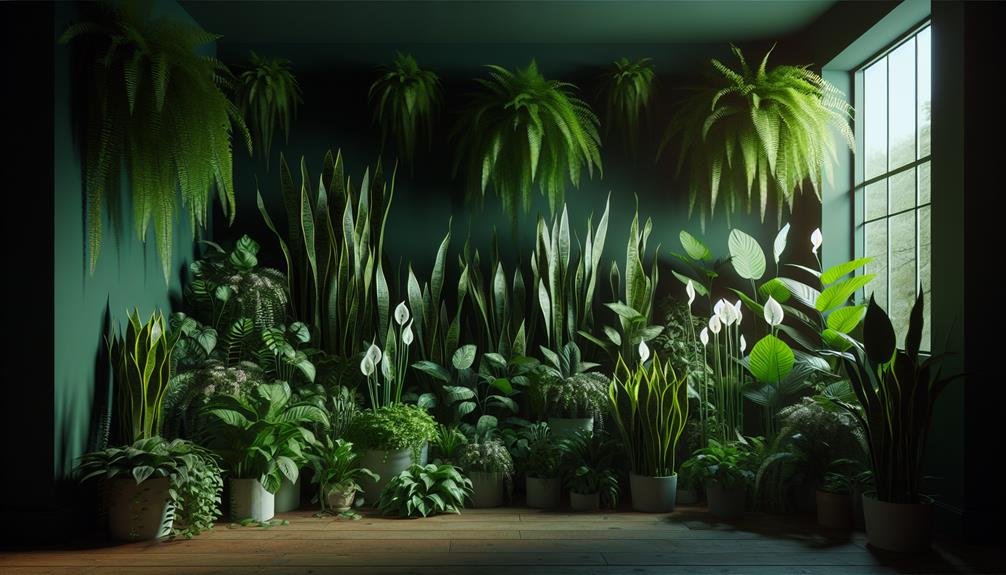
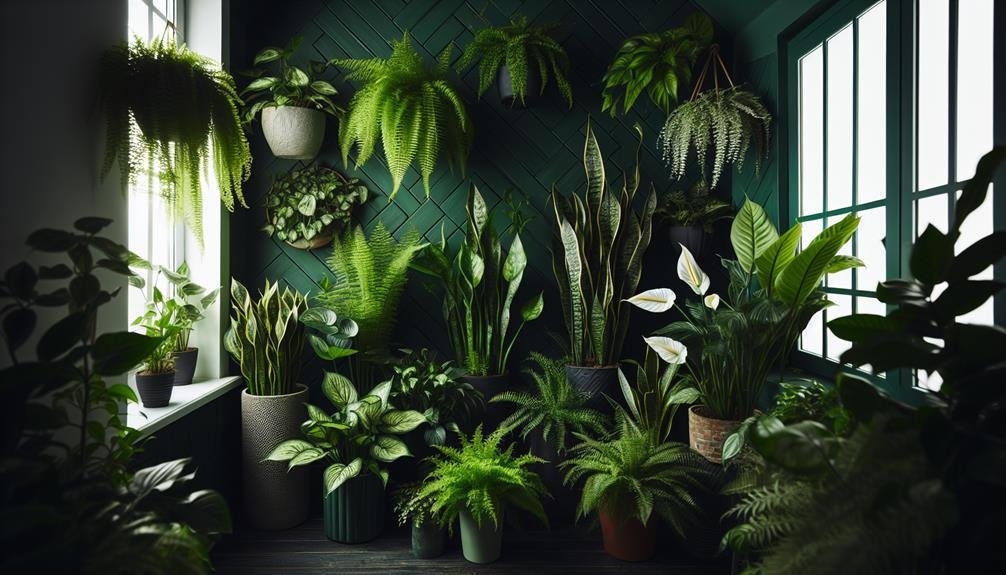
When dipping your toes into the world of gardening, starting with small houseplants is like testing the waters before taking the plunge into the deep end of cultivating a full-fledged garden. But why stop there? Small houseplants offer more than just a stepping stone; they provide a myriad of benefits that can pave the way for a successful gardening journey.
So, as you consider your options for green companions, keep in mind the unique advantages that small houseplants can offer, making them an ideal choice for beginners looking to nurture their green thumbs.
Benefits of Small Houseplants
Discover the joy of caring for small houseplants, as they bring a touch of nature and tranquility into your living space. Having small houseplants around not only enhances the aesthetic appeal of your home but also offers numerous benefits for your well-being. These plants are known to purify the air by absorbing toxins and releasing fresh oxygen, creating a healthier indoor environment for you to thrive in.
In addition to their air-purifying qualities, small houseplants can also boost your mood and reduce stress levels. The simple act of tending to these plants, watering them, and watching them grow can be incredibly therapeutic. They provide a sense of accomplishment as you witness their growth and development, fostering a deeper connection to nature within the confines of your home.
Furthermore, small houseplants require minimal space and maintenance, making them perfect for beginners or individuals with busy schedules. Their compact size allows you to place them in various locations, from shelves to desks, adding a pop of greenery to any room effortlessly. Start your journey with small houseplants today and reap the benefits of a greener, more serene living environment.
Easy Maintenance Tips
Enhance your small houseplant experience by mastering some easy maintenance tips that will keep your green companions thriving and vibrant.
First, ensure your plants receive adequate sunlight. Most small houseplants thrive in indirect light, so place them near a window but out of direct sunlight to prevent burning.
Watering is crucial but can be tricky; remember that overwatering is often more harmful than underwatering. Stick your finger in the soil; if it's dry an inch down, it's time to water.
Fertilize your plants occasionally to provide essential nutrients, but be cautious not to over-fertilize.
Keep an eye out for pests like spider mites or mealybugs, especially in the nooks and crannies of your plants. If you spot any, gently wipe the leaves with a damp cloth.

Lastly, don't forget to rotate your plants occasionally to ensure even growth on all sides.
Space-Saving Solutions
Maximize your small living space with clever solutions for housing your houseplants. When dealing with limited space, think vertically. Consider installing floating shelves or hanging planters to create a green oasis without taking up valuable floor space.
Utilize windowsills by placing compact plants in small pots or using suction cup planters to attach them directly to the window. Another space-saving trick is to opt for trailing plants like pothos or spider plants that can be placed on high shelves or in hanging planters to add greenery without cluttering surfaces.
Additionally, investing in a tiered plant stand allows you to display multiple plants in a compact footprint. For a mobile solution, try using a rolling plant caddy to easily move your plants around for optimal sunlight or to free up space when needed.
Essential Gardening Skills
Developing essential gardening skills involves mastering basic techniques such as proper watering, soil maintenance, and pest control. Watering your plants correctly is crucial for their health. Overwatering can lead to root rot, while underwatering can cause wilting and stunted growth. Ensure the soil is moist but not waterlogged by checking the plant's specific requirements.
Additionally, understanding soil maintenance is essential. Different plants thrive in various soil types, so it's vital to use the right mix for your houseplants. Regularly inspect the soil for compactness and drainage to maintain optimal growing conditions.
Pest control is another key skill to develop. Keep an eye out for common pests like spider mites or aphids, which can harm your plants. Implement preventive measures such as regular cleaning and proper plant care to deter infestations. By honing these fundamental gardening skills, you'll set a strong foundation for successfully caring for your small houseplants.
Perfect for Beginner Gardeners
Mastering basic gardening skills sets the foundation for beginner gardeners to successfully care for their small houseplants. Small houseplants are perfect for you as a beginner because they're less intimidating and easier to manage compared to larger plants. These petite plants require minimal maintenance, making them ideal for those who are just starting their gardening journey. With small houseplants, you can learn essential skills such as watering, light requirements, and basic plant care without feeling overwhelmed.
Another reason small houseplants are perfect for beginner gardeners like yourself is that they fit well in limited spaces. Whether you live in a small apartment or have limited tabletop space, these tiny plants can add a touch of greenery without taking up too much room. Their compact size also makes them easier to move around and rearrange as needed.
Frequently Asked Questions
How Often Should I Repot My Small Houseplants?
When repotting small houseplants, consider their growth rate and root bound signs. Generally, you should repot every 1-2 years to provide fresh soil and space for roots to expand.
Look for roots circling the pot or emerging from the drainage holes as indicators. Choose a pot only slightly larger than the current one to prevent overpotting.
Water thoroughly after repotting to help your plant adjust to its new home.
Are There Any Specific Pests or Diseases That Commonly Affect Small Houseplants?
When caring for small houseplants, keep an eye out for common pests like spider mites, aphids, and mealybugs. These critters can cause damage to your plants if left unchecked.
Diseases such as root rot, powdery mildew, and fungal infections are also potential threats. Regularly inspect your plants for any signs of infestation or illness, and take prompt action to treat and prevent further issues.
Can Small Houseplants Be Placed Outdoors During the Warmer Months?
During the warmer months, you can definitely place small houseplants outdoors. Just make sure to acclimate them gradually to avoid shocking them with sudden changes in light and temperature.
Find a spot with the right amount of sunlight for your specific plants, and monitor them closely for any signs of stress or pests.
Remember to bring them back indoors before temperatures drop in the evening to protect them from cooler nighttime conditions.
Are There Any Specific Watering Techniques or Schedules I Should Follow for Small Houseplants?
To care for small houseplants, water them when the top inch of soil feels dry. Check the moisture level by sticking your finger into the soil.
Ensure proper drainage by using pots with holes at the bottom. Avoid overwatering, as it can lead to root rot. Adjust your watering schedule based on factors like humidity and light levels.
Consistent watering is key to keeping your small houseplants healthy and thriving.
What Are Some Common Mistakes to Avoid When Caring for Small Houseplants?
When caring for small houseplants, it's important to avoid overwatering as it can lead to root rot. Ensure they receive enough sunlight but not too much direct light. Don't forget to check for pests regularly and address any issues promptly.
Keep an eye on the temperature and humidity levels in their environment. Lastly, be cautious with fertilizing, as too much can harm your plants.
Conclusion
So, if you're just starting out with gardening, small houseplants are the perfect choice for you. They offer numerous benefits, are easy to maintain, and require minimal space.
With a little bit of care and attention, you can develop essential gardening skills and enjoy the beauty of these plants in your home.
So don't hesitate, grab a small houseplant and start your gardening journey today!