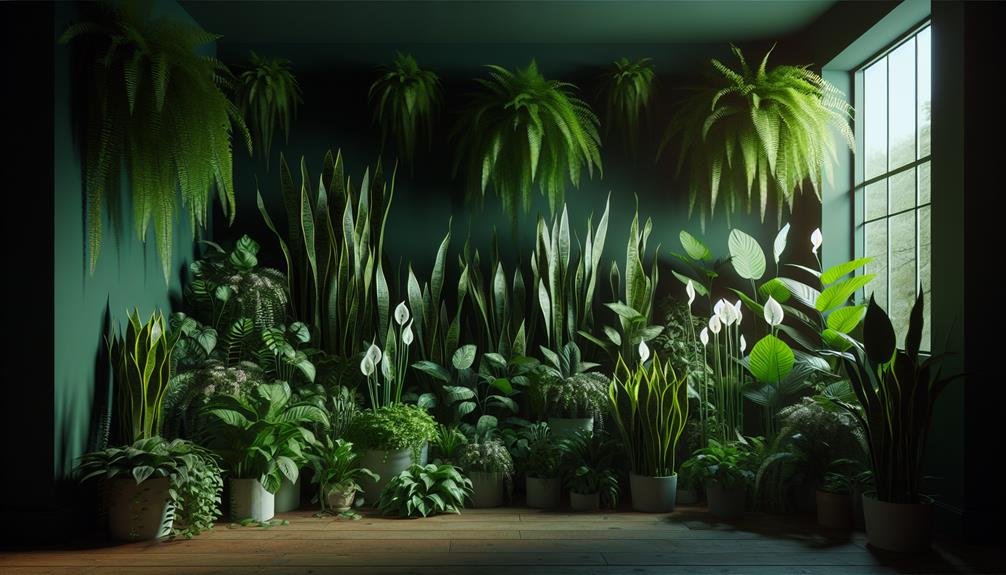
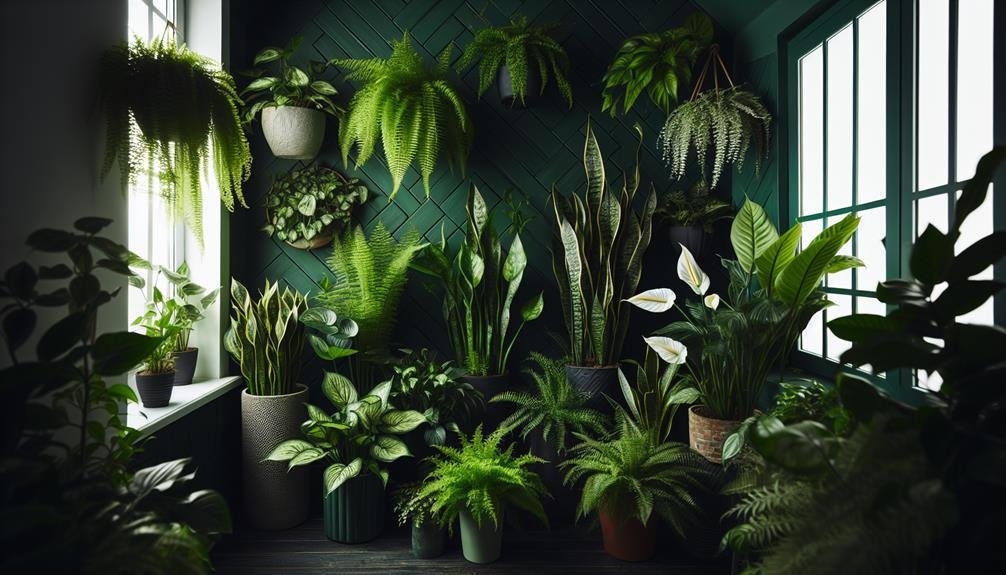
You might think that caring for plants is too time-consuming or complicated, but it doesn't have to be. Imagine having tiny green companions that effortlessly thrive in your space, adding a touch of nature to your surroundings.
With the right guidance, selecting and nurturing these tiny green friends can be a rewarding experience. As you explore the world of miniature plant life, discover the top picks that are perfect for beginners and require minimal effort to flourish, providing a sense of accomplishment and tranquility to your daily routine.
Benefits of Thriving Tiny Green Friends
If you're new to gardening, having thriving tiny green friends can bring joy and a sense of accomplishment to your space. These plants, often low-maintenance and resilient, provide a soothing presence in your home or garden. Watching them grow and flourish under your care can be incredibly rewarding.
One of the main benefits of nurturing these tiny green friends is the positive impact they've on your mental well-being. Studies have shown that interacting with plants can reduce stress, anxiety, and depression. Taking care of these plants can also help you develop a sense of responsibility and routine, promoting mindfulness and overall happiness.
Additionally, having these plants around can improve the air quality in your space by absorbing carbon dioxide and releasing oxygen. This not only enhances the ambiance of your home but also contributes to a healthier environment for you to live in.
Factors to Consider for Beginners
Considering the needs of beginner gardeners, understanding the factors for successful plant care is key to cultivating a thriving green space. As a novice gardener, it's crucial to factor in elements like sunlight, water, soil, and space when choosing plants for your green oasis.
Sunlight plays a vital role in the growth of plants, so assess the amount of sunlight different areas of your living space receive to select plants that suit those conditions. Watering needs vary among plant species, so be mindful of how much water your chosen plants require and adhere to a consistent watering schedule. Additionally, ensure you use well-draining soil to prevent waterlogging and root rot.
Consider the space you have available for gardening and choose plants that fit within that area without overcrowding. By paying attention to these factors, you set yourself up for success in nurturing your tiny green friends and creating a flourishing indoor garden.
Top 5 Easy-to-Care-for Plants
For beginner gardeners, selecting low-maintenance plants can be a game-changer in easing your journey into plant care. Here are the top 5 easy-to-care-for plants that are perfect for beginners:
- Spider Plant: Spider plants are resilient and can thrive in various conditions. They require moderate sunlight and watering only when the soil is dry.
- Pothos: Pothos plants are excellent for beginners as they can survive in low light and irregular watering. They're great for hanging baskets or as trailing plants.
- Snake Plant: Snake plants are virtually indestructible and can tolerate low light levels. They require minimal watering, making them ideal for forgetful gardeners.
- ZZ Plant: ZZ plants are known for their tolerance to neglect. They can survive with infrequent watering and low light conditions, perfect for beginners with busy schedules.
- Succulents: Succulents come in various shapes and sizes, making them visually appealing. They require minimal water and prefer bright sunlight. They're great starter plants for beginners exploring different species.
Tips for Successful Plant Care
To ensure your plants thrive, consistently monitor their sunlight, water, and soil conditions. Sunlight is crucial for photosynthesis, so place your plants where they can receive adequate light based on their specific needs.

Check the soil moisture regularly by inserting your finger into the soil; water only when the top layer feels dry. Overwatering can lead to root rot, so it's essential to find the right balance. The type of soil also matters – ensure it's well-draining to prevent waterlogging.
Consider using a balanced fertilizer to provide essential nutrients for healthy growth, but be careful not to over-fertilize, as this can harm your plants. Regularly inspect your plants for any signs of pests or diseases, and take immediate action to prevent them from spreading.
Lastly, don't forget to repot your plants when they outgrow their current containers to ensure they have enough space to continue thriving. By following these tips, you'll be well on your way to successful plant care.
Common Mistakes to Avoid
Make sure to regularly check your plants' soil moisture levels to avoid overwatering and potential root rot issues. Overwatering is one of the most common mistakes made by beginner plant enthusiasts. It's essential to let the soil dry out slightly between waterings to prevent drowning the roots.
Another mistake to avoid is placing your plants in areas with insufficient light. Different plants have varying light requirements, so it's crucial to research and place them in suitable locations to thrive.
Additionally, neglecting to dust the leaves of your plants can hinder their ability to photosynthesize efficiently. Dust blocks sunlight and reduces the plant's ability to absorb nutrients. It's important to gently wipe the leaves with a damp cloth to keep them clean.
Lastly, using the wrong type of soil can lead to drainage issues and root suffocation. Ensure you use well-draining soil that suits the specific needs of your plants to promote healthy growth.
Frequently Asked Questions
Can Thriving Tiny Green Friends Be Harmful to Pets or Young Children?
Tiny green plants can potentially pose risks to pets or young children if ingested. Some plants may be toxic, causing harm when consumed.
It's essential to research specific plant species for safety around pets and kids. Keep plants out of reach, opt for non-toxic varieties, and monitor for any signs of ingestion.
Prioritize safety by understanding potential risks and taking precautions to ensure a secure environment for your loved ones.
Is It Safe to Use Tap Water for Watering These Plants?
Yes, it's generally safe to use tap water for watering plants. However, some tap water may contain high levels of minerals or chemicals that can harm certain plants. To be safe, you can let the tap water sit out for 24 hours to allow any chlorine to dissipate.
Alternatively, consider using filtered or rainwater for watering your plants. Remember, different plants have different water needs, so it's essential to research each plant's requirements.
How Often Should I Repot My Tiny Green Friends?
When to repot your tiny green friends depends on their growth. Generally, every 1-2 years is a good rule of thumb. Look for roots peeking out of the drainage holes or if the plant seems crowded.
Spring is often a good time to repot, giving your plants a fresh start for the growing season. Choose a slightly larger pot with good drainage, fresh soil, and gently loosen the roots before placing your plants in their new home.
Are There Any Specific Pests or Diseases I Should Watch Out for With These Plants?
When caring for your plants, keep an eye out for common pests like aphids and spider mites. These critters can harm your green friends, so check your plants regularly for any signs of infestation.
To prevent diseases, avoid overwatering and ensure proper air circulation around your plants.
Can I Place My Tiny Green Friends in a Terrarium or Should They Be in Individual Pots?
You can place your tiny green friends in a terrarium or individual pots based on your preference.
Terrariums can create a lush, contained environment for your plants, but individual pots allow for more personalized care and easier maintenance.
Consider the specific needs of each plant and how you prefer to care for them when deciding between a terrarium or individual pots. Both options can work well for your tiny green friends.
Conclusion
Congratulations on choosing to embark on your plant-parenting journey! Remember, thriving tiny green friends can bring so much joy and life into your space.
By considering the factors for beginners, choosing easy-to-care-for plants, and following our tips for successful plant care, you'll be well on your way to nurturing a green oasis in your home.
Avoiding common mistakes will ensure your plants stay healthy and happy.
Happy planting!