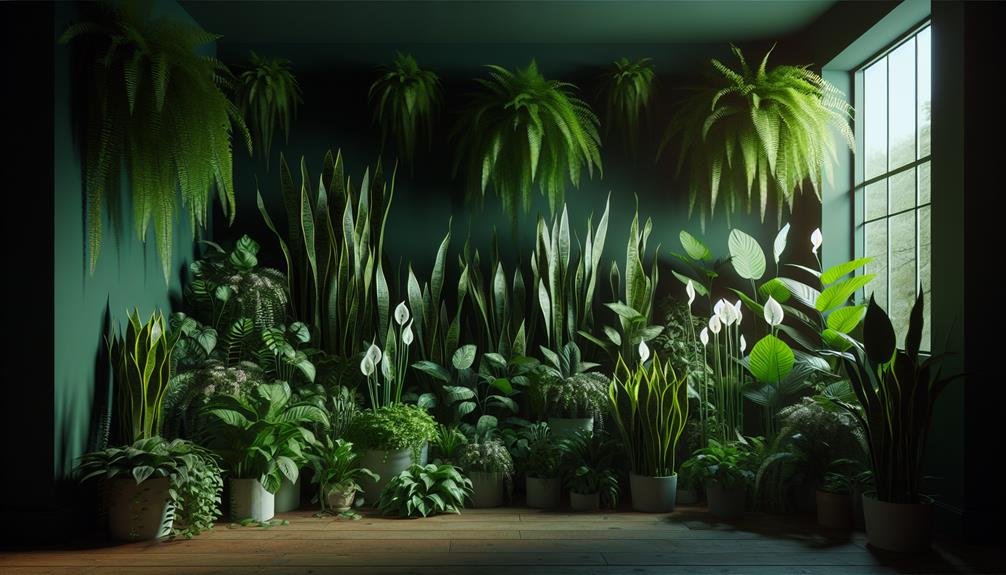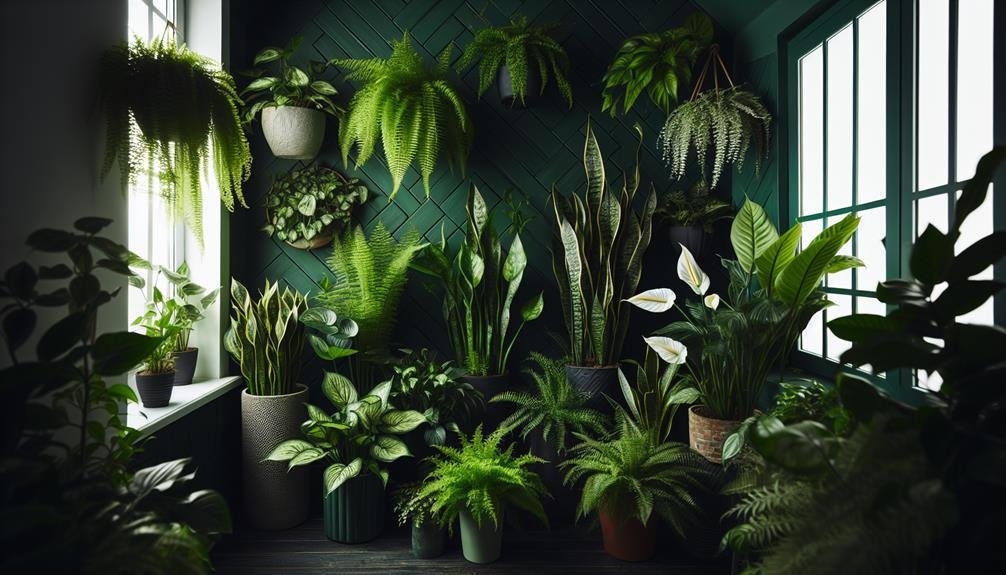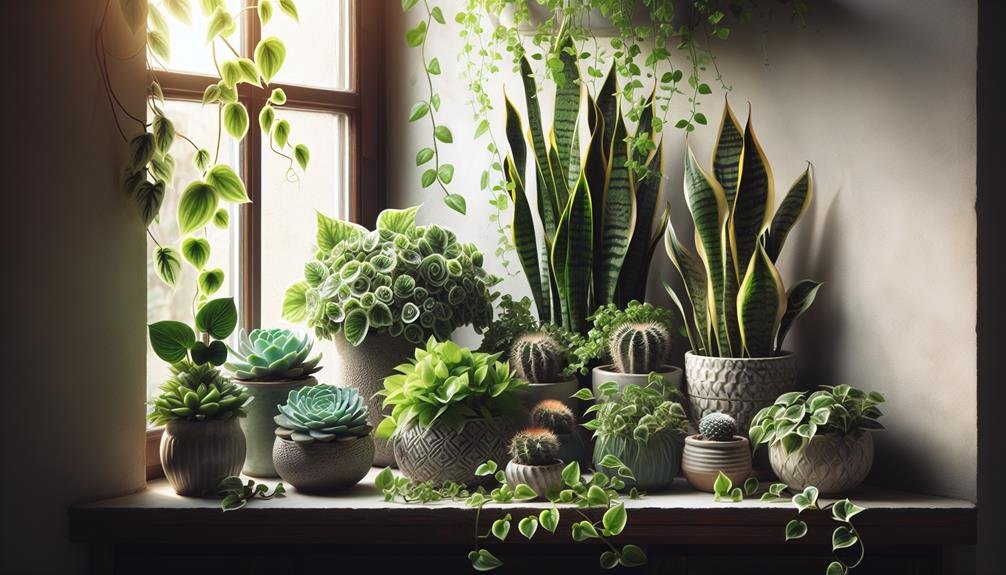
Embarking on the journey of nurturing small houseplants is like planting seeds of tranquility in your living space. Starting with easy-to-care options can set you on the path to becoming a confident plant parent.
Imagine waking up to the lush greenery that requires minimal effort but offers maximum aesthetic appeal. These small houseplants not only brighten up your home but also provide a sense of accomplishment with their simple care routines.
Stay tuned to discover which green companion best suits your beginner-level gardening aspirations.
Succulents
If you're new to caring for houseplants, succulents are a great choice due to their low maintenance requirements. These hardy plants come in a variety of shapes, sizes, and colors, making them a versatile addition to any indoor space. Succulents are known for their ability to store water in their leaves, allowing them to thrive in dry conditions and requiring minimal watering compared to other houseplants.
To care for succulents, place them in a sunny spot where they can receive at least six hours of sunlight per day. When watering, it's essential to let the soil dry out completely between waterings to prevent root rot. Overwatering is a common issue with succulents, so it's crucial to err on the side of underwatering to keep these plants healthy.
Succulents are also easy to propagate, making them a fun option for beginners looking to expand their plant collection. By taking a leaf or cutting from a mature plant and following simple propagation steps, you can grow new succulents to enjoy or share with friends.
Spider Plants
Considering your success with succulents, let's now explore Spider Plants, another beginner-friendly houseplant option that you'll enjoy caring for. Spider Plants, scientifically known as Chlorophytum comosum, are renowned for their air-purifying qualities and resilience, making them an excellent choice for novice plant parents. These plants feature long, arching leaves that are typically green with white stripes, adding a touch of elegance to any space.
Spider Plants thrive in moderate to bright indirect light but can also tolerate low light conditions, making them versatile for various environments in your home. When it comes to watering, allow the soil to dry out between waterings to prevent root rot, typically every one to two weeks depending on the humidity levels in your home. These plants prefer well-draining soil and benefit from occasional fertilization during the growing season to support healthy growth.
One of the most appealing aspects of Spider Plants is their ability to produce baby plantlets, also known as spiderettes, which dangle from the mother plant like spiders on a web. You can propagate these spiderettes easily by placing them in water or soil, expanding your plant collection effortlessly. With minimal care requirements and a unique growth habit, Spider Plants are sure to be a delightful addition to your indoor garden.
Pothos
Pothos, a popular choice for beginner plant enthusiasts, thrives in a variety of indoor environments due to its low maintenance requirements. This versatile plant can tolerate low light conditions, making it perfect for offices or rooms with minimal sunlight. Pothos, also known as Devil's Ivy, features heart-shaped leaves that come in various shades of green, adding a touch of natural beauty to any space.

One of the key advantages of caring for a Pothos plant is its resilience to occasional neglect. Watering your Pothos every 1-2 weeks is usually sufficient, making it a forgiving plant for those new to indoor gardening. Ensure the soil is well-draining to prevent overwatering, which can lead to root rot.
Propagation of Pothos is simple and rewarding. You can easily grow new plants from cuttings in water or soil, expanding your indoor garden effortlessly. With minimal effort and maximum impact, Pothos is a must-have for beginners looking to enhance their living or working spaces with vibrant greenery.
Peace Lily
Moving on from Pothos, another fantastic option for beginner plant enthusiasts is the Peace Lily. Peace Lilies are known for their elegant, deep green leaves and beautiful white flowers. One of the best things about Peace Lilies is their ability to thrive in low light conditions, making them perfect for offices or rooms with few windows.
When it comes to caring for your Peace Lily, remember to water it consistently. These plants will droop when they need water, but quickly perk back up once they're hydrated. It's essential to let the soil dry out slightly between waterings to prevent overwatering. Peace Lilies also appreciate high humidity, so misting them occasionally can help keep them happy.
Another benefit of Peace Lilies is their air-purifying properties. These plants can help remove harmful toxins from the air, creating a healthier indoor environment for you. With a little care and attention, your Peace Lily will reward you with its stunning foliage and blooms.
ZZ Plant
The ZZ Plant is a low-maintenance houseplant that's perfect for beginners looking to add some greenery to their indoor space. With its waxy, shiny leaves and upright growth habit, the ZZ Plant can thrive in various lighting conditions, making it a versatile choice for any room in your home. This plant is extremely forgiving, tolerating low light, infrequent watering, and neglect.
One of the key benefits of the ZZ Plant is its ability to purify the air by removing toxins like xylene, toluene, and benzene. This makes it not only a beautiful addition to your decor but also a functional one that promotes a healthier indoor environment.
To care for your ZZ Plant, place it in indirect light and water it only when the soil is completely dry. Overwatering is the most common mistake with this plant, so it's better to let it dry out between waterings. With minimal effort, you can enjoy the beauty of the ZZ Plant in your home while reaping its air-purifying benefits.
Frequently Asked Questions
Can I Keep These Small Houseplants in Low Light Conditions?
You can keep these small houseplants in low light conditions, but they may not thrive as well as they would in brighter light. Some plants can tolerate low light, but they might grow slower and have less vibrant colors.
Consider rotating them to get some indirect sunlight and keep an eye on their growth. Overall, with proper care and attention, your plants should still be able to survive in low light conditions.
How Often Should I Water These Houseplants?
You should water these houseplants about once a week, but make sure to check the soil's moisture level before watering. Stick your finger about an inch down into the soil—if it's dry, it's time to water.
Remember not to overwater; most small houseplants prefer slightly drier conditions. Consistent watering schedules will help your plants thrive without risking root rot.
Enjoy caring for your new green friends!
Do These Plants Require Any Specific Type of Soil?
When caring for these plants, keep in mind that they do require specific types of soil. Opt for well-draining soil mixes to prevent waterlogging, which can harm the roots.
Look for potting mixes designed for indoor plants or succulents, as they provide the right balance of nutrients and aeration. Remember, the right soil can make a big difference in the health and growth of your plants.
Are These Houseplants Safe for Pets, Such as Cats and Dogs?
When choosing houseplants for your home, it's important to consider if they're safe for your pets, like cats and dogs. Some plants can be toxic to animals if ingested.
Before bringing any new plant home, make sure to research if it's safe for your furry friends. It's always better to be cautious and choose pet-friendly plants to keep your pets safe and your home green and lively.
Can These Plants Be Placed in Hanging Pots or Should They Be Kept on a Flat Surface?
You can definitely place these plants in hanging pots if you prefer. They can look lovely hanging near windows or from the ceiling, adding a nice touch to your space. Just make sure the pot has proper drainage to avoid overwatering.
If you decide to keep them on a flat surface instead, choose decorative pots that match your style and home décor. Either way, these plants will thrive with a little care and attention.
Conclusion
Overall, small houseplants are a great choice for beginners because they're low-maintenance and easy to care for.
Succulents, spider plants, pothos, peace lilies, and ZZ plants are all excellent options that can thrive with minimal effort.
With a little bit of water, sunlight, and love, you can enjoy the beauty of these plants in your home without feeling overwhelmed.
Happy planting!