When it comes to tiny plants, the saying 'small but mighty' truly applies. These petite beauties pack a punch in terms of aesthetic appeal and ease of care.
Curious to know how these little wonders can bring big success to your green thumb endeavors? Stay tuned to uncover the secrets behind the allure of tiny plants and how they can transform your space effortlessly.
Benefits of Tiny Plants
If you're new to gardening, opting for tiny plants can be a smart choice due to their ease of care and space-saving nature. These little wonders are perfect for beginners as they require less maintenance compared to larger plants. With tiny plants, you won't have to worry about extensive pruning or complicated watering schedules. They're often more forgiving if you forget to water them occasionally, making them ideal for those just starting out on their gardening journey.
Another benefit of tiny plants is their space-saving quality. Whether you live in a small apartment or have limited outdoor space, these plants can thrive in tiny pots or even in vertical gardens. You can place them on windowsills, desks, or hang them from the ceiling, adding a touch of greenery to your living space without taking up much room.
In addition to being easy to care for and space-efficient, tiny plants are also great for experimenting with different species without feeling overwhelmed. You can try out various types of plants to discover your preferences and hone your gardening skills while enjoying the beauty they bring to your surroundings.
Best Tiny Plants for Beginners
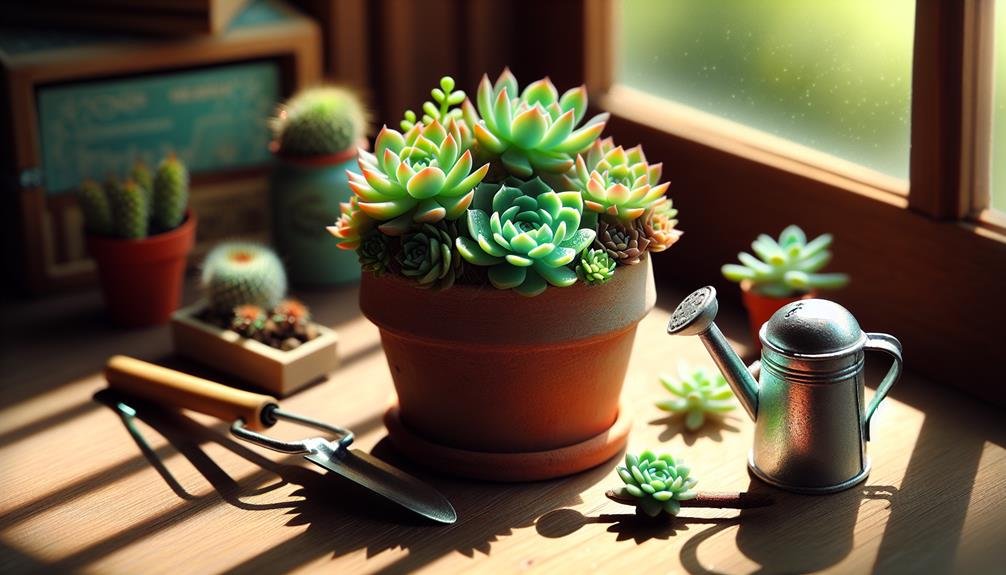
When selecting tiny plants as a beginner, focus on varieties such as succulents and air plants known for their low maintenance requirements. Succulents, like the popular Echeveria and Haworthia, thrive on neglect and require minimal watering. These plants store water in their leaves, making them resilient to occasional forgetfulness. Air plants, such as Tillandsia, are another great option for beginners. They don't need soil to grow; instead, they absorb nutrients and moisture from the air through their leaves. Their unique appearance and easy care make them a favorite among new plant enthusiasts.
Another excellent choice for beginners is the Spider Plant. This tiny plant is hardy, adaptable, and can thrive in various conditions. Spider Plants are known for their air-purifying qualities and produce small offshoots called 'spiderettes' that can be propagated into new plants.
Lastly, the Pilea Peperomioides, also known as the Chinese Money Plant, is a charming option. With its round, pancake-shaped leaves and minimal care requirements, it adds a touch of greenery to any space without demanding too much attention.
Essential Care Tips for Tiny Plants
To ensure the health and longevity of your tiny plants, it's crucial to follow specific care tips tailored to their unique needs.
Firstly, proper watering is key. Tiny plants often have delicate root systems, so be cautious not to overwater. Allow the soil to dry out slightly between waterings to prevent root rot.

Light is another essential factor. Most tiny plants thrive in bright, indirect sunlight. Place them near a window but avoid direct sun exposure, which can scorch their leaves.
Additionally, tiny plants benefit from occasional fertilization. Use a diluted, balanced fertilizer once a month during their growing season to provide essential nutrients.
Keep an eye out for pests, as tiny plants are susceptible to infestations. Regularly inspect the leaves and stems for any signs of pests like spider mites or aphids.
Lastly, ensure proper drainage by using pots with drainage holes to prevent water from pooling at the bottom, leading to root suffocation. By following these care tips, you can enjoy the beauty of your tiny plants for a long time.
Creative Ways to Display Tiny Plants
For a unique and eye-catching way to showcase your tiny plants, consider incorporating them into hanging macramé plant holders. These stylish holders not only provide a beautiful way to display your plants but also add a touch of bohemian charm to any space. You can hang them near windows to catch the sunlight or create a mini indoor garden by arranging several holders at different heights.
Another creative way to display your tiny plants is by using decorative wall shelves. These shelves come in various designs and sizes, allowing you to create a personalized plant display that complements your home decor. Arrange your tiny plants in cute pots or glass terrariums on the shelves to add a pop of greenery to your walls.
If you're looking for a more unconventional option, try placing your tiny plants in vintage teacups or small mason jars. This quirky display idea brings a whimsical touch to your space and allows you to repurpose old items in a fun and creative way. Experiment with different containers and placements to find the perfect display that suits your style.
Troubleshooting Common Issues With Tiny Plants
Having trouble with your tiny plants? Let's address some common issues and how to troubleshoot them effectively.
One common problem with tiny plants is overwatering. If you notice wilting, yellowing leaves, or soil that's constantly soggy, you might be watering your plants too much. To fix this, allow the soil to dry out between waterings and adjust your watering schedule accordingly.
Another issue is inadequate light. Tiny plants often require bright, indirect sunlight to thrive. If your plants are leggy, pale, or not growing, they mightn't be getting enough light. Consider moving them to a brighter location or supplementing with artificial grow lights.
Pests can also plague tiny plants. Keep an eye out for common pests like aphids, spider mites, and fungus gnats. If you spot any unwanted visitors, gently wash your plants with soapy water or use natural pest control methods to eliminate the infestation.
Frequently Asked Questions
How Can I Incorporate Tiny Plants Into My Existing Home Decor Style?
To incorporate tiny plants into your existing home decor style, start by selecting plants that complement your decor theme and color scheme.
Place them strategically in small pots or hanging planters around your living space.
Consider grouping them together on a shelf or windowsill for a cohesive look.
Remember to water and care for them regularly to keep them thriving in your home environment.
Enjoy the natural touch they add to your decor!
Are There Any Specific Types of Tiny Plants That Are Pet-Friendly?
When choosing tiny plants that are pet-friendly, look for options like:
- Spider plants
- Boston ferns
- Air plants
These types of plants are safe for your furry friends and can add a touch of green to your space without posing a risk to your pets.
Remember to research each plant's specific care requirements to ensure they thrive in your home environment while keeping your pets safe.
Can Tiny Plants Be Grown Outdoors in Different Climates?
Yes, tiny plants can thrive outdoors in various climates. Factors like sunlight, water, and temperature play crucial roles in their growth.
Understanding your plant's specific needs and adapting care routines accordingly is key. Researching your plant species and matching it to your climate zone will help ensure successful outdoor growth.
Regular monitoring and adjusting care practices as needed will support healthy development and flourishing tiny plants in different climates.
Are There Any Potential Health Benefits to Having Tiny Plants Indoors?
Having tiny plants indoors can offer numerous health benefits. They can help purify the air by removing toxins and increasing oxygen levels. Some plants can also reduce stress, boost mood, and improve overall well-being.
Additionally, caring for plants can promote relaxation and mindfulness. So, incorporating tiny plants into your indoor space not only adds a touch of greenery but also contributes to a healthier environment for you.
What Are Some Unique Ways to Propagate and Expand My Collection of Tiny Plants?
To propagate and expand your collection of tiny plants, there are several methods you can try:
- Water propagation involves placing cuttings in water until roots develop.
- Leaf propagation entails removing a healthy leaf and planting it in soil to grow a new plant.
- Division is a method where you separate a mature plant into smaller sections and replant them.
These techniques are simple and effective ways to grow your tiny plant collection.
Conclusion
Overall, tiny plants are a great choice for beginners due to their low maintenance and ability to thrive in small spaces.
With the right care and creativity, these miniature wonders can bring a touch of greenery and joy to any home or office.
Remember to choose the best tiny plants for your skill level, follow essential care tips, and get creative with how you display them to ensure their success in your space.
Happy planting!