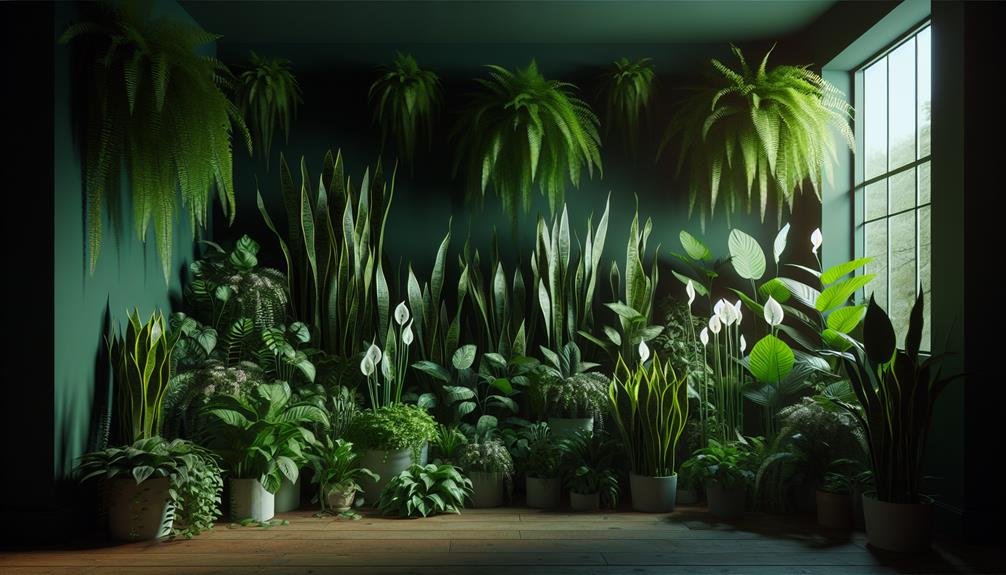
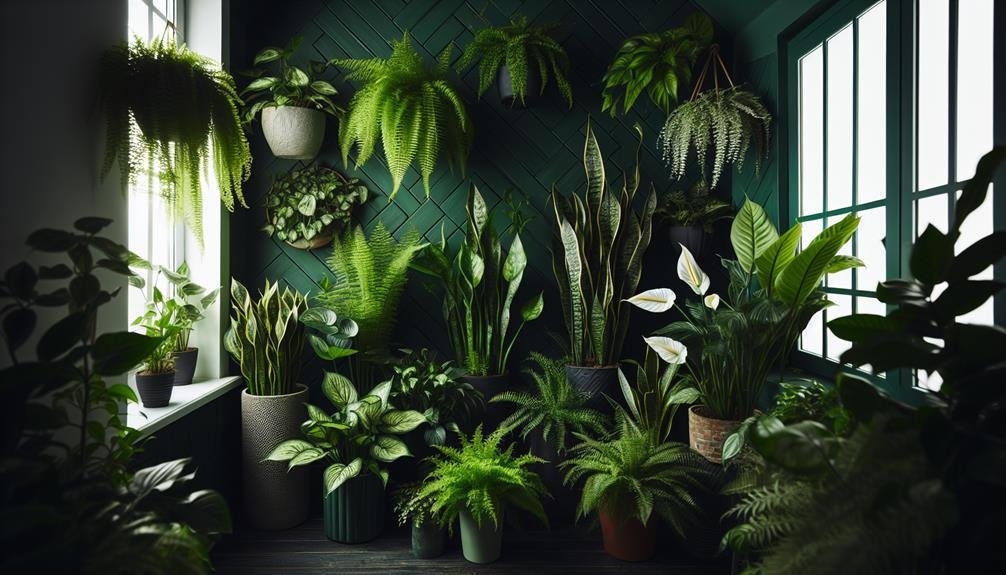
Imagine walking into your home to be greeted by lush greenery, without the stress of constant care. Low-maintenance houseplants offer a touch of nature to your space while requiring minimal effort on your part.
Curious about which plants are perfect for beginners with busy schedules? Stay tuned to discover a curated list of resilient green companions that will thrive even with your hectic lifestyle.
Benefits of Low-Maintenance Houseplants
If you're new to houseplants, opting for low-maintenance varieties can make caring for them a breeze. These plants are perfect for beginners as they require minimal attention and can thrive even if you forget to water them occasionally. Low-maintenance houseplants are resilient and forgiving, making them ideal for those with busy schedules or little gardening experience.
One of the key benefits of low-maintenance houseplants is their ability to purify the air in your home. These plants can help remove toxins and improve air quality, creating a healthier environment for you and your family. Additionally, having greenery indoors has been shown to reduce stress and boost mood, providing mental health benefits as well.
Another advantage of low-maintenance houseplants is their versatility in different lighting conditions. Whether you have a brightly lit room or a dimly lit corner, there are low-maintenance plants that can thrive in various environments. This flexibility makes it easier to find the perfect plant for any space in your home.
Best Low-Maintenance Houseplants for Beginners
For beginners looking to fill their homes with greenery that requires minimal care, consider starting with these best low-maintenance houseplants.
Spider plants are a great choice; they thrive in various lighting conditions and only need occasional watering.
Another excellent option is the pothos plant, known for its ability to purify the air and tolerate low light.
The snake plant, also called mother-in-law's tongue, is virtually indestructible and can go for weeks without water.
If you prefer flowering plants, the peace lily is an ideal pick due to its beautiful blooms and easy care requirements.

Aloe vera isn't only a trendy plant for its medicinal properties but also a hassle-free addition to your home.
Lastly, the ZZ plant is perfect for beginners as it can survive with minimal light and irregular watering. These low-maintenance houseplants are resilient, forgiving, and perfect for those new to plant care.
Tips for Caring for Low-Maintenance Houseplants
To ensure your low-maintenance houseplants thrive, consistent but minimal care is key. Water your plants only when the soil is dry to the touch, typically once a week. Overwatering can lead to root rot, so it's crucial to let the soil dry out between waterings. When you do water, make sure to do so thoroughly, allowing excess water to drain out of the pot to prevent waterlogging.
In terms of lighting, place your low-maintenance houseplants in areas with indirect sunlight. These plants generally do well in moderate to low light conditions, making them perfect for office spaces or rooms with few windows. Rotate your plants occasionally to ensure even growth on all sides.
Lastly, while low-maintenance houseplants are resilient, it's essential to keep an eye out for any signs of distress. Yellowing leaves, drooping stems, or mold on the soil are indicators that something may be amiss. By addressing these issues promptly, you can help your plants continue to thrive with minimal effort.
Ideal Environments for Low-Maintenance Houseplants
Low-maintenance houseplants thrive best in environments with consistent indirect sunlight and moderate humidity levels. Place your plants near a window where they can get bright, indirect sunlight for a few hours each day. Avoid direct sunlight, as it can scorch the leaves of many houseplants. If natural light is limited in your space, consider using grow lights to supplement.
Maintaining moderate humidity levels is crucial for the health of your low-maintenance houseplants. You can increase humidity by misting the leaves with water, placing a humidifier nearby, or grouping plants together to create a microclimate. Be cautious not to overwater your plants, as this can lead to root rot. Ensure proper drainage by using pots with drainage holes and a well-draining potting mix.
Keep your houseplants away from drafts, air conditioners, and heaters, as these can create temperature fluctuations that may stress the plants. By providing the right environment with consistent indirect sunlight and moderate humidity, you can set your low-maintenance houseplants up for success.
Troubleshooting Common Houseplant Issues
When your low-maintenance houseplants start showing signs of distress, identifying and addressing common issues promptly can help restore their health and vitality.
One common problem is overwatering, which can lead to root rot. To remedy this, allow the soil to dry out between waterings and ensure proper drainage in the pot.
On the other hand, underwatering can cause wilting and yellowing leaves. Be sure to water your plants when the top inch of soil feels dry.
Yellowing or browning leaf tips may indicate low humidity; misting the leaves or using a humidifier can alleviate this.
Pests like spider mites or aphids can also harm your plants; gently wash the leaves with soapy water to remove them.
Lastly, if your plant isn't getting enough light, consider moving it to a brighter spot.
Frequently Asked Questions
Can Low-Maintenance Houseplants Help Improve Indoor Air Quality?
Yes, low-maintenance houseplants can indeed improve indoor air quality. They naturally filter pollutants and release oxygen, creating a healthier environment for you.
Consider adding plants like spider plants, peace lilies, or snake plants to your home. These easy-to-care-for options won't only brighten up your space but also work silently to purify the air you breathe.
Are There Any Low-Maintenance Houseplants That Are Pet-Friendly?
If you're looking for pet-friendly low-maintenance houseplants, you're in luck! Some options include spider plants, air plants, and Boston ferns. These plants are safe for your furry friends and require minimal attention.
Just be sure to place them in areas where your pets can't reach them to avoid any mishaps. Enjoy the benefits of having greenery in your home without worrying about your pets' safety.
How Often Should I Repot My Low-Maintenance Houseplants?
When it comes to repotting your low-maintenance houseplants, consider checking if the roots are starting to outgrow their current container. Look for signs like roots coming out of the drainage holes or the plant becoming too top-heavy.
Generally, every 1-2 years is a good timeframe for repotting, but always monitor your plants' growth. Remember, a little bit of attention now can go a long way in keeping your green buddies happy and healthy!
Can Low-Maintenance Houseplants Thrive in Low-Light Environments?
Yes, low-maintenance houseplants can thrive in low-light environments. Some varieties like snake plants, pothos, and peace lilies are well-suited for such conditions. These plants have adapted to survive with minimal sunlight, making them ideal choices for spaces with limited natural light.
Ensure you still provide them with occasional light exposure and proper care to help them stay healthy and grow happily in your low-light setting.
Are There Any Special Considerations for Watering Low-Maintenance Houseplants During Different Seasons?
During different seasons, special considerations for watering low-maintenance houseplants are essential. Adjust your watering schedule based on the plant's needs.
In the summer, plants may require more water due to increased evaporation. Conversely, in the winter, plants may need less water as they enter a period of dormancy.
Monitor the soil moisture levels regularly and adapt your watering routine accordingly to ensure your plants thrive year-round.
Conclusion
In conclusion, low-maintenance houseplants are a great option for busy beginners looking to add some greenery to their space without the stress of high maintenance. With the right selection of plants and some basic care tips, even the busiest of individuals can enjoy the benefits of having houseplants in their home.
So go ahead, pick out a few low-maintenance plants and start enjoying the beauty and calm they bring to your space!