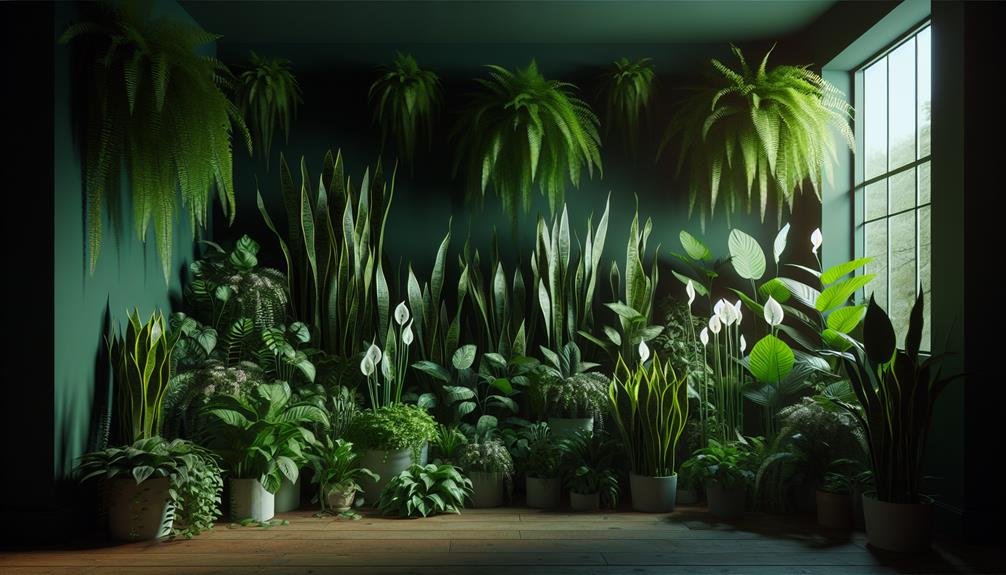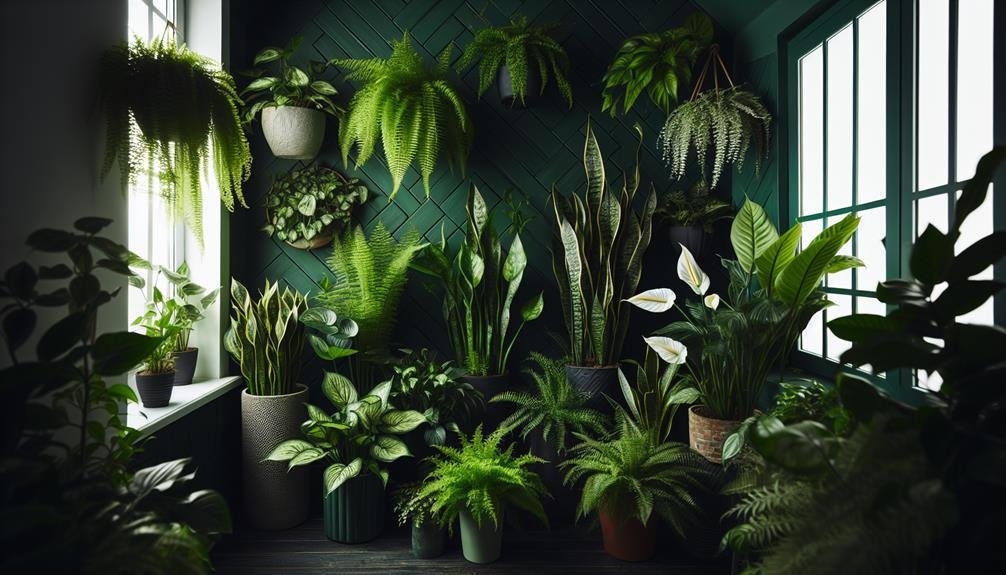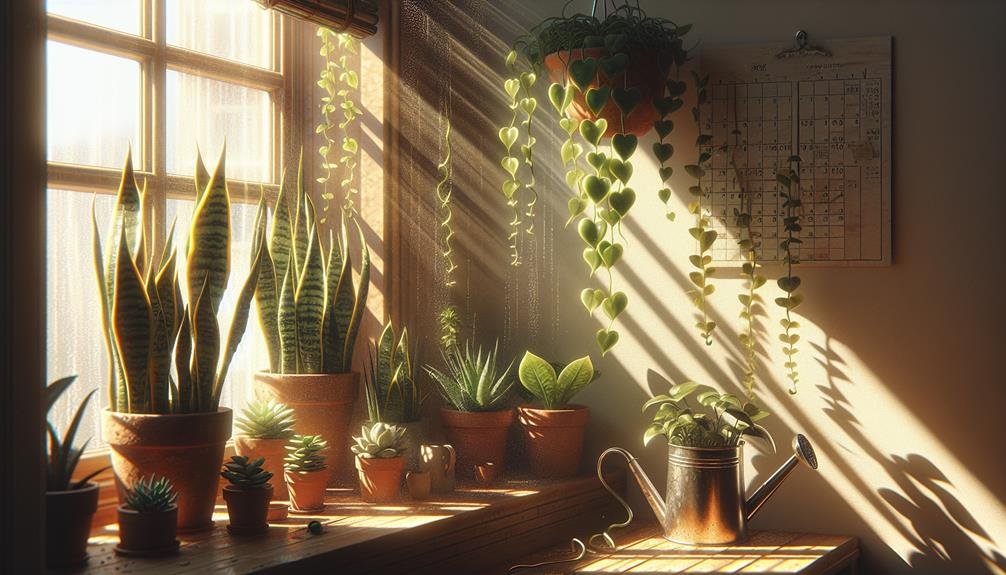
You might think having houseplants is a breeze, but then reality hits and you're left with a wilting mess. Fear not, for there are beginner-friendly houseplants out there that can survive your neglectful tendencies.
These green companions not only require minimal attention but also add a touch of nature to your living space. Stay tuned to discover which plants can thrive in your busy schedule without demanding too much of your time and effort.
Benefits of Having Houseplants
Houseplants enhance indoor air quality by reducing toxins and increasing oxygen levels. By adding green companions to your living space, you not only bring a touch of nature indoors but also actively improve the air you breathe. Plants like spider plants, pothos, and peace lilies are known for their air-purifying abilities, making them excellent choices for your home. These plants work tirelessly to remove harmful pollutants, such as formaldehyde and benzene, from the air, promoting a healthier environment for you and your loved ones.
Having houseplants can also boost your mood and reduce stress levels. The act of caring for plants can be therapeutic, offering a sense of accomplishment as you watch them grow and thrive under your care. Additionally, the presence of greenery has been linked to increased feelings of calmness and well-being. So, by incorporating houseplants into your busy schedule, you not only improve your indoor air quality but also create a more peaceful and harmonious living environment.
Factors to Consider Before Choosing
Before selecting the perfect houseplant for your home, it's essential to consider factors such as light availability, maintenance requirements, and space constraints. Light availability is crucial because different plants have varying light needs. Some thrive in bright, direct sunlight, while others prefer low-light conditions. Assess the natural light in your living space to match it with the plant's requirements for optimal growth.
Maintenance requirements are another key factor to ponder. If you have a busy schedule, you might want to choose a plant that requires minimal care and attention, such as succulents or snake plants. On the other hand, if you enjoy tending to your plants regularly, you could opt for ferns or orchids that need more hands-on care.
Space constraints should also influence your decision. Consider the size of the area where you plan to place the plant. If you have limited space, a compact plant like a pothos or a spider plant would be a great choice. However, if you have ample room, you could explore larger plants like fiddle leaf figs or rubber trees. By evaluating these factors beforehand, you can select a houseplant that suits both your lifestyle and living environment.
Top 5 Beginner-Friendly Houseplants
Considering factors like light availability, maintenance requirements, and space constraints can help you make an informed choice when selecting the top 5 beginner-friendly houseplants.
- Snake Plant: Perfect for low light conditions, the snake plant is practically indestructible. It requires minimal watering and can survive in various temperatures.
- Spider Plant: Thriving in indirect sunlight, the spider plant is easy to care for and even produces baby spider plants (spiderettes) that you can propagate.
- Pothos: This vine plant is resilient and can grow in low light. It only needs occasional watering and can be placed in various spots around your home.
- Peace Lily: With its elegant white flowers, the peace lily can brighten up any room. It prefers shade and weekly watering, making it a low-maintenance choice.
- Aloe Vera: This succulent loves sunlight and only needs occasional watering. Aloe vera not only adds greenery but also offers healing properties for minor burns and skin irritations.
Tips for Caring for Your Plants
To ensure your houseplants thrive, prioritize consistent watering and proper light exposure. Water your plants when the top inch of soil feels dry to the touch. Make sure not to overwater, as this can lead to root rot.
Different plants have varying light requirements, so place them in spots where they receive the right amount of sunlight. If your plant starts leaning towards a light source, rotate it regularly to promote even growth. Dust off your plant's leaves regularly to allow for better light absorption. Consider misting plants that require high humidity levels.

Fertilize your plants occasionally during their growing season to provide them with essential nutrients. Keep an eye out for pests like spider mites or aphids by inspecting your plants regularly. If you notice any issues, address them promptly. Finally, take the time to research each plant's specific care needs to set them up for success in your home.
Troubleshooting Common Plant Issues
Ensure your plants remain healthy by promptly addressing any common issues that may arise in their care. One common problem is overwatering, which can lead to root rot. If you notice yellowing leaves or soggy soil, scale back on watering and allow the plant to dry out.
On the other hand, underwatering can cause wilting or browning of the leaves. Check the soil moisture regularly and adjust your watering schedule accordingly.
Another issue to watch out for is inadequate light. If your plant's leaves start to yellow or it becomes leggy, try moving it to a spot with more natural light.
Pests like spider mites or aphids can also infest your plants, causing damage. Wipe down the leaves with a damp cloth or use insecticidal soap to combat these unwanted visitors.
Lastly, be mindful of temperature fluctuations, as extreme cold or heat can stress your plants. By being observant and taking quick action, you can keep your houseplants thriving and beautiful.
Frequently Asked Questions
Can Houseplants Help Improve Air Quality in a Home With Limited Ventilation?
Houseplants can indeed help improve air quality in homes with limited ventilation. They absorb carbon dioxide and release oxygen through photosynthesis, which can freshen up the air.
Additionally, certain houseplants like spider plants, peace lilies, and pothos are known for their air-purifying properties, filtering out common toxins. So, having these plants around can be beneficial for your indoor air quality, creating a healthier environment for you to breathe in.
Are There Any Houseplants That Are Safe for Pets to Be Around?
When looking for houseplants safe for pets, consider options like spider plants, Boston ferns, or African violets. These are non-toxic to cats and dogs, adding greenery without risking your pet's health.
Remember to place them out of reach to prevent nibbling. Keep your furry friends safe while enjoying the benefits of having plants indoors.
How Often Should Beginner-Friendly Houseplants Be Repotted?
When caring for beginner-friendly houseplants, repotting needs vary. Typically, aim to repot every 1-2 years to prevent root-bound plants. Signs like roots growing through drainage holes or excessive watering may indicate it's time. Choose pots one size larger and fresh soil for optimal growth.
Can Houseplants Thrive in Low-Light Conditions or Do They Require Direct Sunlight?
Houseplants can thrive in low-light conditions, but they mightn't grow as vigorously as those in direct sunlight.
Some houseplants, like snake plants and pothos, are known to do well in low-light environments.
However, if possible, try to provide your plants with some indirect sunlight to help them thrive.
Are There Any Specific Houseplants That Are Known to Be More Resilient to Neglect or Irregular Watering Schedules?
When caring for plants, you want ones that can handle a little neglect. Some houseplants are more resilient to irregular watering schedules. Look for options like snake plants, pothos, or ZZ plants.
These varieties can go longer between waterings and are more forgiving if you forget occasionally. They're great choices for beginners or those with busy schedules, as they can thrive with less attention.
Conclusion
So there you have it! Incorporating houseplants into your home can bring numerous benefits, even for those with busy schedules.
By choosing beginner-friendly plants and following some simple care tips, you can enjoy the beauty and positivity that plants bring to your space.
Remember to consider factors like lighting and watering needs, and don't hesitate to troubleshoot any issues that may arise.
Happy planting!