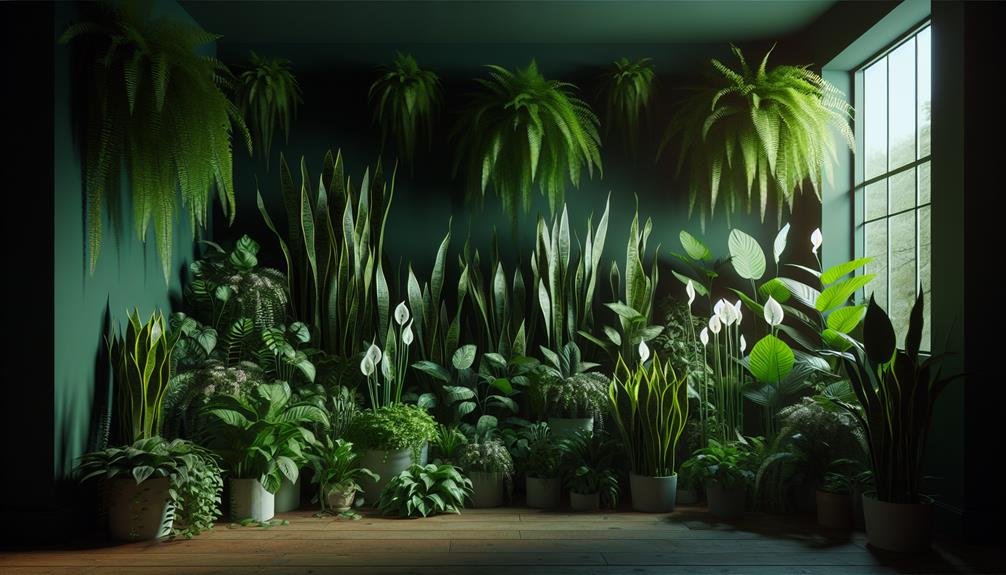
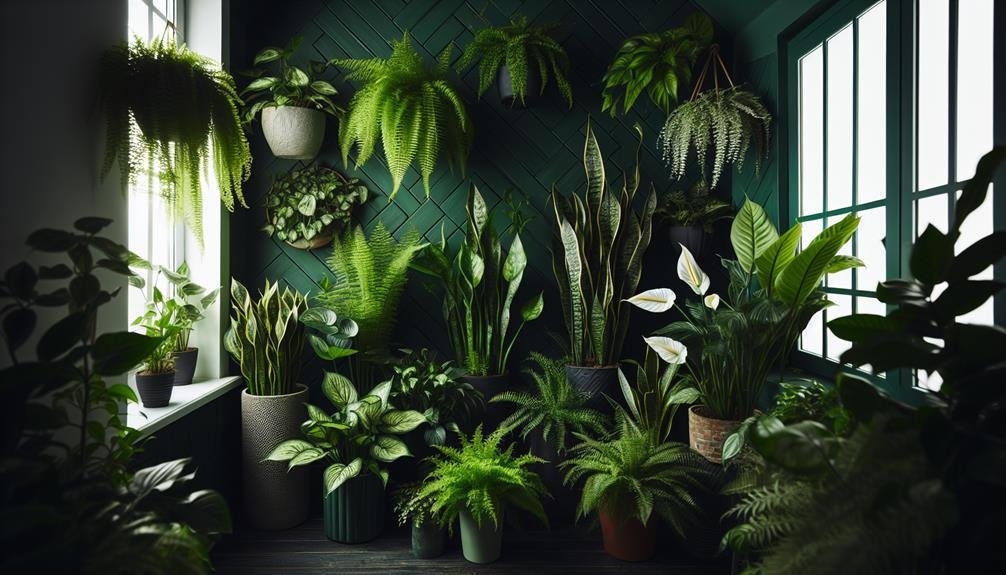
When it comes to creating a healthier indoor environment, planting air-purifying flora can be a game-changer. But, before you jump into potting soil and watering cans, there's a crucial aspect to consider – choosing the right plants for your space.
The selection process can seem daunting, but fear not, as we will guide you through the process, ensuring that your indoor garden not only thrives but also cleanses the air you breathe.
Benefits of Air-Purifying Plants
Discover how air-purifying plants can enhance your indoor environment by removing harmful toxins and improving air quality. These plants act as natural filters, absorbing pollutants like formaldehyde, benzene, and trichloroethylene, which are commonly found in indoor spaces. By incorporating air-purifying plants into your home, you can experience fresher, cleaner air, reducing the risk of respiratory issues and allergies.
Not only do air-purifying plants contribute to better air quality, but they also have psychological benefits. Studies have shown that being surrounded by greenery can improve mood, reduce stress levels, and increase productivity. The presence of plants in your living or working space can create a sense of calm and well-being, fostering a more positive atmosphere.
Additionally, air-purifying plants are relatively low maintenance, making them ideal for beginners. They require minimal attention and can thrive in various indoor conditions, providing a simple yet effective way to enhance your indoor environment. Incorporating these plants into your home not only benefits your health but also adds a touch of natural beauty to your surroundings.
Top Air-Purifying Plants for Beginners
Enhance your indoor space effortlessly by introducing these top air-purifying plants suitable for beginners. Spider plants are a great choice for novices, as they're resilient, adaptable to various light conditions, and effective at removing toxins like formaldehyde.
The peace lily is another excellent option, known for its beautiful white blooms and its ability to purify the air by eliminating common indoor pollutants. If you're looking for a low-maintenance plant, consider the snake plant, which thrives in low light and requires minimal watering.
English ivy is a versatile plant that can be grown in hanging baskets or as a climber, providing both aesthetic appeal and air-cleaning benefits. Lastly, the bamboo palm is a beginner-friendly plant that adds a tropical touch to your space while filtering out airborne impurities.
These top air-purifying plants not only brighten up your home but also contribute to a healthier indoor environment, making them perfect choices for those new to indoor gardening.
Care Tips for Indoor Air-Purifying Plants
To help your indoor air-purifying plants thrive, consistent watering, adequate sunlight, and occasional pruning are essential. Water your plants when the top inch of soil feels dry to the touch. Overwatering can lead to root rot, so ensure proper drainage in your pots. Place your plants in spots with bright, indirect sunlight. Rotate them occasionally for even growth. Dust the leaves gently to keep them clean and allow for better air purification.

Pruning is crucial for maintaining the health and appearance of your plants. Trim off any yellowing or dead leaves to promote new growth. If your plant becomes leggy, consider trimming back the stems to encourage bushier growth. Regularly inspect your plants for signs of pests, like spider mites or aphids, and take action promptly if needed. Remember to fertilize your plants occasionally, following the instructions on the fertilizer package.
Styling Your Space With Air-Purifying Plants
For a visually appealing and refreshing ambiance, consider incorporating air-purifying plants into your indoor decor. These plants not only help purify the air but also add a touch of nature to your living space. When styling your space with air-purifying plants, think about the different sizes, shapes, and colors of plants that would complement your existing decor.
One way to style your space with air-purifying plants is by creating a green corner or a plant wall. This can be achieved by grouping plants together in a visually appealing way, such as hanging planters or placing plants on shelves. Another option is to mix and match different plant varieties to create a vibrant and diverse indoor garden.
Consider adding plants with varying heights to create visual interest and depth in your space. Additionally, choosing decorative pots or planters that match your decor can enhance the overall aesthetic. Experiment with different arrangements until you find a style that suits your taste and brings a breath of fresh air to your home.
Troubleshooting Common Plant Issues
If you notice your air-purifying plants showing signs of distress, identifying and addressing common plant issues promptly is key to maintaining a healthy indoor garden.
One common issue is overwatering. Wilting, yellowing leaves, or mold growth on the soil are signs of excessive watering. Ensure proper drainage and let the soil dry out between waterings to prevent root rot. Conversely, underwatering can cause drooping, dry leaves. Check the soil moisture regularly and adjust your watering schedule accordingly.
Another common problem is inadequate light. If your plants are leggy or have pale leaves, they may not be getting enough light. Move them to a brighter spot or consider supplementing with grow lights.
Pests like aphids, spider mites, or mealybugs can also infest air-purifying plants. Inspect your plants regularly and treat infestations promptly with insecticidal soap or neem oil.
Lastly, nutrient deficiencies can manifest as yellowing or browning leaves. Consider fertilizing your plants according to their needs to ensure they receive essential nutrients for healthy growth.
Frequently Asked Questions
Can Air-Purifying Plants Help Reduce Dust in My Home?
Sure!
Air-purifying plants are great at reducing dust in your home. They work by trapping airborne particles on their leaves and in the soil, improving air quality.
Are There Any Air-Purifying Plants That Are Safe for Pets?
If you're wondering about air-purifying plants that are safe for pets, you're in luck! There are several options that can help improve indoor air quality without posing a threat to your furry friends.
Some examples include spider plants, bamboo palms, and Boston ferns. These plants not only help filter toxins from the air but are also non-toxic to pets, making them a great choice for your indoor garden.
How Often Should I Repot My Air-Purifying Plants?
When repotting your air-purifying plants, consider doing so every 1-2 years to provide them with fresh soil and more space to grow.
Keep an eye out for roots circling the container or the plant becoming root-bound.
Choose a slightly larger pot, add some fresh soil, and gently transfer the plant.
Water it thoroughly after repotting to help it settle into its new home.
Happy gardening!
Can Air-Purifying Plants Help Reduce Humidity in My Home?
Yes, air-purifying plants can indeed help reduce humidity in your home. Plants absorb moisture through a process called transpiration, which can help balance humidity levels indoors.
This natural mechanism can be a great way to combat excess moisture and create a more comfortable living environment. Consider incorporating air-purifying plants strategically throughout your home to help manage humidity levels effectively.
Are There Any Air-Purifying Plants That Are Particularly Effective at Removing Specific Indoor Pollutants, Such as Formaldehyde or Benzene?
When it comes to removing specific indoor pollutants like formaldehyde or benzene, certain air-purifying plants excel. These plants can be particularly effective at cleaning the air in your home.
Consider incorporating plants like peace lilies or spider plants, as they're known for their ability to filter out these harmful substances.
Conclusion
In conclusion, adding air-purifying plants to your indoor space is a simple and effective way to improve air quality and enhance your overall well-being.
With the right plants and a little care, you can create a healthier and more inviting environment for yourself and your loved ones.
So why wait? Start your indoor gardening journey today and reap the benefits of having beautiful and clean air in your home.
Happy planting!