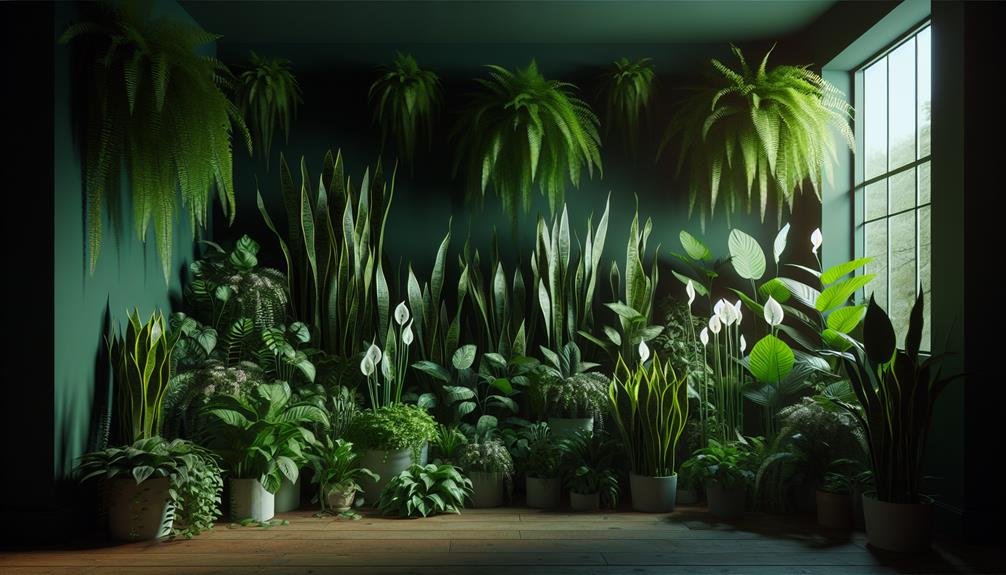
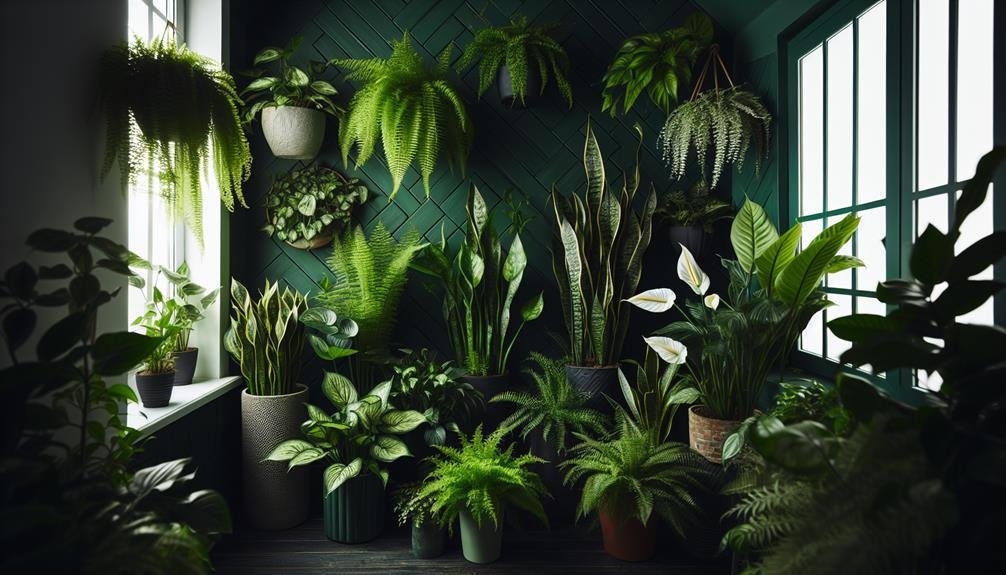
When it comes to creating a fresh and healthy indoor environment, think about bringing a touch of nature into your home. Imagine having a collection of plants that not only enhance your decor but also purify the air you breathe.
These 7 beginner-friendly air-purifying plants are not only aesthetically pleasing but also require minimal maintenance to thrive. Each plant has its unique benefits that go beyond just adding greenery to your space.
Curious to discover which plants made the list and how they can improve your indoor air quality?
Snake Plant
Snake plants are excellent choices for indoor spaces due to their air-purifying properties and low maintenance requirements. You'll appreciate how these plants efficiently filter toxins like formaldehyde and benzene from the air, creating a healthier environment for you to thrive in. With their striking upright leaves that come in various shades of green, snake plants add a touch of elegance to any room.
Caring for a snake plant is a breeze. You only need to water it occasionally, making sure not to overwater as they're quite resilient to drought. These plants also tolerate low light conditions, making them perfect for areas in your home that don't receive much sunlight. Plus, snake plants are known for their ability to convert CO2 into oxygen at night, making them ideal bedroom companions for better sleep quality.
In addition to their air-purifying benefits, snake plants are also great for beginners due to their forgiving nature. Even if you forget to water them from time to time, they'll likely bounce back without much fuss. So, if you're looking for a stylish, low-maintenance plant that improves your indoor air quality, a snake plant is the perfect choice for you.
Spider Plant
The Spider Plant, known for its air-purifying abilities and easy care requirements, is a great addition to any indoor space. With its long, arching leaves that cascade elegantly from a central rosette, this plant adds a touch of greenery and charm to your home. One of the Spider Plant's most appealing features is its ability to effectively remove toxins like formaldehyde and xylene from the air, promoting a healthier indoor environment for you and your family.
When it comes to care, the Spider Plant is a low-maintenance option that thrives in various lighting conditions, making it perfect for beginners. Water the plant when the top inch of soil is dry, and watch out for the plantlets that dangle from the mother plant – these can be easily propagated to expand your green collection. Additionally, the Spider Plant is safe for pets, so you can enjoy its benefits worry-free.
Consider adding a Spider Plant to your indoor space for a breath of fresh air and a pop of natural beauty.
Peace Lily
With its elegant white blooms and vibrant green leaves, the Peace Lily is a popular choice for indoor spaces seeking a touch of natural beauty and air purification. This low-maintenance plant not only adds a decorative touch to your home but also helps improve indoor air quality by reducing levels of mold spores and airborne toxins.

Peace Lilies thrive in indirect light, making them perfect for rooms with limited sunlight. They prefer their soil to dry out slightly between waterings, so be sure not to overwater them. These plants are also known for their air-purifying qualities, removing pollutants like formaldehyde, benzene, and carbon monoxide from the air.
One thing to note is that Peace Lilies are toxic to pets if ingested, so it's essential to keep them out of reach of any furry friends. Overall, the Peace Lily is a beautiful and beneficial addition to any indoor space, providing a breath of fresh air and a touch of elegance to your home decor.
Aloe Vera
Indoor gardening enthusiasts often turn to Aloe Vera for its dual benefits of adding greenery to their space and its well-known healing properties. Aloe Vera is a low-maintenance succulent that thrives in bright, indirect light, making it ideal for indoor environments. This plant isn't only aesthetically pleasing but also serves a practical purpose – the gel inside its leaves has soothing properties that can be used to treat minor burns and skin irritations.
Caring for Aloe Vera is relatively simple. It requires well-draining soil to prevent root rot, so a cactus or succulent mix works well. Allow the soil to dry out completely between waterings, as Aloe Vera is drought-tolerant and overwatering can harm the plant. During the growing season, which is typically spring and summer, a monthly dose of a balanced fertilizer can help promote healthy growth.
Aloe Vera is an excellent choice for those new to indoor gardening, as it not only purifies the air but also provides a practical remedy for minor skin issues.
Pothos
Moving on from Aloe Vera, a popular choice for beginners looking to incorporate air-purifying plants indoors, let's now focus on Pothos. Pothos, also known as Devil's Ivy, is a fantastic option for those new to plant care. This hardy vine is incredibly adaptable and can thrive in various lighting conditions, making it a versatile choice for indoor spaces.
One of the reasons Pothos is favored by beginners is its low maintenance requirements. This plant is forgiving when it comes to watering, as it can tolerate occasional neglect. Simply water it when the top inch of soil feels dry, and your Pothos will be happy. Additionally, Pothos is known for its air-purifying qualities, helping to remove toxins like formaldehyde from the air in your home.
When it comes to aesthetics, Pothos is a stunner. Its heart-shaped leaves come in various shades of green, and some varieties even have touches of yellow or white. Whether trailing from a hanging basket or cascading down a shelf, Pothos adds a touch of natural beauty to any indoor space.
Rubber Plant
The Rubber Plant, also known as Ficus elastica, is a popular choice for indoor plant enthusiasts due to its striking appearance and air-purifying properties. This plant features large, glossy leaves with a dark green hue that can add a touch of elegance to any room. The Rubber Plant is relatively low-maintenance, making it an excellent option for beginners looking to enhance their indoor space with a touch of nature.
In addition to its aesthetic appeal, the Rubber Plant is known for its air-purifying abilities. It can help remove toxins such as formaldehyde from the air, promoting a healthier indoor environment for you and your family. To care for your Rubber Plant, place it in a bright, indirect light spot and water it moderately, allowing the top inch of soil to dry out between waterings. Regularly wiping the leaves with a damp cloth can also help keep them free from dust, ensuring optimal photosynthesis.
Boston Fern
Consider adding a Boston Fern to your indoor plant collection for a touch of vibrant greenery and air-purifying benefits. Boston Ferns are known for their feathery, arching fronds that can bring a refreshing look to any room. These ferns excel at removing pollutants like formaldehyde and xylene from the air, promoting a healthier indoor environment for you.
Caring for a Boston Fern is relatively easy. They thrive in indirect light, making them perfect for spaces that don't receive direct sunlight. Keep the soil slightly moist but not soggy, and mist the fronds regularly to maintain the plant's humidity needs. If the air in your home is dry, using a humidifier can also benefit your Boston Fern.
To ensure your Boston Fern stays healthy, consider feeding it with a balanced houseplant fertilizer every few weeks during the growing season. Regularly check for any dried-out fronds and trim them to encourage new growth. With a little attention, your Boston Fern will flourish and continue to purify the air in your home.
Frequently Asked Questions
Can Air-Purifying Plants Help Reduce Allergies and Respiratory Issues in Indoor Spaces?
Air-purifying plants can indeed help reduce allergies and respiratory issues in indoor spaces. They're known to filter out common air pollutants, improving air quality.
Are There Any Specific Maintenance Tips for Keeping Air-Purifying Plants Healthy and Thriving?
To keep air-purifying plants healthy, ensure they get enough sunlight and water. Regularly dust their leaves to help them breathe better. Don't overwater; let the soil dry out between waterings.
If you spot pests, gently wipe them off with a damp cloth. Prune dead leaves to promote new growth. Remember, a little care goes a long way in maintaining thriving indoor plants.
Can Air-Purifying Plants Be Harmful to Pets if Ingested?
If pets ingest air-purifying plants, it can be harmful. Some plants are toxic to animals and may cause digestive issues, vomiting, or other health problems. It's crucial to research and select pet-safe plants for your home.
Keep plants out of reach of curious pets, and monitor them closely if they tend to chew on plants. If you suspect your pet has ingested a toxic plant, contact your veterinarian immediately for guidance.
Do Air-Purifying Plants Require a Specific Type of Soil or Fertilizer to Grow Successfully Indoors?
When growing air-purifying plants indoors, it's important to choose the right soil and fertilizer. These plants generally thrive in well-draining soil, like a mix of potting soil and perlite.
As for fertilizer, a balanced liquid fertilizer diluted to half strength can be used every 2-4 weeks during the growing season.
Remember to follow the specific care instructions for each type of air-purifying plant to help them grow successfully and purify your indoor air effectively.
Are There Any Common Pests or Diseases That Indoor Air-Purifying Plants Are Susceptible To, and How Can They Be Prevented or Treated?
Pests and diseases can trouble indoor air-purifying plants. Common issues include spider mites, aphids, and powdery mildew.
You can prevent infestations by regularly inspecting your plants, keeping a clean environment, and ensuring proper ventilation. If you notice any pests or diseases, promptly isolate the affected plant and treat it with natural remedies or insecticidal soap.
Remember to research specific solutions for each problem to protect your indoor greenery.
Conclusion
Overall, incorporating air-purifying plants into your indoor space is a simple and effective way to improve air quality and create a healthier environment.
With easy-to-care-for options like snake plants, spider plants, peace lilies, aloe vera, pothos, rubber plants, and Boston ferns, even beginners can enjoy the benefits of clean air and a touch of greenery.
So go ahead and start your plant journey today for a fresher and more vibrant living space!