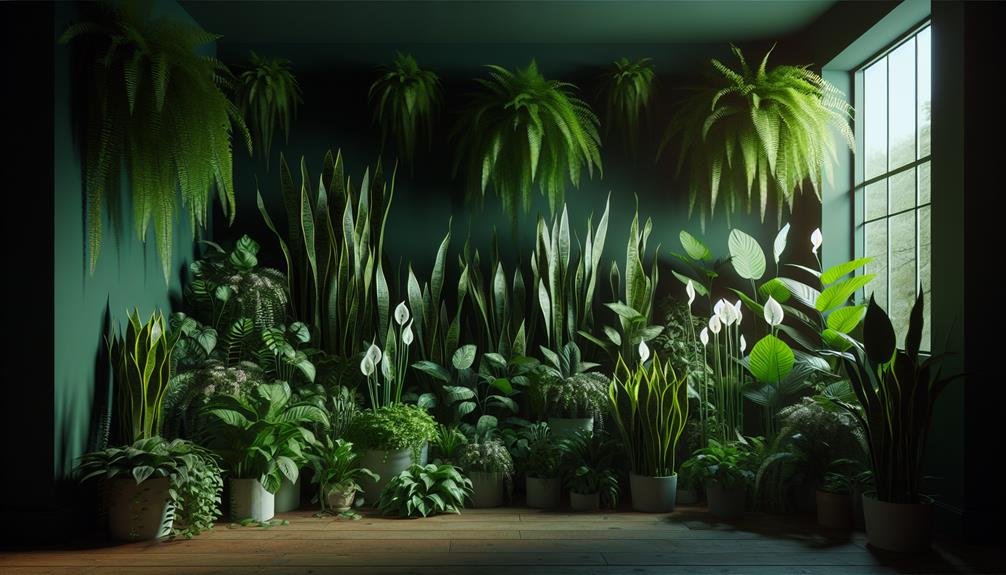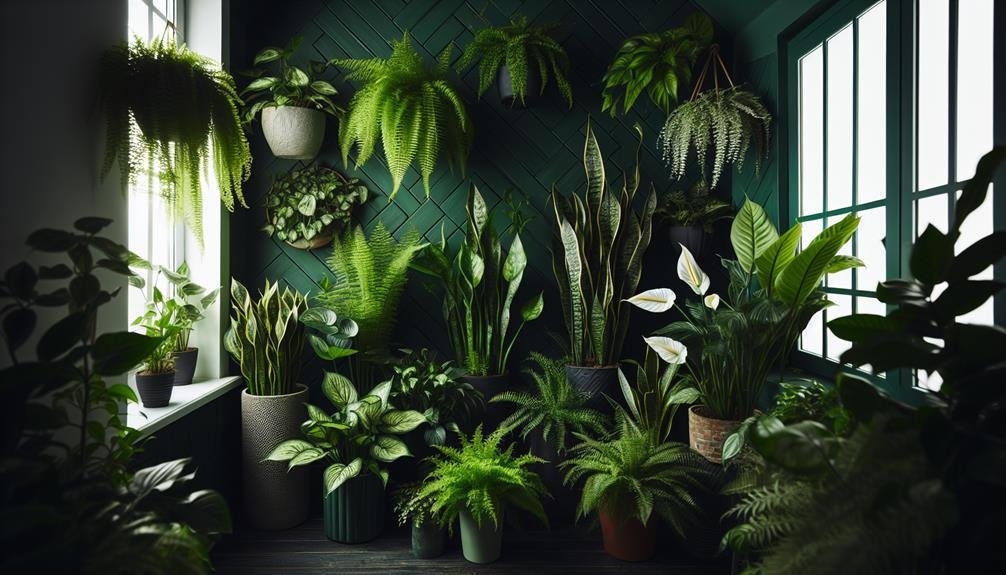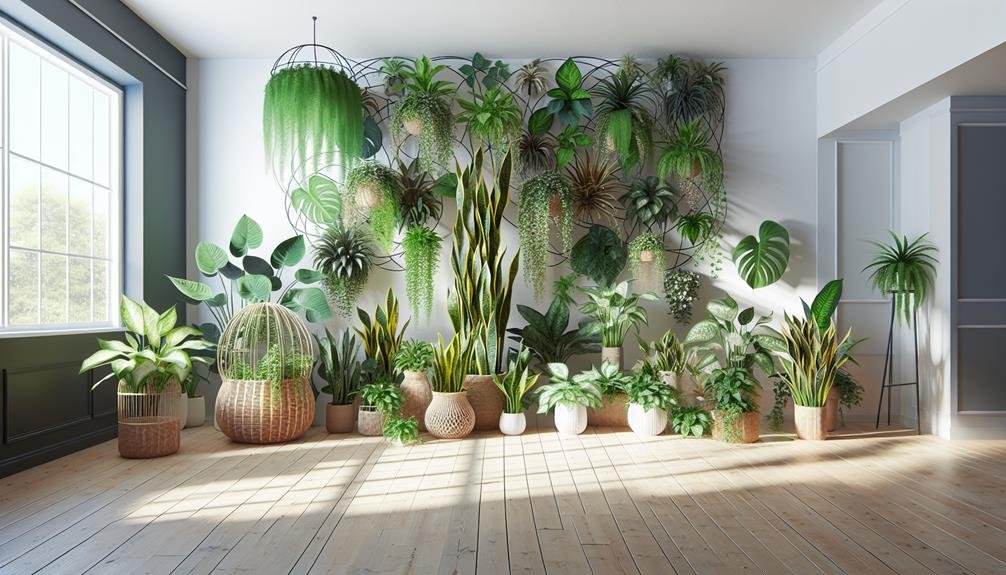
Embarking on the journey of cultivating hardy indoor plants is like opening a door to a world where tranquility and nature seamlessly merge within your living space.
As a novice gardener, you may be eager to witness the greenery flourish under your care, but where do you begin?
Let's unravel the secrets behind selecting the perfect plant companions that will thrive with your gentle touch and transform your home into a serene sanctuary.
Benefits of Hardy Indoor Plants
When starting your indoor garden, prioritize hardy plants for their resilience and low maintenance requirements. Hardy indoor plants are excellent choices for novice gardeners because they can withstand fluctuations in temperature and humidity, making them more forgiving if you forget to water them occasionally. These plants are also less prone to pests and diseases, reducing the need for frequent monitoring and intervention.
In addition to their durability, hardy indoor plants are often versatile in terms of lighting conditions. They can thrive in a variety of light levels, from bright direct sunlight to low indirect light, making them suitable for different areas of your home. This adaptability allows you to place them in various rooms without worrying too much about light exposure.
Moreover, hardy indoor plants are known for their air-purifying qualities. They can help improve indoor air quality by removing toxins and releasing oxygen, creating a healthier environment for you and your family. Overall, choosing hardy indoor plants can make your gardening experience more enjoyable and rewarding as you watch these resilient plants thrive in your home.
Top 5 Easy-to-Grow Varieties
As you explore the world of indoor gardening, consider these top 5 easy-to-grow varieties that will enhance your green space effortlessly.
- Spider Plant: Known for its air-purifying qualities, the spider plant thrives in indirect sunlight and requires minimal watering. Its arching leaves add a touch of elegance to any room.
- Snake Plant: Perfect for beginners, the snake plant can survive with infrequent watering and low light conditions. Its striking upright leaves make it a popular choice for modern interiors.
- Pothos: A versatile plant that can adapt to various light conditions, pothos is hardy and forgiving. With its cascading vines, it adds a lovely trailing element to shelves or hanging baskets.
- Peace Lily: This classic plant is excellent for removing toxins from the air. It prefers low light and only needs weekly watering, making it a low-maintenance option for newcomers.
- ZZ Plant: With its waxy, dark green leaves, the ZZ plant is practically indestructible. It can thrive in low light and only needs occasional watering, making it a hassle-free choice for indoor spaces.
Essential Care Tips for Success
To ensure your indoor plants thrive, prioritize consistent watering and proper sunlight exposure. Water your plants when the top inch of soil feels dry to the touch, ensuring adequate drainage to prevent root rot. Use room-temperature water and avoid overwatering, as it can be as harmful as underwatering.
When it comes to sunlight, place your plants in locations where they can receive the right amount of light for their specific needs. Monitor any signs of sunburn or light deficiency, such as yellowing leaves or leggy growth, and adjust accordingly.
In addition to watering and sunlight, regular dusting of your plant's leaves can help with photosynthesis and overall plant health. Consider rotating your plants occasionally to promote even growth on all sides.

Fertilize your plants sparingly during their growing season, following the instructions on the product label. Lastly, keep an eye out for pests and promptly address any infestations to prevent them from damaging your plants. By following these essential care tips, you can set your indoor plants up for success and enjoy a thriving indoor garden.
Troubleshooting Common Plant Issues
Address common plant issues by identifying and resolving them promptly to ensure the health and vitality of your indoor garden.
One common problem to watch for is overwatering. If you notice yellowing leaves, mushy stems, or a musty odor, you may be watering your plants too frequently. Adjust your watering schedule accordingly.
On the other hand, underwatering can cause wilting, dry soil, and brown leaf tips. Be sure to check the moisture levels of your plants regularly.
Pests like spider mites, aphids, and mealybugs can also wreak havoc on your indoor plants. Keep an eye out for any unusual spots or webbing on your plants and treat them promptly with insecticidal soap if needed.
Additionally, insufficient light can lead to leggy growth and pale leaves. Consider moving your plants to a brighter location or supplementing with artificial light.
Creative Ways to Display Greenery
To showcase your indoor plants creatively, explore unique ways to present your greenery that enhance the aesthetics of your space. Hanging planters can add a touch of elegance while saving precious floor space. Consider macramé hangers for a bohemian vibe or sleek metal ones for a modern look.
Wall-mounted shelves or plant stands can create a living wall effect, turning your plants into living art pieces. Utilize decorative pots in various shapes, sizes, and colors to complement your decor. Group plants together on a tray or a tiered stand to create a lush mini indoor garden.
Repurpose vintage containers like teacups, mason jars, or old tin cans for a charming and eco-friendly touch. Terrariums or glass cloches can add a whimsical element while protecting delicate plants. Get creative with plant placement by incorporating them into bookshelves, on windowsills, or even in the bathroom for a spa-like atmosphere. Remember to consider light and humidity requirements when choosing display spots to ensure your plants thrive in their new homes.
Frequently Asked Questions
Can Hardy Indoor Plants Survive in Low Light Conditions?
Yes, hardy indoor plants can survive in low light conditions. They've adapted to thrive in various light levels, making them suitable for environments with limited sunlight.
These plants are resilient and can still grow and flourish even in areas with less natural light.
It's important to choose the right type of hardy plant for your space to ensure it can thrive despite the low light conditions.
How Often Should I Repot My Hardy Indoor Plants?
When repotting your hardy indoor plants, remember that it's essential to check the roots for overcrowding. You should repot them every 1-2 years, depending on their growth rate.
Signs that it's time for a new pot include roots circling the bottom or poking out of the drainage holes. Choose a slightly larger pot with good drainage to encourage healthy growth.
Proper repotting ensures your plants have room to thrive and continue to beautify your space.
Are There Any Toxic Varieties of Hardy Indoor Plants to Avoid if I Have Pets or Young Children?
When considering plants for your indoor space, it's crucial to be aware of any toxic varieties if you have pets or young children. Some plants can be harmful if ingested, leading to potential health risks.
Always research and avoid toxic plants like dumb cane (Dieffenbachia) or philodendron varieties. Prioritize the safety of your loved ones by selecting non-toxic plants for your home environment.
Do Hardy Indoor Plants Require Any Special Fertilizers or Soil Amendments?
Hardy indoor plants generally don't require special fertilizers or soil amendments. They can thrive with basic care and a well-draining potting mix.
Regular fertilization during the growing season can benefit their growth, but avoid over-fertilizing, as it can harm the plants. Opt for a balanced indoor plant fertilizer and follow the instructions on the label for best results.
What Are Some Natural Pest Control Methods for Dealing With Common Pests on Hardy Indoor Plants?
To keep pests away from your indoor plants, try these natural methods.
Wiping leaves with a mild soap solution can deter insects. Neem oil is great for controlling pests, just dilute it and spray on your plants. Ladybugs are excellent predators for aphids and other small bugs.
Also, placing sticky traps near your plants can catch flying pests. Regularly inspecting your plants can help you catch and address pest issues early.
Conclusion
In conclusion, hardy indoor plants are a great choice for novice gardeners looking to add some greenery to their homes.
With the right care and attention, these easy-to-grow varieties can thrive and bring a touch of nature indoors.
Remember to keep them in a well-lit area, water them regularly, and watch out for common plant issues.
Get creative with how you display your plants to add some personality to your space.
Happy gardening!