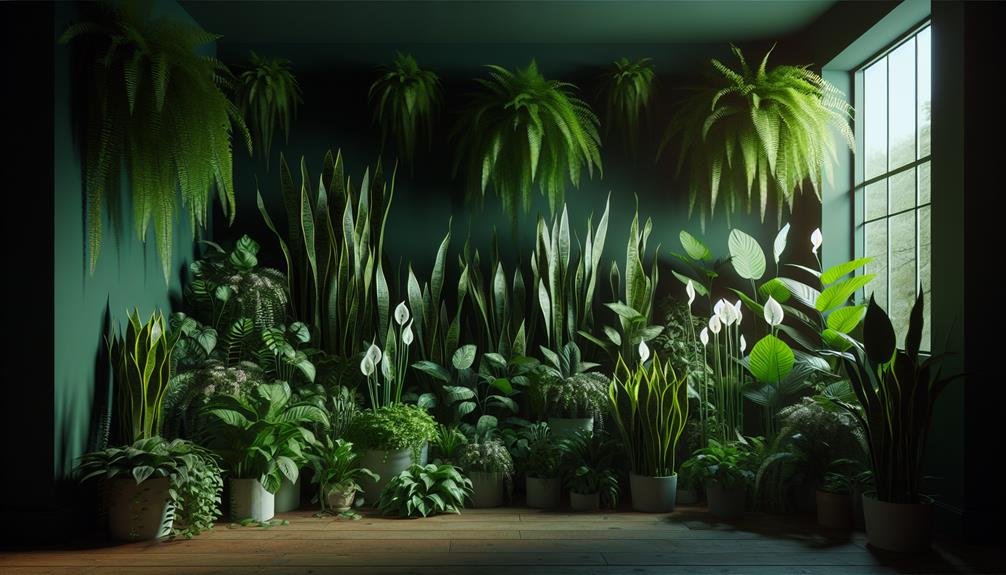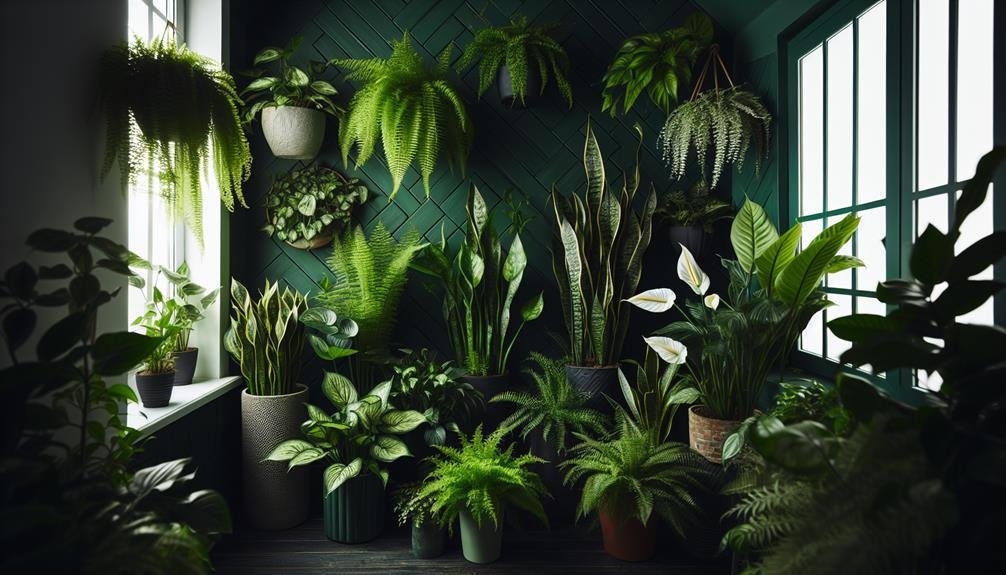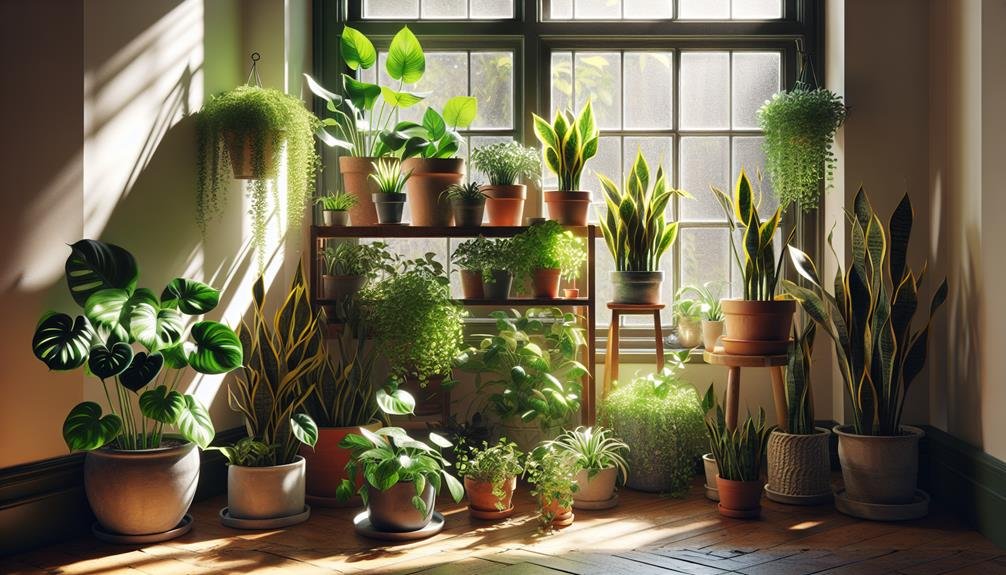
You think keeping plants alive is a daunting task, but what if I told you there are greenery options that even the most novice of plant caretakers can handle with ease?
Imagine having a touch of nature in your home without the worry of constant maintenance. These plants not only add a fresh aesthetic but also come with a side of air-purifying benefits.
Stay tuned to discover the secret to effortlessly incorporating greenery into your space, no green thumb required.
Snake Plant
When starting your greenery journey, consider the Snake Plant for its low maintenance and air-purifying qualities. This hardy plant thrives on neglect, making it perfect for beginners or those with busy schedules. With its striking tall leaves that resemble snakeskin, the Snake Plant adds a touch of elegance to any room. Not only does it require minimal watering, but it also helps improve indoor air quality by removing toxins like formaldehyde and benzene.
To care for your Snake Plant, place it in indirect sunlight and water sparingly, allowing the soil to dry out between waterings. This plant is quite resilient and can adapt to various lighting conditions, although it prefers bright, indirect light. With its ability to survive droughts and its air-purifying benefits, the Snake Plant is a great choice for those looking to add some greenery to their space without the hassle of constant maintenance.
Pothos
Considering your interest in low-maintenance and air-purifying plants like the Snake Plant, let's now explore the versatile and easy-to-care-for Pothos plant. Pothos, also known as Devil's Ivy, is a popular choice for beginners due to its forgiving nature. This plant thrives in various light conditions, from low light to indirect sunlight. Its heart-shaped leaves come in different shades of green, making it a visually appealing addition to any space.
When it comes to watering, Pothos is quite resilient and can tolerate occasional forgetfulness. Simply water the plant when the top inch of soil feels dry. Overwatering should be avoided as it can lead to root rot. Pothos is also known for its air-purifying qualities, making it a great choice for indoor environments.
Propagation of Pothos is easy, as it can be done through stem cuttings placed in water until roots develop. With minimal effort, you can create new plants to expand your greenery. Overall, Pothos is a fantastic plant for beginners looking to add some greenery to their homes without much hassle.
Spider Plant
The Spider Plant, renowned for its air-purifying qualities and easy care, is a popular choice for beginners venturing into the world of indoor greenery. This resilient plant features long, arching leaves with white stripes, adding a touch of elegance to any space. One of the Spider Plant's most attractive qualities is its ability to thrive in a variety of conditions, making it almost foolproof to care for.
When caring for your Spider Plant, remember to place it in indirect sunlight and water it regularly, ensuring the soil remains moist but not waterlogged. This plant is forgiving when it comes to watering, so even if you forget a watering session occasionally, it will likely bounce back without issue. Additionally, the Spider Plant is known for producing 'babies' or plantlets that dangle from the mother plant, making it a visually interesting and rewarding plant to grow.

ZZ Plant
If you're looking to expand your indoor greenery collection beyond the Spider Plant, the ZZ Plant is an excellent choice for its low maintenance and striking appearance.
The ZZ Plant, scientifically known as Zamioculcas zamiifolia, is a hardy and resilient plant that thrives on neglect, making it perfect for beginners or those with busy schedules. This plant features glossy, dark green leaves that add a touch of elegance to any room.
ZZ Plants are adaptable to various light conditions, from low light to indirect sunlight, and can go weeks without water due to their ability to store moisture in their rhizomes. When watering, it's essential to let the soil dry out completely between waterings to prevent root rot.
With minimal pruning requirements and the ability to withstand occasional forgetfulness, the ZZ Plant is a fantastic addition to any home looking to incorporate a low-maintenance yet visually appealing plant into their space.
Peace Lily
For a beginner-friendly indoor plant that adds a touch of elegance to your space, consider the Peace Lily. The Peace Lily, also known as Spathiphyllum, is a popular choice due to its beautiful white blooms and easy maintenance. This plant thrives in low light conditions, making it perfect for rooms with limited sunlight.
When caring for your Peace Lily, water it once a week, ensuring the soil is moist but not waterlogged. These plants will droop when they need water, making it easy to tell when it's time for a drink. Additionally, Peace Lilies are excellent air purifiers, removing toxins like formaldehyde and benzene from the air, enhancing your indoor air quality.
One thing to keep in mind with Peace Lilies is their mild toxicity to pets and humans if ingested. So, it's best to keep them out of reach of curious pets and children. With its low maintenance needs and elegant appearance, the Peace Lily is a fantastic addition to any beginner's indoor plant collection.
Frequently Asked Questions
Can These Plants Survive in Low Light Conditions?
In low light conditions, some plants can survive, but not all. It's important to choose the right plants that are known to thrive in low light environments.
Look for options like pothos, snake plants, or peace lilies, as they're more likely to do well with minimal light. Remember to monitor their growth and adjust their care as needed to ensure they stay healthy despite the lack of light.
How Often Should These Plants Be Watered?
You should water these plants every 7-10 days. Make sure the soil is dry before watering again. Overwatering can harm the plants, so it's better to let them dry out a bit between waterings.
Check the soil moisture by sticking your finger about an inch into the soil – if it feels dry, then it's time to water. Remember, consistency is key to keeping these plants healthy and thriving.
Do These Plants Require Any Special Fertilizers?
These plants don't require any special fertilizers. Stick to a regular houseplant fertilizer and follow the instructions on the label.
Over-fertilizing can harm your plants, so it's important to use the right amount. Keep an eye on your greenery's growth and adjust the feeding schedule accordingly.
Are These Plants Safe for Pets?
Yes, these plants are safe for pets. They're non-toxic and won't harm your furry friends if they decide to take a nibble.
It's always a good idea to research each specific plant to ensure it's safe for your particular pet. But in general, these plants are a great choice for pet owners looking to add some greenery to their home without worrying about their pets getting sick.
What Are Some Common Pests That These Plants Attract and How Can They Be Prevented?
Common pests that plants attract include aphids, spider mites, and mealybugs. To prevent these pests, regularly inspect your plants for any signs of infestation.
Use insecticidal soap or neem oil to treat affected areas. Ensure proper airflow around your plants and avoid overwatering, as pests are attracted to damp conditions.
Conclusion
So there you have it, even if you're a beginner, you can still enjoy the beauty of greenery in your home with these easy-to-care-for plants.
From the resilient Snake Plant to the low-maintenance ZZ Plant, there's a perfect option for every level of gardener.
Don't be afraid to bring some greenery into your space – with these plants, you can't go wrong!