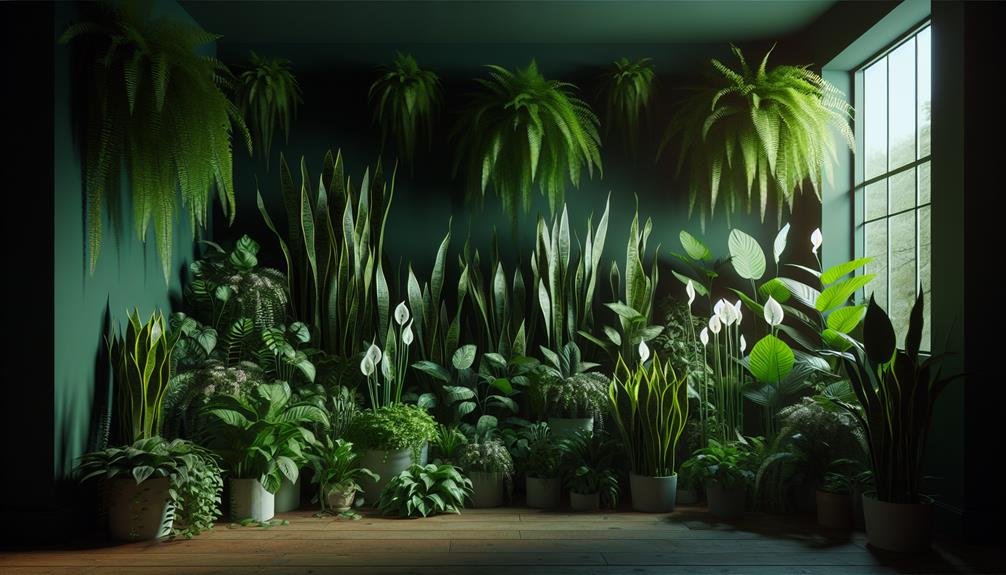
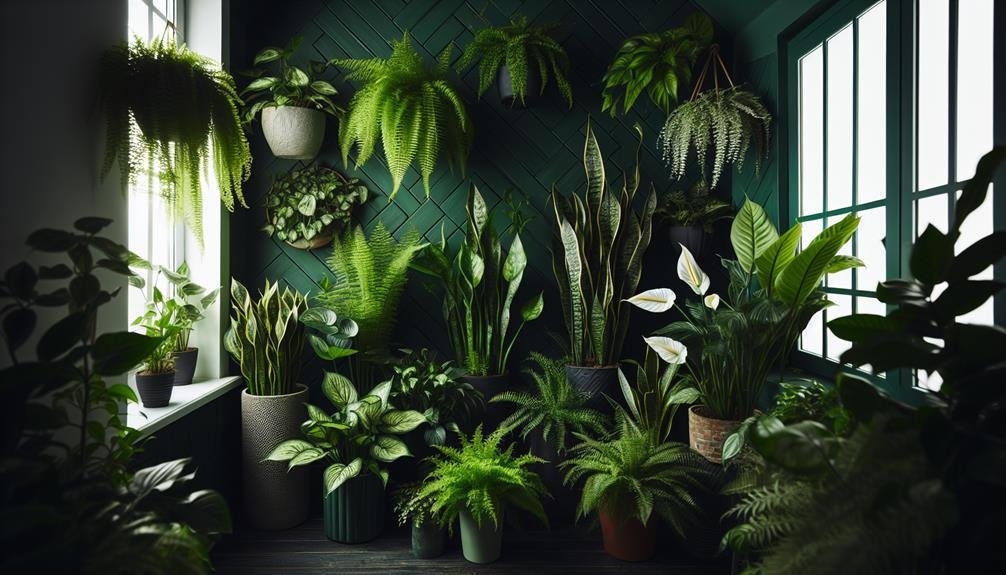
Discovering the perfect shade-loving houseplant for your space is akin to finding a hidden gem in a lush garden. With their ability to thrive in low-light conditions, these green companions can bring life and vibrancy to even the darkest corners of your home.
But, before you settle on just any plant, there are key considerations and varieties that could transform your indoor oasis. Explore the top 10 shade-loving houseplants and unlock the secrets to nurturing these botanical beauties for a thriving indoor garden that's sure to impress.
Benefits of Shade-Loving Houseplants
Discover why shade-loving houseplants are a fantastic choice for adding greenery to dimly lit spaces in your home. These plants thrive in low-light conditions, making them perfect for rooms with limited sunlight. By opting for shade-loving varieties, you can bring life and vibrancy to areas that may not be suitable for light-hungry plants.
One of the key benefits of shade-loving houseplants is their low maintenance requirements. They generally need less watering and can tolerate fluctuations in light levels better than sun-loving plants. This makes them an excellent option for busy individuals or those new to plant care.
Additionally, shade-loving houseplants can help improve indoor air quality by absorbing pollutants and releasing oxygen. Having these plants around can contribute to a healthier and more pleasant living environment for you and your family.
Furthermore, these plants come in a wide range of shapes, sizes, and colors, allowing you to choose the perfect ones to complement your home decor. Whether you prefer large leafy plants or delicate flowering varieties, there's a shade-loving houseplant to suit every taste.
Top 10 Shade-Loving Varieties
When looking to enhance your indoor space with greenery that thrives in low-light conditions, exploring the top 10 shade-loving varieties is a great starting point. Here are some of the best options to consider:
- Snake Plant (Sansevieria): Known for its air-purifying qualities and easy care.
- ZZ Plant (Zamioculcas Zamiifolia): Ideal for beginners due to its resilience.
- Peace Lily (Spathiphyllum): Produces beautiful white flowers and thrives in shade.
- Spider Plant (Chlorophytum comosum): Great for hanging baskets with its cascading leaves.
- Cast Iron Plant (Aspidistra elatior): Extremely hardy and can withstand neglect.
- Parlor Palm (Chamaedorea elegans): Adds a tropical touch to any room.
- Dracaena: Comes in various varieties and can grow tall in low light.
- Philodendron: Easy to care for and comes in different leaf shapes.
- Pothos (Epipremnum aureum): Known for its trailing vines and air-purifying abilities.
- Chinese Evergreen (Aglaonema): Offers colorful foliage and thrives in shade.
These shade-loving varieties can bring life and vibrancy to your home without needing direct sunlight.
Care Tips for Shade-Loving Plants
To ensure the health and longevity of your shade-loving plants, proper care and attention are essential. When caring for these plants, remember that although they thrive in low light conditions, they still require some light to photosynthesize. Ensure they receive indirect sunlight or artificial light for a few hours each day.
Overwatering can be detrimental, so allow the soil to dry slightly between waterings. Use a well-draining potting mix to prevent waterlogged roots. Fertilize your shade-loving plants sparingly, as they generally require less fertilizer compared to sun-loving plants.

Monitor for pests like spider mites or mealybugs, especially in the lower light conditions where these pests can thrive. Regularly dust the leaves with a damp cloth to keep them clean and allow for better light absorption. Finally, rotate your plants occasionally to promote even growth on all sides.
Creative Placement Ideas for Shade
For optimal growth and visual appeal in your indoor space, consider exploring innovative ways to position your shade-loving plants. Place hanging baskets with trailing plants in corners or near windows to add depth and interest to your room.
Utilize plant stands of varying heights to create a dynamic display of your leafy companions. Group different types of shade-loving plants together to create a lush and diverse mini indoor garden.
Consider placing your plants on shelves or bookcases to maximize vertical space and bring greenery to new heights. Don't forget about utilizing plant hangers to suspend your leafy friends near windows or in unused high corners.
Experiment with placing plants in unconventional spots like bathrooms or kitchens where they can thrive in low light conditions. By thinking outside the box and getting creative with your plant placement, you can transform your indoor space into a green oasis filled with thriving shade-loving houseplants.
Troubleshooting Common Shade Plant Issues
If your shade-loving houseplants aren't thriving as expected, identifying and addressing common issues promptly can help restore their health and vitality.
One common problem is overwatering. Overwatering can lead to root rot, yellowing leaves, and wilting. Ensure proper drainage and only water when the top inch of soil is dry.
On the flip side, underwatering can cause drooping leaves and stunted growth. Check the moisture levels regularly and adjust your watering schedule accordingly.
Another issue could be inadequate light. If your plant isn't receiving enough light, it may become leggy or have pale leaves. Consider moving it to a brighter spot or supplementing with grow lights.
Pests like spider mites and mealybugs can also infest shade plants. Keep an eye out for unusual spots, webbing, or sticky residue on leaves and treat infestations promptly.
Frequently Asked Questions
Can Shade-Loving Houseplants Survive in Low Light Conditions or Do They Need Some Natural Light to Thrive?
In low light conditions, shade-loving houseplants can survive but mightn't thrive as well as they'd with some natural light. While they're adapted to low light environments, a bit of natural light can help them grow healthier and more vibrant.
Consider placing them near a window with filtered light to give them the best chance to flourish. Remember, even shade-loving plants need some light to reach their full potential.
Are There Any Shade-Loving Houseplants That Are Safe for Pets to Be Around?
When choosing shade-loving houseplants safe for pets, consider options like spider plants, parlor palms, or friendship plants. These plants not only thrive in low light conditions but are also non-toxic to your furry friends.
Ensure to place them in pet-friendly areas and keep an eye on curious pets to prevent any mishaps.
With the right choices, you can enjoy a green oasis in your home without worrying about your pet's safety.
How Often Should Shade-Loving Houseplants Be Fertilized Compared to Plants That Require More Sunlight?
When caring for shade-loving houseplants, fertilize them less frequently than plants needing more sunlight. Since they receive less light for photosynthesis, their growth rate is slower, requiring less nutrients.
It's recommended to fertilize shade-loving plants every 6-8 weeks during their growing season, whereas sun-loving plants may need fertilization every 4-6 weeks. Adjusting the fertilization schedule ensures your shade-loving plants receive the proper nourishment without overfeeding.
What Are Some Common Pests That Tend to Affect Shade-Loving Houseplants and How Can They Be Prevented or Treated?
To keep pests away from shade-loving houseplants, watch out for common culprits like spider mites, mealybugs, and aphids. Regularly inspect your plants for any signs of these pests. For prevention, wipe leaves with a damp cloth, apply neem oil, or introduce beneficial insects like ladybugs.
If pests invade, treat them with insecticidal soap or horticultural oil. Remember, a little vigilance goes a long way in keeping your plants healthy and pest-free.
Are There Any Specific Soil Requirements for Shade-Loving Houseplants That Differ From Plants That Prefer Direct Sunlight?
When caring for shade-loving houseplants, it's important to use well-draining soil to prevent waterlogging. These plants require soil that retains moisture without becoming soggy, mimicking the conditions of their natural habitat.
Ensure the soil is rich in organic matter to provide essential nutrients. Avoid compacted or heavy soils that can hinder root growth.
Conclusion
In conclusion, shade-loving houseplants are a great way to add greenery to any space, even if you don't have a lot of natural light.
With the right care and placement, these plants can thrive and bring life to your home.
Remember to choose the best varieties for your space, provide proper care, and troubleshoot any issues that may arise.
Embrace the beauty of shade-loving houseplants and enjoy the benefits they bring to your indoor environment.