Have you ever wondered why shade-loving houseplants seem to thrive without much sunlight?
The answer lies in their remarkable adaptability to low-light conditions, but that's just the beginning.
These resilient plants have a secret weapon that helps them not only survive but also flourish in dim environments.
Stay tuned to uncover the fascinating reasons behind their reliability that may surprise you.
Adaptability to Low-Light Conditions
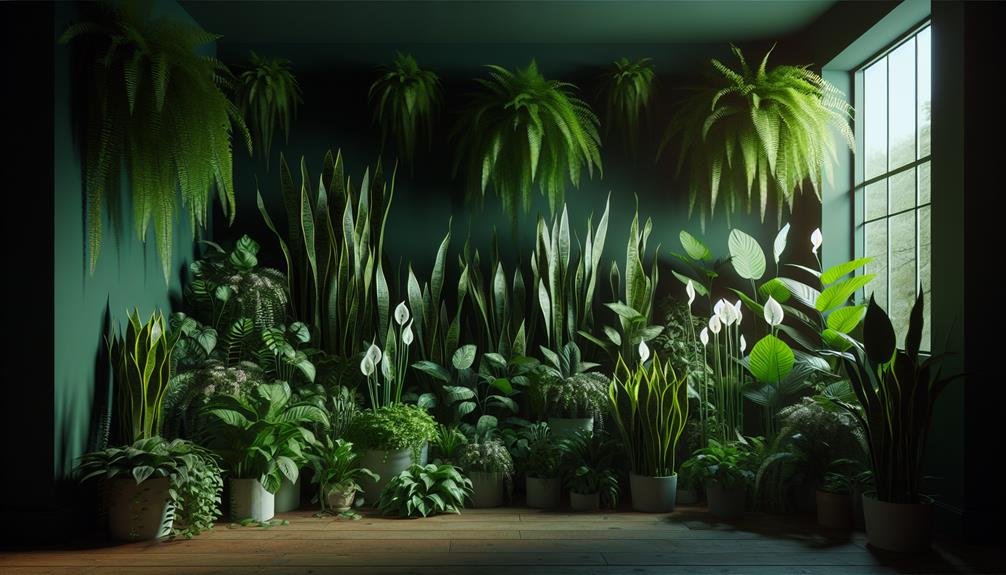
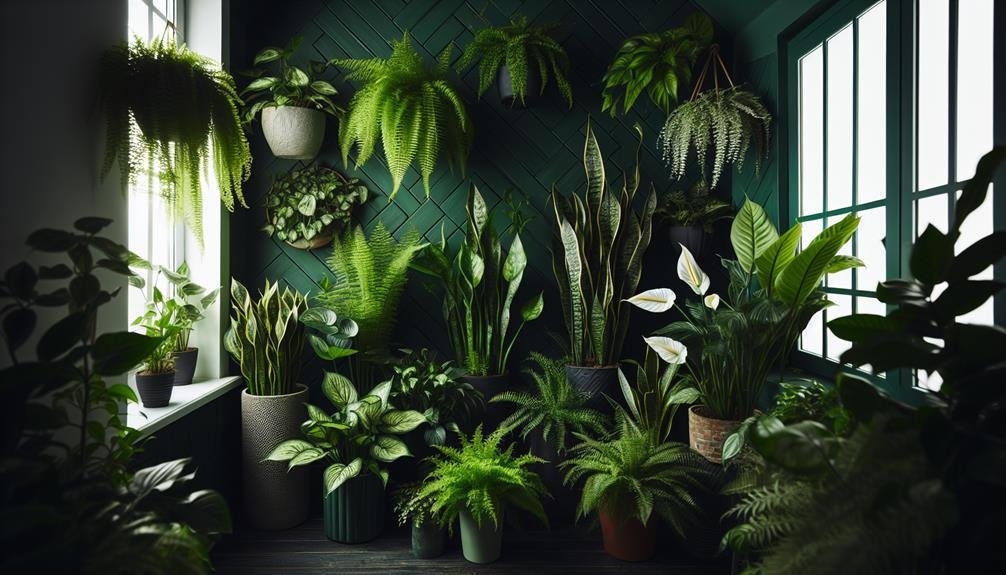
When choosing shade-loving houseplants, consider their adaptability to low-light conditions for optimal growth and health. Look for plants like the peace lily, snake plant, or ZZ plant, as they thrive in environments with minimal sunlight. These resilient species have evolved to make the most of the available light, requiring less energy to photosynthesize and grow. By selecting plants that are well-suited to low-light conditions, you ensure that they can flourish in your home without the need for constant exposure to bright sunlight.
These shade-loving houseplants have adapted mechanisms to efficiently utilize whatever light they receive, making them ideal choices for spaces with limited natural light. Their ability to thrive in low-light environments is a testament to their resilience and suitability as indoor plants. When cared for properly, they'll not only survive but also bring a touch of greenery and life to even the darkest corners of your home. Choose shade-loving houseplants that are adaptable to low-light conditions, and you'll enjoy their beauty and benefits with minimal maintenance.
Efficient Photosynthesis Processes
To understand the shade-loving houseplants' ability to thrive in low-light conditions, it's essential to explore their efficient photosynthesis processes. These plants have developed mechanisms to make the most out of the limited light available. Unlike sun-loving plants that require ample sunlight for photosynthesis, shade-loving houseplants have adapted to efficiently capture and use light energy. They possess specialized pigments that allow them to absorb light across a broader spectrum, maximizing their photosynthetic efficiency even in shady environments.
One key aspect of their efficient photosynthesis processes is their ability to regulate their stomata effectively. Stomata control gas exchange and water loss, crucial functions especially in low-light conditions where resources are limited. Shade-loving houseplants have evolved to strike a balance between keeping their stomata open for gas exchange and minimizing water loss to optimize their photosynthetic rate.
Reduced Water and Nutrient Requirements
Shade-loving houseplants demonstrate a remarkable ability to thrive with reduced water and nutrient requirements. These plants have adapted to low-light environments by developing efficient mechanisms for water and nutrient usage. Their foliage is often designed to minimize water loss through evaporation, allowing them to make the most of the moisture available. Additionally, their root systems are adept at absorbing nutrients efficiently from the soil, requiring less fertilization compared to sun-loving plants.
The reduced water and nutrient requirements of shade-loving houseplants make them ideal choices for indoor spaces with lower light levels. By needing less frequent watering and feeding, they're low-maintenance options for busy individuals or those new to plant care. This resilience also makes them suitable for offices or rooms with limited access to natural light. Despite their reduced needs, these plants remain vibrant and healthy, adding a touch of greenery to any shaded setting without demanding constant attention.

Natural Defense Mechanisms Against Pests
As shade-loving houseplants efficiently manage water and nutrients, they also deploy natural defense mechanisms against pests to maintain their health and vitality. These plants have evolved various strategies to fend off potential threats in their low-light environments. One common defense mechanism is the production of chemical compounds with strong odors or tastes that deter pests from feeding on their leaves or stems.
For example, some shade-loving houseplants release compounds like pyrethrin, which are natural insecticides, effectively repelling pests like aphids, spider mites, or mealybugs.
Additionally, certain shade-loving houseplants have developed physical defenses such as thorns, trichomes (small hairs), or tough leaves that make it difficult for pests to access their nutrient-rich tissues. These physical barriers act as a first line of defense against common pests, reducing the likelihood of infestations. Moreover, some houseplants have symbiotic relationships with beneficial insects like ladybugs or predatory mites, which help control pest populations by feeding on them.
Longevity and Low Maintenance Requirements
With their longevity and minimal maintenance needs, shade-loving houseplants are ideal choices for busy plant enthusiasts. These plants thrive in low-light conditions, making them perfect for indoor spaces without direct sunlight. One key factor contributing to their longevity is their ability to adapt to a variety of lighting conditions, allowing them to survive and even thrive in shaded areas where other plants might struggle.
In terms of maintenance, shade-loving houseplants are relatively undemanding. They require less frequent watering compared to sun-loving plants, as they're adapted to lower light levels and therefore have slower growth rates. This means you can enjoy the beauty of these plants without constantly worrying about watering schedules. Additionally, their resilience to pests and diseases further reduces the maintenance required, allowing you to focus on enjoying your green companions rather than constantly tending to their needs.
Frequently Asked Questions
Can Shade-Loving Houseplants Be Placed in Direct Sunlight Occasionally?
Yes, shade-loving houseplants can be placed in direct sunlight occasionally, but it's important to do so gradually. Sudden exposure to intense sunlight can shock the plants.
Start by introducing them to short periods of morning or late afternoon sun, gradually increasing the time. Monitor the plants for any signs of stress, like wilting or discoloration.
Do Shade-Loving Houseplants Attract Pests or Insects Due to Their Low-Light Preference?
Shade-loving houseplants can indeed attract pests or insects due to their low-light preference. These plants may be more susceptible to pests like spider mites or aphids, so it's essential to keep an eye out for any signs of infestation.
Regularly inspecting your plants and maintaining proper care routines can help prevent pest problems and keep your shade-loving plants healthy and thriving.
Are There Any Specific Soil Requirements for Shade-Loving Houseplants?
For shade-loving houseplants, specific soil requirements are crucial. They thrive in well-draining soil that retains moisture but doesn't get waterlogged. A mix of peat moss, perlite, and compost works well. Avoid heavy clay soils that can suffocate the roots.
Regularly check moisture levels to ensure the soil stays damp but not soggy. Remember, the right soil conditions are key to keeping your shade-loving plants healthy and vibrant.
How Often Should Shade-Loving Houseplants Be Fertilized Compared to Other Houseplants?
When caring for shade-loving houseplants, fertilize them less frequently than other plants. Too much fertilizer can harm them. Stick to a schedule of fertilizing every 4-6 weeks during their active growing season.
Use a balanced, water-soluble fertilizer to provide essential nutrients. Remember, it's better to under-fertilize than overdo it.
Always read the instructions on the fertilizer packaging and adjust as needed based on your specific plants' needs.
Can Shade-Loving Houseplants Be Propagated Easily Through Division or Cuttings?
When it comes to shade-loving houseplants, propagation through division or cuttings is generally easy.
You can separate root-bound plants into smaller sections or take stem cuttings to start new plants. This method offers a simple way to expand your collection without much hassle.
Just ensure you follow proper techniques for dividing or propagating to increase your chances of success with these reliable shade-loving beauties.
Conclusion
So, next time you're looking for a reliable houseplant that thrives in low-light conditions, consider one of these shade-loving varieties.
With their adaptability, efficient photosynthesis processes, reduced water and nutrient requirements, natural defense mechanisms against pests, and low maintenance needs, you can trust that these plants will continue to bring beauty and greenery to your indoor spaces for years to come.
Happy planting!