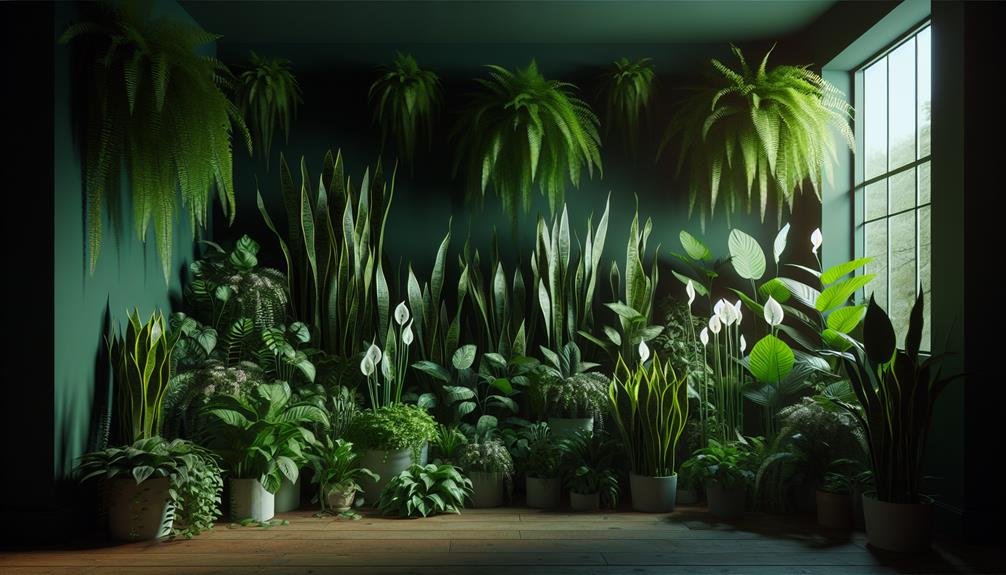
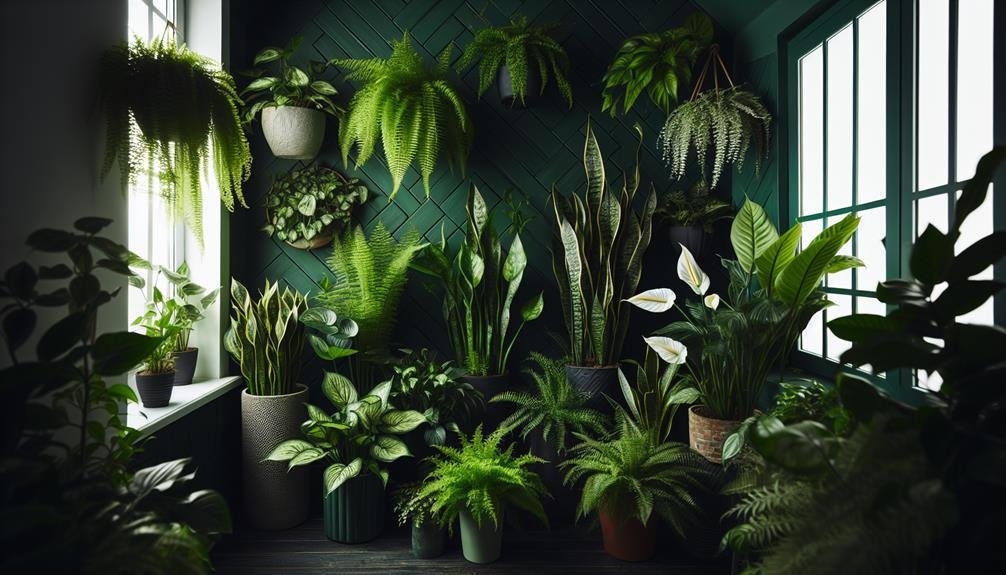
When it comes to indoor plants, you might be torn between options that thrive in sunlight or those that flourish in shade. However, have you considered the benefits of choosing shade-tolerant indoor plants?
The allure of lush greenery in dimly lit corners or rooms with limited natural light may surprise you. The resilience and adaptability of shade-tolerant plants offer a compelling reason to enhance your indoor space with their unique characteristics.
Benefits of Shade-Tolerant Indoor Plants
Enjoy healthier indoor air quality by incorporating shade-tolerant indoor plants into your living spaces. These plants not only thrive in low-light conditions but also offer numerous benefits to you and your home. Shade-tolerant plants, such as peace lilies and snake plants, are excellent air purifiers, removing toxins and improving air quality. By having these plants around, you can reduce indoor pollution levels, leading to better respiratory health for you and your family.
In addition to cleaner air, shade-tolerant indoor plants can enhance your mood and reduce stress. The presence of greenery has been linked to increased feelings of relaxation and well-being. Therefore, by introducing these plants into your home, you create a more calming and peaceful environment for yourself. Moreover, caring for indoor plants can be a rewarding hobby, offering a sense of accomplishment and satisfaction as you watch them grow and thrive in their shaded spots.
Best Care Practices for Shade-Tolerant Plants
To ensure the optimal health and growth of shade-tolerant indoor plants, it's essential to implement proper care practices.
Start by placing your plants in areas with indirect sunlight to mimic their natural habitat. Water your shade-tolerant plants only when the top layer of soil feels dry to the touch, as they're prone to root rot in overly damp conditions. Ensure good drainage in their pots to prevent waterlogging, which can harm the roots.
Fertilize your plants sparingly, as they require fewer nutrients due to reduced sunlight exposure. Dust the leaves regularly to allow proper absorption of light for photosynthesis. Prune any yellowing or dead leaves to promote new growth.
Monitor your plants for signs of pests or diseases, and address any issues promptly to prevent them from spreading. By following these care practices, you can help your shade-tolerant indoor plants thrive in low-light environments.
Top Varieties for Low-Light Environments
For those looking to enhance their indoor greenery in low-light settings, exploring top plant varieties suited for such environments is key. When selecting plants for low-light spaces, consider varieties like the peace lily, snake plant, and pothos. Peace lilies aren't only visually appealing with their white blooms but also excellent at purifying the air. Snake plants, with their striking vertical leaves, are incredibly resilient and can thrive in almost any condition. Pothos, known for their trailing vines, are low-maintenance and can add a touch of green to even the darkest corners.
If you prefer flowering plants, consider the African violet or the parlor palm. African violets produce delicate, colorful flowers and are relatively easy to care for. Parlor palms, with their elegant fronds, can bring a tropical feel to your space while requiring minimal light. These varieties offer a mix of aesthetics and practicality for those seeking to liven up dimly lit rooms with vibrant plant life.

Design Ideas With Shade-Tolerant Plants
Consider incorporating shade-tolerant plants into your indoor design to add a touch of greenery and vitality to your space. These plants can thrive in low-light conditions, making them perfect for areas with limited sunlight. When designing with shade-tolerant plants, think about creating a lush corner with a variety of plant sizes and textures. Mix and match different plant types to add visual interest and depth to your space.
One design idea is to hang trailing plants like pothos or ferns in macramé plant hangers near windows or in well-lit corners. This not only adds a pop of green but also creates a dynamic visual element in your room.
Another option is to place shade-tolerant plants on shelves or plant stands to utilize vertical space and draw the eye upwards. Consider grouping plants with similar light and watering needs together to make maintenance easier.
Tips for Successful Indoor Gardening
When caring for shade-tolerant indoor plants, implementing proper gardening tips can help you cultivate a thriving indoor garden. Start by choosing the right plants that suit your indoor environment. Consider factors like light levels, humidity, and temperature to ensure your plants will thrive. Ensure your plants have adequate drainage by using pots with drainage holes and a well-draining potting mix to prevent root rot.
Consistent watering is key to indoor gardening success. Water your plants when the top inch of soil feels dry, but be cautious not to overwater. Remember to mist your plants regularly to maintain proper humidity levels, especially if your indoor environment tends to be dry. Additionally, dust off your plant's leaves regularly to allow for better light absorption, aiding in photosynthesis.
Regularly inspect your plants for any signs of pests or diseases. Catching and treating these issues early can prevent them from spreading and harming your indoor garden. Lastly, rotate your plants occasionally to ensure even growth and prevent them from leaning towards the light source. By following these tips, you can enjoy a lush and healthy indoor garden filled with shade-tolerant plants.
Frequently Asked Questions
Can Shade-Tolerant Indoor Plants Thrive in Rooms With No Natural Light at All?
In rooms with no natural light at all, shade-tolerant indoor plants may struggle to thrive. These plants are adapted to low light conditions, but complete darkness can hinder their growth and overall health.
Consider supplementing with artificial light sources to support their growth. Remember, even shade-tolerant plants need some light to photosynthesize and stay healthy, so finding a balance is key for their well-being in light-deprived environments.
Are There Any Shade-Tolerant Plants That Are Safe for Pets to Be Around?
When looking for shade-tolerant plants safe for pets, consider options like spider plants, parlor palms, or Boston ferns. These plants not only thrive in low-light conditions but are also non-toxic to your furry friends.
Placing them in pet-accessible areas can add greenery to your space without posing a risk to your beloved animals. Remember to research specific plants to ensure they're safe for your pets before bringing them home.
How Often Should I Rotate My Shade-Tolerant Plants to Ensure Even Growth?
To ensure even growth for your shade-tolerant plants, rotate them every 1-2 weeks. This practice helps the plant receive consistent light from different angles, preventing it from leaning towards one direction.
Rotate the plant a quarter turn each time to promote balanced growth and prevent it from becoming lopsided. This simple routine can make a big difference in maintaining healthy and vibrant indoor plants.
Are There Any Specific Pests or Diseases That Shade-Tolerant Plants Are More Susceptible To?
Pests and diseases can still affect shade-tolerant plants indoors. Common issues like spider mites, aphids, and powdery mildew might trouble your plants.
Keep an eye out for any signs of infestation or disease, especially in low-light conditions where these problems can thrive.
Regularly inspecting your plants and maintaining good airflow can help prevent these issues from taking hold and keep your indoor greenery healthy and thriving.
Can Shade-Tolerant Plants Be Used in Terrariums or Other Enclosed Environments?
Shade-tolerant plants are great for terrariums or enclosed spaces. They thrive in low-light conditions, making them perfect for adding greenery to areas with limited sunlight. These plants can create a lush, vibrant environment in your terrarium without needing direct sunlight.
With their adaptability to shade, they're a fantastic choice for indoor spaces that don't receive much natural light. So, go ahead and incorporate shade-tolerant plants into your terrarium for a beautiful display.
Conclusion
In conclusion, shade-tolerant indoor plants offer numerous benefits, making them a great choice for low-light environments. By following the best care practices and choosing the right varieties, you can create a beautiful indoor garden that thrives in shady areas.
With the right design ideas and tips for successful indoor gardening, you can enjoy the beauty of greenery even in spaces with limited natural light. So why not choose shade-tolerant plants for your indoor oasis today?