If you find yourself in the 70% of homes that lack sufficient natural light, you might think having thriving houseplants is out of reach. But fear not, there are shade-loving options that can thrive in dim spaces.
Imagine transforming that dark corner into a lush oasis without the need for constant sunlight. Stay tuned to discover the top houseplants that not only survive but also thrive in low-light environments.
Your space is about to get a green makeover!
Benefits of Shade-Loving Houseplants
Shade-loving houseplants offer a range of benefits, making them ideal for indoor spaces with limited natural light. These plants are perfect for brightening up corners or areas in your home that don't receive much sunlight. Not only do they add a touch of greenery to your space, but they also help purify the air by removing toxins and producing oxygen through photosynthesis.
Having shade-loving houseplants around can also improve your mood and reduce stress levels. Studies have shown that interacting with plants can have a calming effect on the mind, promoting feelings of relaxation and well-being. Additionally, caring for houseplants can provide a sense of accomplishment and boost your overall mental health.
Furthermore, shade-loving plants are generally low-maintenance, requiring less attention and water compared to their sun-loving counterparts. This makes them perfect for busy individuals or those new to plant care. With their ability to thrive in low-light conditions and numerous benefits, shade-loving houseplants are a wonderful addition to any indoor space.
Best Houseplants for Low-Light Environments
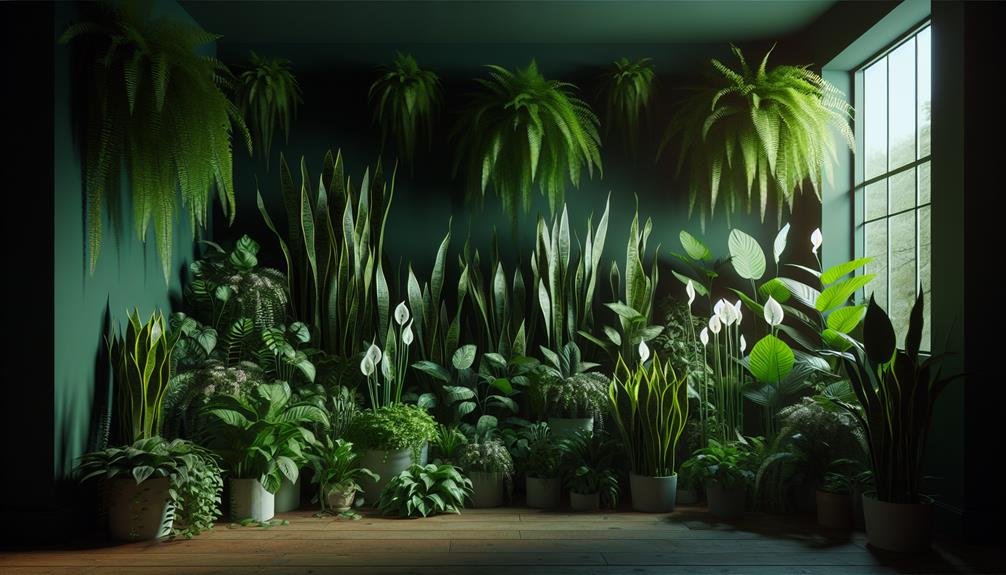
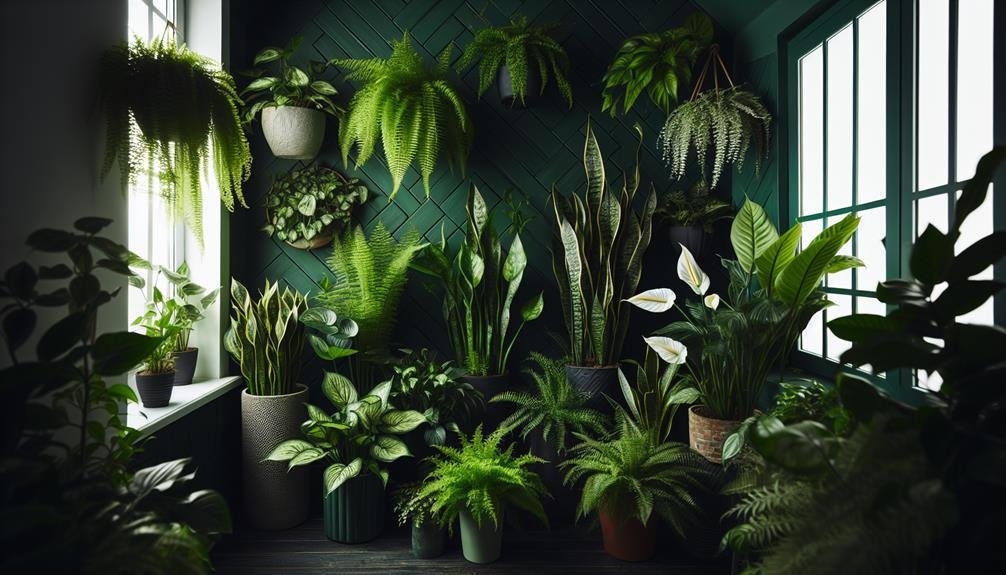
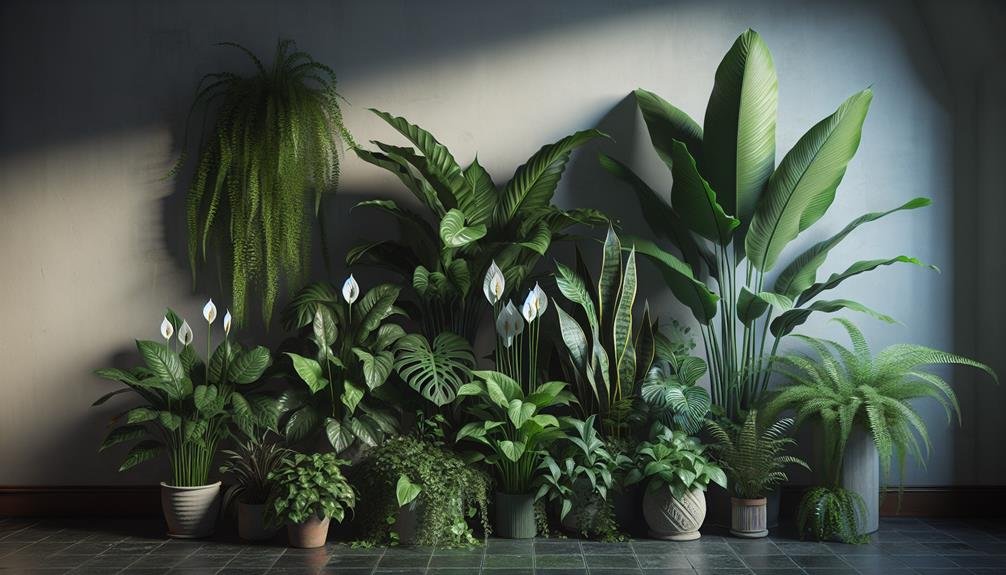
When looking to enhance your indoor space with greenery in areas that receive minimal sunlight, certain houseplants thrive exceptionally well in low-light environments. Peace lilies are a popular choice for their ability to bloom in low light and their air-purifying qualities.
The snake plant, also known as mother-in-law's tongue, is another great option as it can survive with minimal water and light. Chinese evergreens are low-maintenance plants that add a touch of color to dimly lit spaces.
If you prefer hanging plants, consider the pothos vine or the spider plant, both of which do well in low-light conditions. The cast-iron plant is incredibly resilient and can tolerate neglect and low light levels.
Lastly, the parlor palm is a graceful, slender plant that thrives in indirect sunlight, making it perfect for dimly lit corners. These houseplants are ideal for bringing life and vibrancy to your low-light indoor spaces.

Care Tips for Dark Space Plants
To ensure the health and vitality of your dark space plants, it's essential to provide them with proper care and attention. Begin by selecting plants that thrive in low-light conditions, such as peace lilies, snake plants, or pothos. These plants can adapt well to the limited light available in dark spaces. When watering your shade-loving plants, be cautious not to overwater them. Check the soil moisture levels regularly and only water when the top inch of soil feels dry to the touch. Additionally, consider using a well-draining potting mix to prevent waterlogging, which can lead to root rot in low-light environments.
In dark spaces, plants may grow more slowly due to the lack of sunlight. To promote growth, consider fertilizing your plants occasionally with a balanced, water-soluble fertilizer. Keep an eye out for any signs of pests or disease, as dark environments can sometimes encourage these issues. Lastly, rotate your plants occasionally to ensure all sides receive some light, promoting even growth and health. With these care tips, your shade-loving plants can thrive in your dark spaces.
Stylish Decor Ideas With Shade-Loving Plants
Enhance your living space with chic decor arrangements featuring your shade-loving plants. Incorporating these plants into your home decor can add a touch of elegance and freshness to even the darkest corners.
Consider placing a collection of different shade-loving plants in stylish ceramic pots of varying sizes on a decorative tray to create a visually appealing centerpiece for your coffee table or dining area.
Hang trailing plants like pothos or spider plants in macrame hangers near windows to add a bohemian flair to your space while utilizing natural light.
For a modern look, group together several small potted plants on floating shelves or wall-mounted planters. You can also place a larger shade-loving plant, such as a peace lily or a snake plant, in a stylish woven basket to serve as a statement piece in any room.
Common Mistakes to Avoid With Dark Space Houseplants
Avoid overlooking the importance of selecting the right type of shade-loving houseplants for your dark spaces to ensure their health and vitality. Choosing plants that thrive in low-light conditions is crucial. One common mistake is overwatering these plants. Dark spaces often have lower light levels, which means the soil may not dry out as quickly. Be mindful of watering needs and allow the soil to partially dry between waterings to prevent root rot.
Another mistake to avoid is forgetting to dust the leaves of your shade-loving houseplants. Dust can accumulate on the leaves, blocking sunlight absorption. Wipe the leaves gently with a damp cloth to keep them clean and allow the plant to photosynthesize effectively.
Additionally, neglecting to rotate your plants regularly can hinder their growth. Plants tend to grow towards the light source, so rotating them ensures even growth on all sides. Remember to turn your plants every few weeks to promote balanced development. By avoiding these common mistakes, you can help your shade-loving houseplants thrive in dark spaces.
Frequently Asked Questions
Can Shade-Loving Houseplants Thrive in Brightly Lit Spaces as Well?
Yes, shade-loving houseplants can thrive in brightly lit spaces as well. While they prefer less direct sunlight, many shade-loving plants can adapt to brighter conditions as long as they aren't exposed to intense, direct sunlight for extended periods.
Keep an eye on the plants for any signs of stress like wilting or yellowing leaves, and adjust their placement accordingly to find the right balance of light for them to flourish.
Are There Any Shade-Loving Houseplants That Are Safe for Pets to Be Around?
When choosing shade-loving houseplants safe for pets, consider options like spider plants, Boston ferns, or African violets.
These plants not only thrive in low light conditions but are also non-toxic to your furry companions.
Keep your space green and pet-friendly by selecting these varieties that will brighten up your home without posing any harm to your beloved animals.
How Often Should I Rotate My Shade-Loving Houseplants to Ensure Even Growth?
To ensure even growth for your shade-loving houseplants, rotate them every 1-2 weeks. This simple step helps all sides of the plant receive adequate light, preventing lopsided growth.
Keep an eye on your plants' direction of growth and adjust their position accordingly. By rotating them regularly, you'll promote balanced development and healthier foliage.
Can Shade-Loving Houseplants Be Placed Near Windows With Direct Sunlight?
You shouldn't place shade-loving houseplants near windows with direct sunlight. Even though they prefer low light, direct sun can harm them.
Opt for locations where they receive indirect or filtered light instead. This way, your plants will thrive and remain healthy.
Are There Any Specific Shade-Loving Houseplants That Are Known to Improve Indoor Air Quality?
Looking for shade-loving houseplants that also clean your indoor air? Yes, there are specific plants known to improve air quality.
Plants like peace lilies, spider plants, and snake plants are great choices. These houseplants not only thrive in low light conditions but also help purify the air by removing toxins.
Consider adding them to your indoor space for a breath of fresh air!
Conclusion
Overall, shade-loving houseplants are a great addition to any dark space in your home. Not only do they bring life and vibrancy to dim areas, but they also provide health benefits by purifying the air.
With the right care and attention, these plants can thrive and enhance the ambiance of your living space. Remember to choose the best plants for low-light environments, follow care tips, and avoid common mistakes to enjoy a beautiful indoor garden.