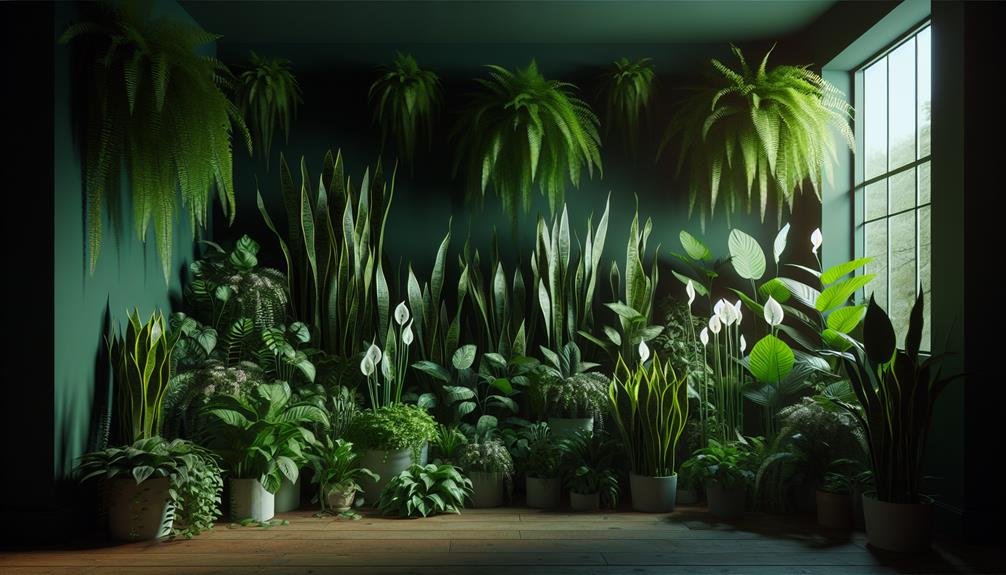
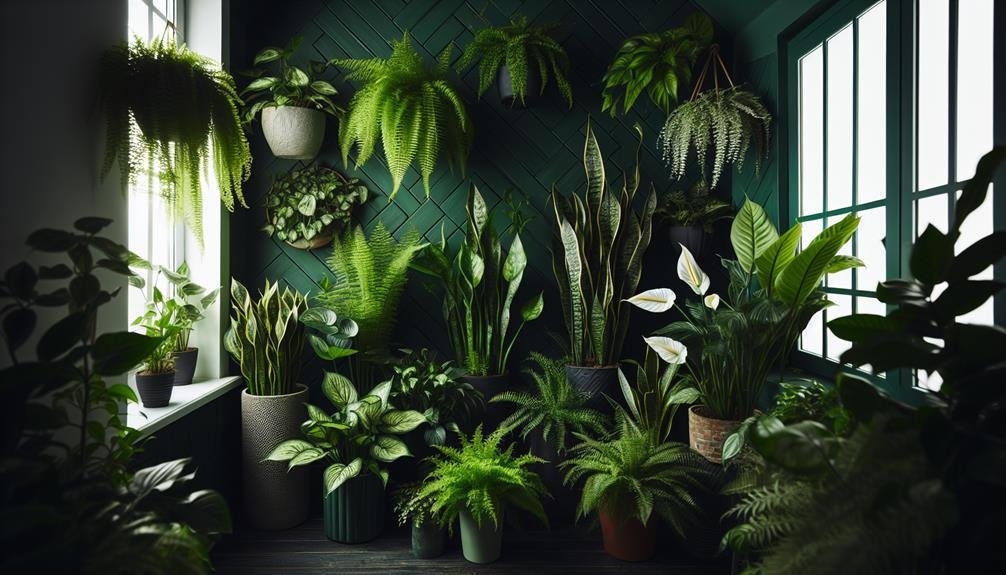
Step into the intriguing world where shadows dance with vibrant hues, revealing the delicate secrets of shade-loving plants.
Curious to uncover how ancient civilizations mastered the art of cultivating these elusive botanical beauties?
Discover the fascinating history, optimal cultivation conditions, propagation methods, diverse plant species, and essential care rituals that form the foundation of this time-honored horticultural practice.
Join us on a journey through the shadows, where every leaf whispers tales of botanical wisdom waiting to be unraveled.
History of Shade-loving Plants
Shade-loving plants have a long and fascinating history of adaptation to low-light environments. Over time, these resilient plants have developed unique characteristics to thrive in the shadows. From ancient forests to modern urban jungles, shade-loving plants have played a crucial role in ecosystems worldwide.
In ancient times, civilizations like the Egyptians and the Greeks revered shade-loving plants for their ornamental beauty and medicinal properties. These plants were often featured in myths and folklore, symbolizing resilience and strength in the face of adversity. As societies evolved, so did the cultivation techniques for these plants, leading to the development of shaded gardens and indoor green spaces.
Today, shade-loving plants continue to captivate gardeners and botanists alike. With advancements in technology and horticulture, we've a better understanding of how these plants adapt to low-light conditions. Through careful selection and cultivation, we can create lush and thriving shade gardens that honor the rich history of these remarkable plants.
Ideal Growing Conditions
To successfully cultivate shade-loving plants, understanding their ideal growing conditions is key to fostering healthy and vibrant growth. Shade-loving plants thrive in areas with dappled sunlight or partial shade, where direct sunlight is limited to a few hours a day. These plants prefer well-draining soil that's rich in organic matter to retain moisture without becoming waterlogged. When choosing a location for your shade-loving plants, consider areas with protection from harsh winds and extreme temperatures, such as near buildings or under the canopy of trees.
Maintaining consistent moisture levels is crucial for the health of shade-loving plants. Regular watering is essential, especially during hot and dry periods, to keep the soil consistently moist but not waterlogged. Mulching around the base of the plants can help retain moisture and regulate soil temperature. Fertilizing shade-loving plants sparingly in the spring can provide them with the nutrients they need to thrive. By creating these ideal growing conditions, you can ensure that your shade-loving plants flourish and bring beauty to your shaded garden spaces.
Propagation Techniques
Propagation techniques for shade-loving plants can vary depending on the specific plant species and desired outcome.

One common method is propagation through division, where you separate plant clumps into smaller sections, each with roots attached, to create new plants. This technique works well for plants like hostas and ferns.
Another popular method is stem cutting, where you cut a portion of the stem with at least one node, remove lower leaves, and plant it in a suitable medium to grow roots. This method is effective for plants such as begonias and rhododendrons.
Additionally, some shade-loving plants can be propagated through layering, where you encourage a stem to root while still attached to the parent plant. This technique is suitable for plants like azaleas and hydrangeas.
Common Shade-loving Plant Varieties
Exploring a variety of shade-loving plants can add depth and vibrancy to your garden landscape.
Some common shade-loving plant varieties that you might consider for your garden include hostas, known for their striking foliage and easy maintenance. Astilbes are another popular choice, with their feathery plumes of flowers in shades of pink, white, and red.
For a touch of exotic beauty, consider planting ferns, which come in a wide range of sizes and textures. If you prefer flowering plants, brunnera with its delicate blue flowers or the vibrant blooms of impatiens can thrive in shady spots. Japanese forest grass is an elegant option that adds a graceful touch with its cascading foliage.
Heucheras, also known as coral bells, offer a splash of color with their diverse leaf hues. These are just a few examples of the many shade-loving plants that can enhance the beauty of your garden oasis.
Maintenance and Care Tips
For successful growth of shade-loving plants, prioritize consistent watering and periodic fertilization to ensure their health and vibrancy.
Water your shade-loving plants regularly, especially during dry spells, to maintain soil moisture levels. Use a watering can or a gentle hose setting to water the plants at their base, avoiding wetting the foliage excessively. Ensure the soil is well-draining to prevent waterlogging, which can lead to root rot.
Additionally, apply a balanced fertilizer specifically formulated for shade-loving plants according to the package instructions. Fertilize your plants in the spring to support their growth during the active growing season.
Deadhead spent flowers to encourage new blooms and remove any diseased or damaged foliage promptly to prevent the spread of pests and diseases.
Monitor your shade garden regularly for signs of stress, such as wilting or yellowing leaves, and address any issues promptly to keep your plants thriving in the shaded environment.
Frequently Asked Questions
Can Shade-Loving Plants Be Grown Indoors?
Yes, shade-loving plants can thrive indoors with proper care. They require indirect sunlight, consistent watering, and well-draining soil.
Consider plants like peace lilies, ferns, or snake plants for low-light conditions. Place them near windows for natural light or use grow lights.
Remember to rotate plants for even growth and keep an eye on humidity levels. With attention to their needs, you can successfully grow shade-loving plants indoors.
Are There Any Shade-Loving Plants That Are Edible?
Yes, there are shade-loving plants that are edible. Some examples include leafy greens like spinach, kale, and lettuce. Herbs such as mint, parsley, and cilantro also thrive in shady conditions.
You can even grow certain fruits like strawberries and raspberries in areas with limited sunlight. These plants not only add greenery to your shaded spaces but also provide fresh and tasty ingredients for your meals.
Can Shade-Loving Plants Be Used for Landscaping in Sunny Areas?
Yes, shade-loving plants can be used for landscaping in sunny areas. While they may not thrive as well as they'd in shade, some varieties can adapt and still add beauty to your sunny garden.
Consider options like hostas, ferns, and certain types of hydrangeas. With proper care and attention, these plants can provide a lush and vibrant landscape even in areas with ample sunlight.
What Are Some Natural Predators of Shade-Loving Plants?
When it comes to shade-loving plants, some natural predators to watch out for include slugs, snails, and certain insects like aphids or spider mites. These critters can munch on your plants and cause damage.
Keeping an eye out for signs of infestation and taking preventive measures, such as using organic pest control methods or creating barriers, can help protect your shade-loving garden from these pests.
Are There Any Cultural or Symbolic Meanings Associated With Shade-Loving Plants in Different Cultures?
In different cultures, shade-loving plants often hold unique cultural and symbolic meanings. They can symbolize protection, tranquility, and even mystery.
For example, in some traditions, these plants are linked to the spirit world or seen as guardians of sacred spaces.
Understanding the cultural significance of shade-loving plants can deepen your appreciation for their beauty and connection to spiritual beliefs across various societies.
Conclusion
Overall, growing shade-loving plants is a rewarding and ancient art that can add beauty and tranquility to any garden or indoor space.
By understanding their history, ideal growing conditions, propagation techniques, common varieties, and maintenance tips, you can successfully cultivate a thriving oasis of greenery in the shade.
With a little knowledge and care, you can enjoy the lush foliage and vibrant blooms of these special plants for years to come.
Happy gardening!