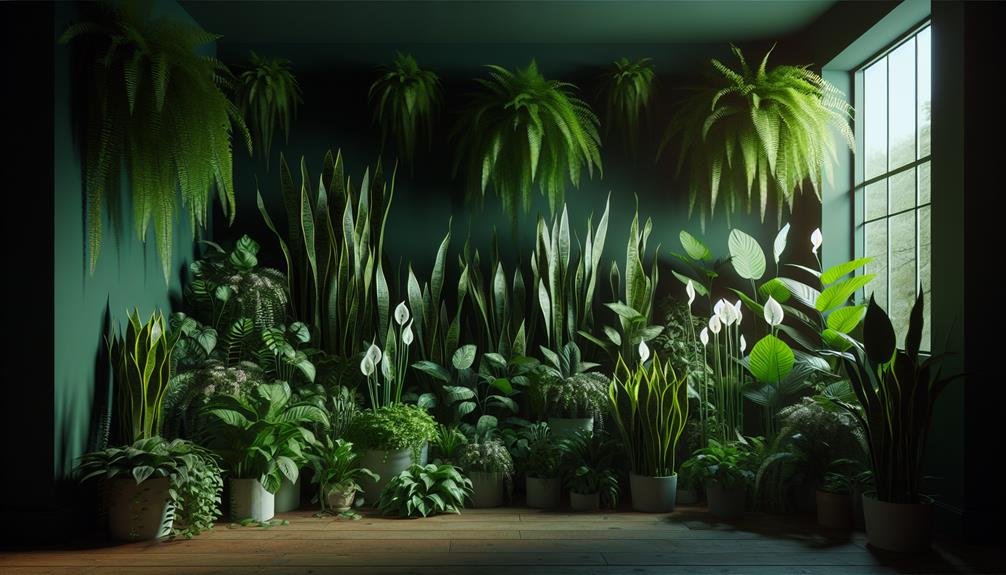
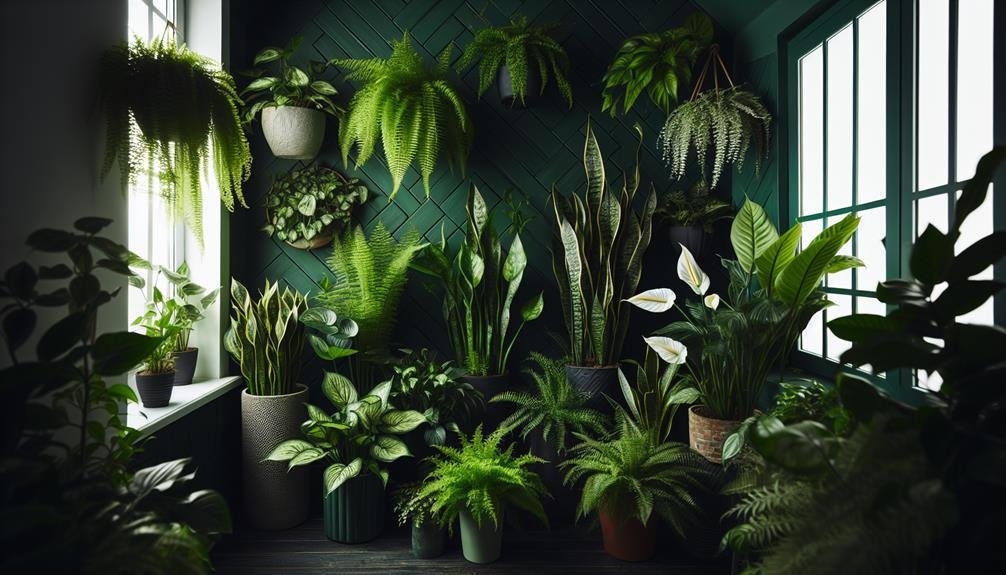
Have you ever wondered how certain houseplants manage to flourish in the shadows, defying the common belief that sunlight is essential for plant growth?
The mystery behind why some green companions thrive in minimal sunlight lies in their remarkable ability to adapt to low-light conditions.
Stay tuned to uncover the fascinating mechanisms that allow these plants to not just survive but thrive in the dim corners of your home.
Light Requirements of Houseplants
Discover how different houseplants respond to varying levels of sunlight to ensure they thrive in your home. Some houseplants, like succulents and cacti, thrive in bright, direct sunlight. These plants have adapted to hot, arid conditions and require at least six hours of sunlight per day to flourish.
On the other hand, there are houseplants that prefer indirect sunlight, such as spider plants and peace lilies. These plants can thrive in lower light conditions, making them ideal for rooms with limited natural light.
Understanding the light requirements of your houseplants is crucial for their overall health and growth. Placing a sun-loving plant in a dark corner will result in stunted growth and yellowing leaves. Similarly, exposing a shade-loving plant to direct sunlight can cause sunburn and leaf damage.
Adaptations for Low-Light Environments
Houseplants with adaptations for low-light environments have developed mechanisms to thrive in minimal sunlight. These plants have evolved unique features to make the most of the limited light available. One common adaptation is larger leaves with increased surface area to capture as much light as possible. This allows the plant to maximize light absorption for photosynthesis, even in dim conditions.
In addition, some low-light houseplants have developed the ability to efficiently convert light into energy through specialized pigments like chlorophyll. These pigments help the plant utilize whatever light is accessible more effectively. Furthermore, certain plants have adapted by slowing down their growth rate in low-light settings. By conserving energy and resources, they can survive with minimal sunlight.
Moreover, plants in low-light environments often have enhanced water retention capabilities. This helps them withstand longer periods without direct sunlight, as they can store water more efficiently. Overall, these adaptations equip houseplants to thrive in spaces with limited natural light, making them excellent choices for indoor environments with minimal sunlight.
Photosynthesis in Dim Light
In low-light environments, plants possess specialized mechanisms to optimize photosynthesis efficiency even in dim conditions. Despite the reduced sunlight, plants adapt to low-light settings through various strategies. One key adaptation is the ability to efficiently capture available light. Plants in dim environments have larger and broader leaves to maximize light absorption. Additionally, they contain higher levels of chlorophyll, the pigment responsible for capturing light energy.

To make the most of the limited light, plants also adjust their photosynthetic processes. They increase the number of chloroplasts in their cells, where photosynthesis occurs, to enhance light capture and conversion. Moreover, plants in low-light conditions may have higher chloroplast density per cell to improve photosynthetic efficiency.
Best Houseplants for Low-Light Conditions
Opt for houseplants that thrive in minimal sunlight for easy maintenance and greenery in dimly lit spaces. When choosing houseplants for low-light conditions, consider options like the snake plant, pothos, or peace lily.
Snake plants are hardy and can survive with minimal care, making them perfect for beginners or those with busy schedules. Pothos, with their trailing vines, add a touch of elegance to any room and can thrive in low-light settings. Peace lilies, known for their air-purifying qualities, are also great for low-light environments and bloom beautiful white flowers.
Another excellent choice for low-light areas is the spider plant, which requires little sunlight and helps clean the air in your home. If you prefer flowering plants, African violets are a fantastic option as they can bloom in low-light conditions and come in a variety of colors. These houseplants not only thrive in minimal sunlight but also add beauty and freshness to your indoor spaces effortlessly.
Tips for Caring for Shade-Loving Plants
For successful care of shade-loving plants, ensure you provide adequate watering and occasional fertilization to support their growth and health. When it comes to watering, it's crucial to keep the soil consistently moist but not waterlogged. Check the soil moisture levels regularly by inserting your finger into the soil; if it feels dry to the touch, it's time to water. However, avoid overwatering as it can lead to root rot and other issues.
In addition to watering, consider fertilizing your shade-loving plants to provide them with essential nutrients. Opt for a balanced liquid fertilizer and apply it at half-strength every 4-6 weeks during the growing season. This will help keep your plants healthy and promote steady growth.
Furthermore, regular pruning is essential for shade-loving plants to maintain their shape and encourage new growth. Remove any yellowing or dead leaves, and trim back leggy stems to promote bushier growth. By following these simple care tips, you can ensure that your shade-loving plants thrive and beautify your indoor space.
Frequently Asked Questions
Can Artificial Light Be Used as a Substitute for Natural Sunlight for Houseplants That Thrive in Minimal Sunlight?
Yes, artificial light can serve as a substitute for natural sunlight for houseplants that thrive in minimal sunlight. Ensure the artificial light provides the right spectrum and intensity to support plant growth.
Position the light source appropriately to mimic the sun's direction. Regularly monitor and adjust the lighting duration to meet the specific needs of your plants.
With proper care and attention, your houseplants can flourish even in spaces with minimal natural sunlight.
How Do You Know if a Houseplant Is Not Getting Enough Sunlight and Needs to Be Moved to a Brighter Location?
If you notice your houseplant's leaves are turning yellow or drooping, it mightn't be getting enough sunlight. To determine if it needs more light, monitor its growth and the condition of its leaves.
If you see signs of poor health, try moving it to a brighter spot. Remember, each plant has unique light requirements, so pay attention to any changes in its appearance to ensure it thrives in its new location.
Are There Any Houseplants That Can Actually Be Harmed by Too Much Sunlight and Prefer Minimal Light Conditions?
Some houseplants can be harmed by excessive sunlight and actually prefer minimal light conditions. These plants have adapted to thrive in low-light environments, making them more sensitive to direct sunlight.
Too much sun exposure can lead to sunburn, wilting, or even scorched leaves. It's important to identify these plants and provide them with the appropriate lighting conditions to ensure they stay healthy and vibrant in your home.
Can Certain Houseplants Adapt to Low-Light Environments Over Time, or Do They Always Require Minimal Sunlight to Thrive?
Certain houseplants can adapt to low-light environments over time. They may not always require minimal sunlight to thrive, as some can adjust and still grow well.
Keep an eye on your plant's response to light levels and adjust as needed. Remember, each plant has its own preferences, so pay attention to signs of stress or growth to determine the best lighting conditions for your specific houseplant.
Are There Any Specific Soil or Fertilizer Requirements for Houseplants That Prefer Minimal Sunlight Compared to Those That Need More Sunlight?
For houseplants that prefer minimal sunlight, consider using well-draining soil to prevent waterlogging.
Opt for a balanced fertilizer with lower nitrogen content to promote healthy growth without excessive foliage.
Remember, these plants may not require as much nutrient input as their sun-loving counterparts.
Conclusion
So next time you're looking for houseplants that can thrive in minimal sunlight, remember that there are plenty of options available.
With the right care and attention, shade-loving plants can brighten up any room in your home. Just be sure to provide them with the necessary conditions and they'll continue to grow and thrive, even in low-light environments.
Happy gardening!