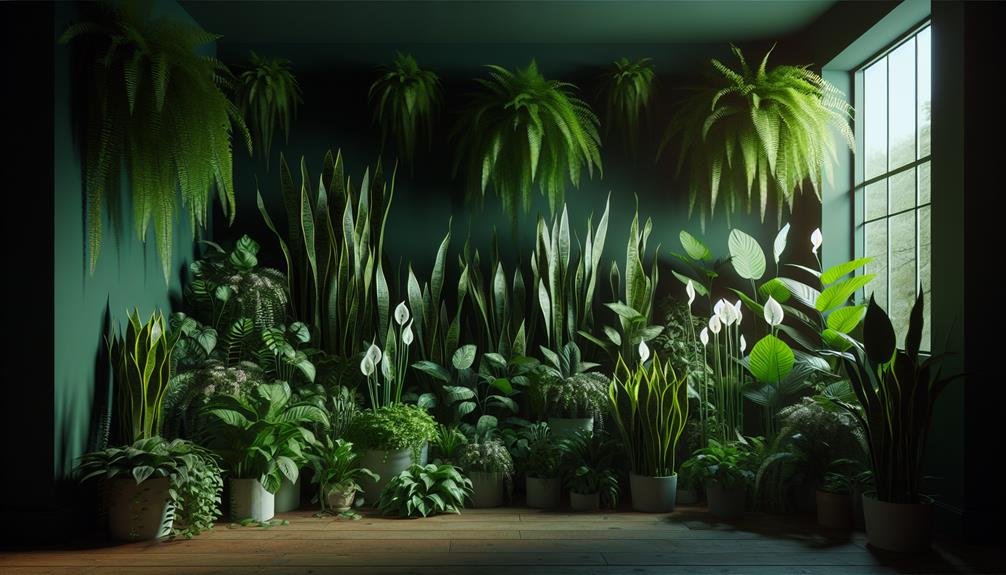
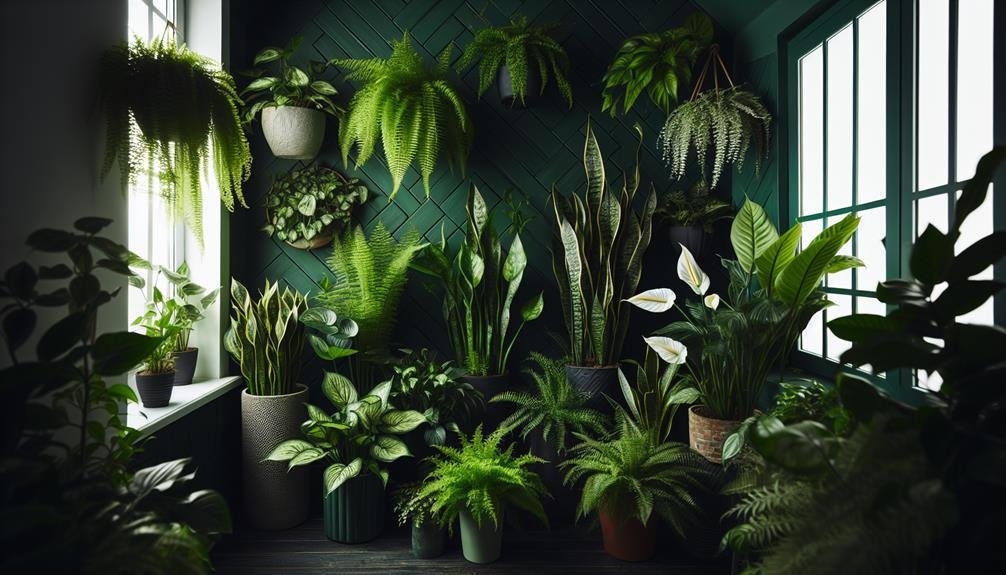
Did you know that up to 15% of a home's square footage can fall under dimly lit areas? In these spaces, finding the right plants that can thrive can be a challenge. However, there are solutions available to bring greenery into even the darkest corners of your living or working environment.
Discover how certain plants have adapted to low light conditions and learn about the top choices that can add life to your dimly lit spaces. Explore the benefits of incorporating these plants into your surroundings and create a healthier, more vibrant atmosphere effortlessly.
Benefits of Plants in Low Light
Wondering how plants thrive in low light conditions? Well, despite the lack of bright sunlight, plants are incredibly adaptable and can still grow and flourish in dimly lit spaces. One key benefit of having plants in low light areas is their ability to purify the air. Plants such as peace lilies and snake plants are known for their air-purifying qualities, removing toxins and increasing oxygen levels even in rooms with minimal natural light.
Additionally, having plants in low light environments can boost your mood and productivity. Studies have shown that being around plants can reduce stress, improve concentration, and enhance overall well-being. So, even if your space doesn't receive abundant sunlight, incorporating plants can still have a positive impact on your mental health.
Moreover, plants can add a touch of nature and beauty to any room, creating a more inviting and lively atmosphere. Their green foliage can bring a sense of tranquility and freshness to indoor spaces, making them a perfect addition to dimly lit areas in your home or office.
Top 5 Low Light Plants
When choosing plants for dimly lit spaces, consider these top 5 low light options.
- Snake Plant: Known for its air-purifying qualities, the snake plant thrives in low light conditions, making it perfect for offices or bedrooms with minimal sunlight. Its striking upright leaves add a touch of green to any space.
- Spider Plant: With its arching leaves and easy care requirements, the spider plant is an excellent choice for low light areas. It can even help in improving air quality by removing toxins.
- Peace Lily: The peace lily isn't only beautiful with its white blooms, but it also does well in low light. This plant is perfect for adding a pop of color to dim spaces.
- ZZ Plant: The ZZ plant is a hardy option that can survive in low light environments with infrequent watering. Its glossy green leaves bring a modern touch to any room.
- Pothos: Pothos plants are versatile and can thrive in various lighting conditions, including low light. Their cascading vines are great for adding a touch of greenery to shelves or hanging baskets in dimly lit areas.
Care Tips for Dimly Lit Plants
Considering the low light conditions these top 5 plants thrive in, it's important to understand the care tips for maintaining their health in dimly lit spaces. Firstly, make sure to place your plants near a window to maximize the available light they receive. Even though they can survive in low light, a bit of indirect sunlight will still benefit them.
Watering is crucial but be cautious not to overwater. Check the soil moisture regularly and only water when the top inch feels dry. These plants are accustomed to low light levels, so they don't need as much water as those in brighter conditions.
Fertilizing should be done sparingly. During the growing season, which is usually spring and summer, you can fertilize once a month with a diluted, balanced fertilizer. In the colder months, reduce this to every 6-8 weeks.
Lastly, keep an eye out for pests. Dimly lit spaces can sometimes attract pests like spider mites. Regularly inspect the leaves for any signs of infestation and treat them promptly to keep your plants healthy and thriving.

Creative Display Ideas
To enhance the ambiance of your dimly lit space, explore creative ways to display your low light plants. Hanging planters can add a touch of elegance and save precious floor space. Consider macramé hangers for a bohemian vibe or sleek metal designs for a modern look.
Wall-mounted planters are another fantastic option, creating a living work of art while keeping your plants out of reach from curious pets or children. Mix and match different plant sizes and types for visual interest.
Utilize shelves to create a green oasis in your home – stagger plants at varying heights for a dynamic display. Terrariums are an excellent choice for smaller plants, adding a whimsical touch to your decor. Group plants together in clusters to create a lush mini-jungle effect.
Don't forget to rotate your plants occasionally to ensure even growth and exposure to light. Experiment with different arrangements until you find the perfect display that complements your space.
Troubleshooting Common Issues
If your low light plants are showing signs of distress, assess their environment and care routine to identify and address any common issues.
One common problem is overwatering. Make sure the pots have proper drainage and allow the soil to dry slightly between waterings.
On the other hand, underwatering can also cause issues. Check the soil moisture regularly and adjust your watering schedule accordingly.
Low humidity levels can lead to brown tips on the leaves. Increase humidity by misting the plants or placing a tray of water nearby.
Lack of nutrients may cause yellowing leaves. Consider using a balanced fertilizer to provide the necessary nutrients.
Pests like spider mites and mealybugs can also infest low light plants. Inspect your plants regularly and treat any infestations promptly.
Lastly, inadequate light can result in leggy growth or faded leaves. Consider moving the plants to a slightly brighter location or supplementing with artificial light if needed.
Frequently Asked Questions
Can Low Light Plants Survive in Completely Dark Spaces?
Low light plants need some light to survive, even if it's minimal. Completely dark spaces won't support their growth. Light is essential for photosynthesis, the process plants use to make food. Without any light, plants will struggle to produce energy and eventually wither.
Do Low Light Plants Require Less Water Compared to Plants in Well-Lit Areas?
In low light conditions, plants typically require less water compared to those in well-lit areas. The reduced light levels result in slower growth and lower water consumption rates for the plants.
It's important to adjust your watering schedule accordingly to prevent overwatering, which can lead to root rot. Be mindful of the moisture levels in the soil and only water when necessary to keep your low light plants healthy and thriving.
Are There Any Low Light Plants That Can Bloom or Produce Flowers?
Sure thing!
Yes, there are low light plants that can bloom or produce flowers. Some examples include peace lilies, snake plants, and African violets. These plants don't need intense sunlight to bloom, making them perfect for dimly lit spaces.
With proper care and attention to watering and fertilizing, you can enjoy the beauty of blooming plants even in areas with limited natural light.
Can Low Light Plants Improve Air Quality in a Dimly Lit Room?
Low light plants can indeed improve air quality in a dimly lit room. They help by absorbing carbon dioxide and releasing oxygen through photosynthesis, which can freshen up the air in your space.
Having some green friends around can make a positive difference in the air you breathe, even in low light conditions. Consider adding these plants to enhance your indoor air quality and create a healthier environment for yourself.
Are There Any Low Light Plants That Are Toxic to Pets or Children?
When it comes to low light plants, it's essential to consider potential toxicity to pets or children. Some varieties like peace lilies, pothos, and snake plants, while great for low light, can be harmful if ingested. Keep these out of reach of curious pets or little ones.
Be cautious and research each plant's toxicity levels before bringing them into your home to ensure a safe environment for everyone.
Conclusion
Overall, incorporating plants into dimly lit spaces can bring life and vibrancy to any room.
With the right selection of low light plants and proper care, you can enjoy the benefits of improved air quality and a touch of nature even in areas with limited natural light.
Remember to regularly check on your plants, provide them with the necessary care, and get creative with how you display them to enhance your space.
Happy planting!