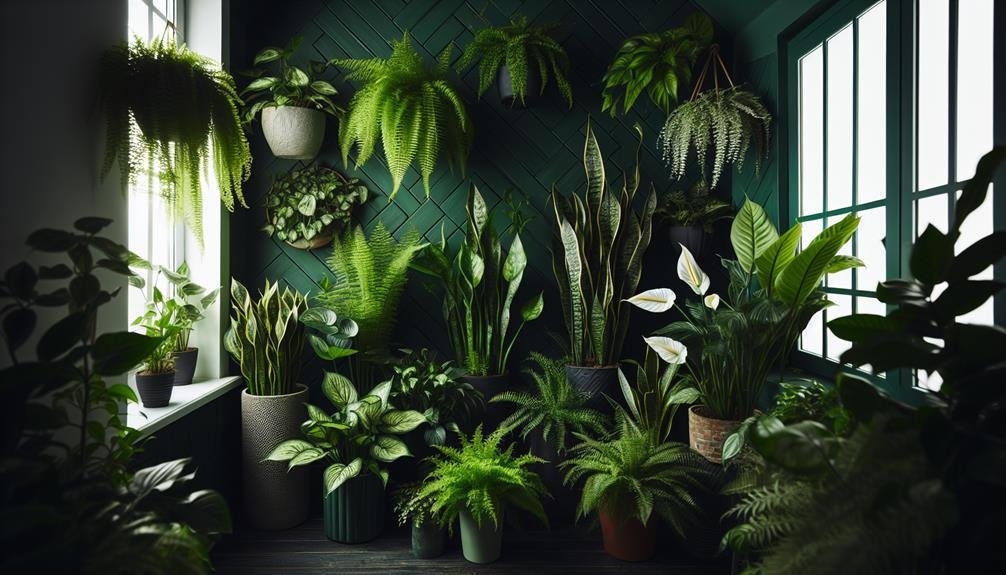
As you dip your toes into the world of plant propagation, the art of multiplying your green companions through cuttings might seem like a daunting task at first glance. But fear not, for with the right guidance and techniques, you'll soon find yourself nurturing a flourishing garden that's not only cost-effective but also deeply rewarding.
So, get ready to unlock the secrets of successfully propagating plants with cuttings, and discover a whole new realm of possibilities waiting for you just a snip away.
Benefits of Plant Propagation
When propagating plants, you can enjoy the benefits of creating new greenery without the need to purchase additional plants. This process allows you to expand your plant collection at little to no cost, making it a budget-friendly way to fill your home with more greenery. Not only does plant propagation save you money, but it also gives you the opportunity to share your love of gardening with friends and family. By propagating your plants, you can gift them cuttings to start their own indoor gardens, fostering a sense of community and connection through a shared interest in plants.
Furthermore, propagating plants can be a rewarding experience that deepens your understanding of plant growth and care. Watching a cutting develop roots and grow into a thriving plant can be incredibly gratifying, boosting your confidence as a plant parent. Additionally, propagating plants allows you to preserve the characteristics of your favorite plants, ensuring that you can enjoy them for years to come.
Types of Cuttings to Use
To propagate plants successfully, selecting the appropriate types of cuttings is crucial for ensuring successful root development. There are several common types of cuttings you can use, each with its own unique characteristics.
Softwood cuttings are taken from new, green growth and root quickly but require more attention to prevent wilting. Hardwood cuttings are taken from mature wood, root more slowly, but are generally more resilient.
Semi-hardwood cuttings are slightly more mature than softwood cuttings and strike a balance between the two in terms of rooting time and durability. Herbaceous cuttings are taken from non-woody, soft-stemmed plants and root relatively quickly.
Leaf cuttings, as the name suggests, involve propagating new plants from a single leaf. Finally, root cuttings involve taking a piece of root and encouraging it to grow into a new plant.
Essential Tools and Materials
After identifying the appropriate types of cuttings for your plant propagation project, the next step is to gather the essential tools and materials required for the process.
To successfully propagate plants from cuttings, you'll need a few key items. First, ensure you have a sharp, clean pair of pruning shears or scissors to take cuttings from the donor plant. Clean cuts are essential for successful propagation.

You'll also need rooting hormone to encourage root growth on your cuttings. This hormone can be found at most gardening stores and is a crucial element in the propagation process.
Additionally, prepare some small pots or containers filled with a well-draining potting mix. These will be used to plant your cuttings and provide them with the necessary nutrients.
Lastly, a spray bottle filled with water will help keep the cuttings hydrated as they establish roots. With these essential tools and materials in hand, you're ready to move on to the propagation process itself.
Step-by-Step Propagation Process
Prepare your workspace by gathering all the necessary tools and materials for the propagation process. Begin by selecting a healthy plant to take cuttings from. Use sharp, clean shears to cut a 4-6 inch section of a stem just below a node, ensuring there are at least two nodes on the cutting. Remove any lower leaves to expose the nodes where roots will form.
Next, dip the cut end of the stem into a rooting hormone to encourage root development. Plant the cutting in a well-draining potting mix, ensuring the node where the roots will emerge is buried in the soil. Water the cutting thoroughly and place it in a warm, bright location with indirect sunlight.
Keep the soil consistently moist but not waterlogged to promote root growth. Mist the cutting regularly to maintain humidity levels. After a few weeks, gently tug on the cutting to check for resistance, indicating root development. Once roots have established, transplant the cutting into a larger container to continue growing.
Tips for Successful Plant Growth
For successful plant growth, maintain a consistent watering schedule based on the plant's specific needs. Water is essential for plants to thrive, but overwatering can lead to root rot, while underwatering can cause wilting and stunted growth. Research the watering needs of each plant species you propagate to ensure you provide just the right amount of moisture. Generally, it's better to water deeply and less frequently than to water lightly but often.
In addition to proper watering, ensure your plants receive adequate sunlight. Most plants require a balance of sunlight and shade, so find the ideal spot in your home that meets these requirements. Regularly inspect your plants for any signs of pests or diseases and take action promptly if you notice any issues. Pruning your plants as needed will encourage healthy growth and prevent overcrowding.
Lastly, stay patient and consistent in caring for your propagated plants, as they may take some time to establish themselves and start growing vigorously. With these tips in mind, you can enjoy successful plant growth and a thriving indoor garden.
Frequently Asked Questions
How Long Does It Typically Take for a Cutting to Root and Start Growing Into a New Plant?
Typically, a cutting takes a few weeks to root and start growing into a new plant. During this time, make sure to provide the right conditions like moisture and warmth.
Once roots develop, you'll notice new growth emerging. It's an exciting process to witness your cutting transforming into a thriving plant.
Just be patient and caring, and soon you'll have a beautiful new addition to your plant collection.
Can I Propagate Plants From Cuttings All Year Round, or Are There Specific Seasons That Are Better for Propagation?
You can propagate plants from cuttings all year round, but some seasons might be more ideal for certain plants. Generally, spring and summer offer optimal conditions for propagation due to increased sunlight and warmth, promoting faster root growth.
However, with proper care and attention to the specific needs of each plant, successful propagation can be achieved at any time of the year.
Are There Any Specific Types of Plants That Are More Difficult to Propagate From Cuttings Compared to Others?
Some plants can be trickier to propagate from cuttings than others. Factors like the plant's natural growth habits, rooting tendencies, and overall hardiness can affect how easy it's to propagate them successfully.
While some plants root effortlessly, others may require more specific conditions or techniques. It's a good idea to research the specific plant you're looking to propagate to understand any challenges you might encounter.
Is It Necessary to Use Rooting Hormone When Propagating Plants From Cuttings, or Are There Alternative Methods to Promote Root Growth?
When propagating plants from cuttings, using rooting hormone isn't always necessary. You can promote root growth through alternative methods like misting, bottom heat, or using a propagation box.
These techniques can help encourage roots to develop without the need for synthetic hormones. Experiment with different methods to see what works best for the specific plants you're trying to propagate.
What Are Some Common Mistakes to Avoid When Propagating Plants From Cuttings That Could Hinder Successful Growth?
When propagating plants from cuttings, avoid common mistakes like:
- Not using a sharp, clean cutting tool
- Choosing unhealthy or diseased parent plants
- Neglecting proper humidity levels
Make sure your cuttings have a good rooting environment, with:
- Well-draining soil
- Adequate moisture
Don't forget to:
- Remove any leaves that may be submerged in the soil, as they can lead to rot
Stay vigilant and give your cuttings the care they need for successful growth.
Conclusion
Now that you have learned the ultimate guide to propagating plants with cuttings, you're ready to start growing your own plants at home!
Remember to use the right tools and materials, choose the right type of cutting, and follow the step-by-step process for successful plant growth.
With a little patience and care, you'll soon have a beautiful collection of propagated plants to enjoy.
Happy propagating!