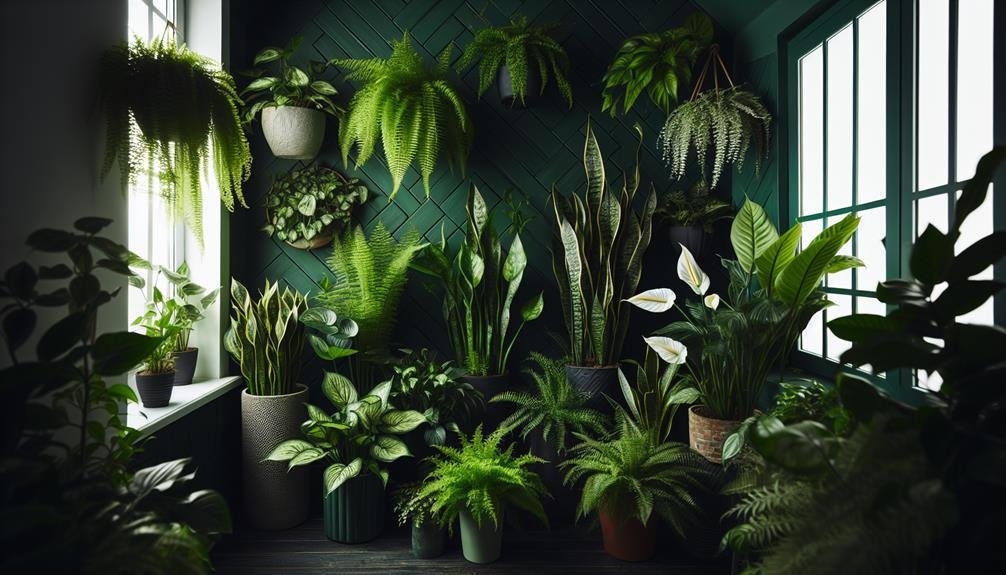
When you see your friend effortlessly propagate their Monstera plant, you might wonder how they make it seem so easy. The key to successful propagation lies in understanding the intricacies of each houseplant species and tailoring your approach accordingly.
By mastering the art of propagation, you not only expand your plant collection but also gain a deeper appreciation for the resilience and adaptability of these green companions.
Stay tuned to uncover the secrets that will elevate your propagation game and transform you into a green-thumbed aficionado.
Benefits of Propagating Houseplants
By propagating houseplants, you can easily expand your indoor garden while saving money on purchasing new plants. Not only is it a cost-effective way to grow your plant collection, but it also allows you to experiment with different varieties without breaking the bank. As you propagate your houseplants, you'll experience the joy of watching new life emerge and grow, deepening your connection to nature and fostering a sense of accomplishment.
In addition to the financial benefits, propagating houseplants can also be a rewarding and educational experience. You'll learn more about the life cycle of plants, understanding the process of how they reproduce and grow. This hands-on approach to gardening can help you develop a green thumb and improve your overall plant care skills.
Furthermore, propagating houseplants gives you the opportunity to share your love for plants with friends and family. You can gift propagated plants as thoughtful presents, spreading beauty and greenery to your loved ones' homes. Overall, the benefits of propagating houseplants go beyond just saving money – it's a fulfilling and enriching hobby that brings nature closer to you.
Choosing the Right Propagation Method
When selecting the appropriate propagation method for your houseplants, consider the specific needs and characteristics of each plant species. Some plants propagate best through stem cuttings, which involve taking a cutting from the parent plant and encouraging it to grow roots in water or soil. This method works well for plants like pothos and philodendrons.
Other plants, such as succulents, thrive through leaf cuttings, where a leaf is removed and placed on top of soil until roots form. For plants like spider plants or snake plants, division is a suitable method, where the parent plant is divided into smaller sections, each with roots and stems.
Air layering is another technique suitable for plants like rubber plants, where a portion of the stem is encouraged to root while still attached to the parent plant. By understanding the propagation needs of your houseplants, you can choose the right method to ensure successful growth and propagation.
Essential Tools for Successful Propagation
To successfully propagate your houseplants, having the right tools is key in aiding the growth and development of new plant offspring. Essential tools for successful propagation include sharp scissors or pruning shears for taking clean cuttings from the parent plant. A clean cut ensures better healing and encourages the growth of roots.

Additionally, a rooting hormone can be beneficial in promoting root development on the cuttings. A suitable rooting medium, such as perlite, vermiculite, or a mix of peat and perlite, provides the ideal environment for the cuttings to develop roots.
Small pots or containers are necessary for planting the cuttings, allowing them to establish themselves before being transferred to larger pots. A spray bottle filled with water helps in keeping the cuttings moist without overwatering them.
Lastly, a clear plastic bag or a propagation dome can create a humid environment that aids in the propagation process. By having these essential tools on hand, you set yourself up for successful houseplant propagation.
Step-by-Step Guide to Propagating Houseplants
For successful propagation of your houseplants, start by selecting a healthy parent plant with strong stems and vibrant foliage. Choose a plant that's free from pests and diseases to ensure the best chances of successful propagation. Once you have your ideal parent plant, gather your tools, including a sharp pair of scissors or pruning shears, a clean container filled with well-draining soil or water, and optional rooting hormone.
Identify a healthy stem on the parent plant that you want to propagate. Make a clean cut just below a node using your sharp tool. Remove any leaves from the lower part of the cutting to prevent rotting when placed in the propagation medium. Dip the cut end into rooting hormone if desired, as this can help stimulate root growth.
Place the cutting into the prepared soil or water, ensuring that at least one node is submerged. Keep the cutting in a warm, humid environment with indirect light. Monitor the soil moisture or water level, and in a few weeks, you should start to see roots forming. Congratulations, you have successfully started the propagation process for your houseplant!
Troubleshooting Common Propagation Issues
Having encountered challenges during the propagation process can be frustrating, but understanding and addressing common issues will help you successfully propagate your houseplants.
One common problem is root rot, which occurs when the cutting is left in water for too long, leading to the roots becoming mushy and prone to disease. To prevent this, make sure to change the water regularly and use a clean container.
Another issue is mold growth, which can develop in overly damp conditions. To combat this, ensure good air circulation around your cutting and avoid overcrowding them.
Wilting or yellowing leaves may indicate overwatering or underwatering. Adjust your watering schedule accordingly by allowing the soil to dry out slightly between waterings.
Finally, if your cutting isn't rooting, it may lack the necessary hormones to stimulate growth. Try using a rooting hormone to encourage root development and increase the chances of successful propagation.
Frequently Asked Questions
Can I Propagate Different Types of Houseplants Together in the Same Container?
Yes, you can propagate different types of houseplants together in the same container. However, it's essential to consider their individual needs for light, water, and soil.
Make sure they're compatible and won't compete for resources. Keep an eye on their growth and adjust care as needed.
With proper attention, you can successfully propagate a variety of houseplants together in one container.
How Often Should I Water My Propagated Houseplants?
When propagating houseplants, water them consistently but don't overdo it. Check the soil moisture regularly by sticking your finger into the soil. If it feels dry about an inch down, it's time to water. Typically, every 1-2 weeks should suffice, but adjust based on the plant's needs.
Is It Necessary to Use Rooting Hormone When Propagating Houseplants?
When propagating houseplants, using rooting hormone isn't always necessary, but it can help speed up the process. It can encourage faster root development and overall success rates.
So, if you're looking to increase your chances of successful propagation, consider using rooting hormone. Just remember, it's not a must, but it can definitely be beneficial in many cases.
Try it out and see how it works for your plants!
Can I Propagate Houseplants in Water Indefinitely, or Do They Need to Be Transferred to Soil at Some Point?
You can propagate houseplants in water for a while, but eventually, they need to be transferred to soil. Water propagation helps roots develop, but soil provides necessary nutrients for long-term growth.
Once roots are established, make the move to soil to support the plant's overall health and development. Remember, striking a balance between water and soil propagation ensures successful growth for your houseplants.
What Are the Best Practices for Acclimating Propagated Houseplants to Their New Environment?
When acclimating propagated houseplants to their new environment, start by gradually exposing them to the conditions of their new home. Increase their time in the new spot slowly, allowing them to adjust to different light, humidity, and temperature levels.
Be attentive to signs of stress like wilting or discoloration, and adjust accordingly. Remember, patience is key in helping your plants thrive in their new surroundings.
Conclusion
Now that you have mastered the art of propagating houseplants, you can enjoy the benefits of expanding your plant collection for free.
Remember to choose the right method, use the essential tools, and follow the step-by-step guide for successful propagation.
With a little patience and troubleshooting skills, you'll be able to propagate your favorite houseplants with ease.
Happy propagating!