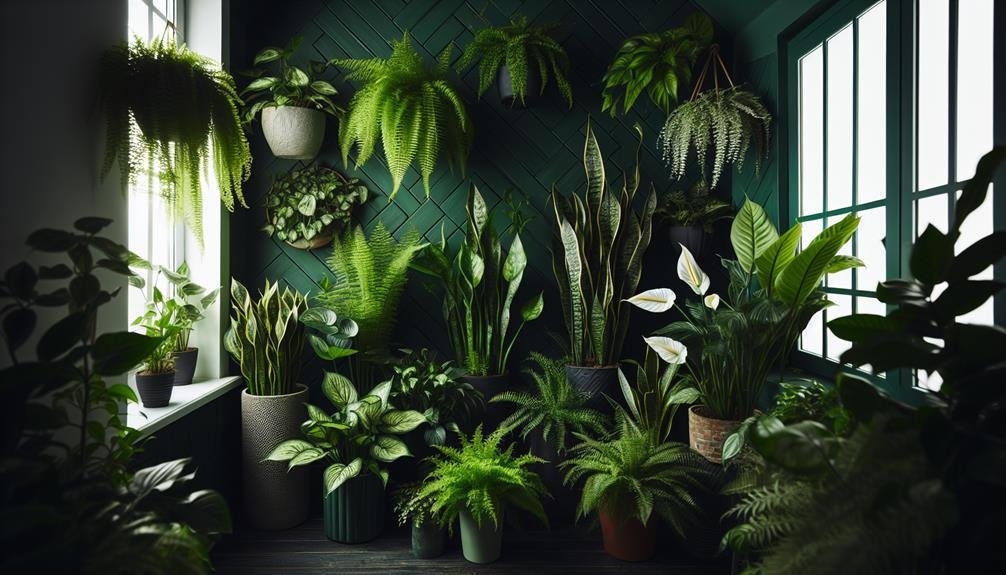
Imagine transforming a single leaf into a flourishing new plant, adding greenery and life to your space effortlessly.
Discover the secrets behind successfully propagating houseplants with cuttings. From selecting the right plant stems to nurturing them into thriving new additions to your indoor garden, this guide will equip you with essential knowledge and practical tips to embark on your propagation journey.
Let's dive into the fascinating world of plant propagation and unlock the potential of creating an endless cycle of greenery in your home.
Choosing the Right Plant Cuttings
When selecting plant cuttings for propagation, remember to choose healthy stems from well-established plants. Look for stems that are free from diseases, pests, or any signs of stress. Healthy cuttings have vibrant leaves, firm stems, and no discoloration. Avoid selecting cuttings from plants that are struggling or weak, as they may not root successfully. Additionally, choose stems that are neither too young nor too old. Young stems may not have developed enough to root properly, while old stems may have a harder time establishing new roots.
Consider the season when selecting your plant cuttings, as some plants root more easily during specific times of the year. Spring and early summer are generally good times for many houseplants, as they're in their active growth phase. Lastly, ensure that the plant cuttings you choose are the appropriate length, typically around 4-6 inches, with at least a few nodes where roots can develop. By selecting the right plant cuttings, you set yourself up for a successful propagation process.
Preparing Your Cutting Tools
To ensure successful propagation, sharpen your cutting tools before moving on to the next step. Sharp tools make clean cuts, reducing the risk of damaging the plant and increasing the chances of successful rooting. Use a sharpening stone or a tool sharpener to sharpen your scissors or pruning shears. Check the blades for any nicks or damage that could hinder clean cuts and fix them if needed.
After sharpening, disinfect your cutting tools to prevent the spread of diseases between plants. Soak the blades in a solution of one part bleach to nine parts water for about 5-10 minutes, then rinse them with clean water and dry thoroughly. This simple step helps protect both the parent plant and the new cuttings.
Remember to always keep your cutting tools clean and sharp for each propagation session. Properly maintained tools not only make the process easier for you but also promote healthier plant growth. Now that your tools are ready, you're all set to move on to the next step: selecting the right propagation medium.
Propagation Medium Options
Consider various options for the propagation medium to provide the best environment for successful rooting of your plant cuttings. When choosing a medium, look for one that retains moisture while still allowing for proper drainage.
A popular choice is a mix of peat moss and perlite, creating a well-balanced environment for roots to develop. Alternatively, you can opt for a mixture of potting soil and sand for good drainage. Some gardeners prefer using water as a propagation medium, especially for plants like pothos or spider plants. Water propagation can be visually appealing as you watch the roots grow.

For succulents and cacti, a mix of cactus soil and perlite works best due to their specific moisture needs. Whichever medium you choose, ensure it's clean and sterile to prevent diseases and rot. Experiment with different mediums to find the one that works best for the specific plants you're propagating.
Steps for Propagating Cuttings
Start by selecting a healthy stem from the parent plant for propagation. Look for a stem that isn't flowering and has at least a few leaves. Using sharp, clean scissors, make a diagonal cut right below a node, which is where a leaf meets the stem. Remove any leaves from the lower half of the cutting to prevent rotting.
Next, dip the cut end of the stem into a rooting hormone powder to encourage root development. Shake off any excess powder before planting the cutting. Place the cutting into a small pot filled with moist propagation medium, such as perlite or a mix of peat moss and sand. Gently press the medium around the cutting to hold it upright.
Place the pot in a warm, bright location, but avoid direct sunlight to prevent the cutting from drying out. Keep the soil consistently moist, but not waterlogged. Mist the cutting regularly to maintain humidity around it.
In a few weeks, you should start to see roots forming. Once the cutting has established roots, you can treat it like a mature plant.
Caring for New Plant Babies
Once your new plant babies have rooted successfully, ensure their continued growth by providing proper care and attention. Place them in a well-lit area, but be cautious of direct sunlight, which can scorch delicate roots. Keep the soil consistently moist but not waterlogged; overwatering can lead to root rot. A good rule of thumb is to let the top inch of soil dry out before watering again. Consider misting the leaves occasionally to maintain humidity levels, especially if you live in a dry climate.
Regularly check for any signs of pests or diseases. Inspect both the leaves and the stems for any unusual spots, webs, or discoloration. If you notice any issues, address them promptly to prevent them from spreading to other plants. As your plant babies grow, you may need to repot them into slightly larger containers to provide ample space for their roots to expand.
Frequently Asked Questions
How Often Should I Water My Propagated Plant Cuttings?
When propagating plant cuttings, remember to water them sparingly. Overwatering can lead to rotting. As a general rule, allow the soil to dry out slightly between watering sessions.
Stick your finger into the soil about an inch deep to check for moisture. If it feels dry, it's time to water. Always adjust based on your specific plant's needs and the environmental conditions it's in.
Can I Propagate Houseplants With Cuttings During the Winter Months?
Yes, you can propagate houseplants with cuttings during the winter months. While the growth may be slower due to lower light levels and cooler temperatures, it's still possible to successfully propagate your plants during this time.
Just make sure to provide adequate warmth and light to support the growth of the new roots. With proper care and attention, your cuttings can thrive even in the winter season.
Is It Necessary to Use Rooting Hormone When Propagating Plant Cuttings?
When propagating plant cuttings, using rooting hormone isn't always necessary, but it can help increase the chances of success. Rooting hormone encourages root development and can speed up the propagation process.
If you're new to propagating plants, using rooting hormone can be a good idea to give your cuttings the best chance at thriving. Consider giving it a try to see if it makes a difference in your propagation success rates.
How Long Does It Typically Take for Plant Cuttings to Root and Start Growing?
It usually takes plant cuttings a few weeks to a couple of months to root and start growing. Factors like plant type, environmental conditions, and care practices can influence the timeline.
Keep the soil consistently moist, provide indirect light, and ensure proper warmth for successful rooting. Be patient and check for root development by gently tugging on the cutting after a few weeks.
With the right conditions, your plant cuttings will soon show signs of new growth.
What Are Some Common Mistakes to Avoid When Propagating Houseplants With Cuttings?
When propagating houseplants with cuttings, common mistakes to avoid include overwatering, which can lead to rotting, and using dull or dirty tools that can introduce infections.
Make sure your cuttings have adequate light but avoid direct sunlight, as it can scorch tender new growth.
Remember to be patient and not disturb the cuttings too often, as they need time to establish roots.
Proper care and attention will help your cuttings thrive.
Conclusion
Now that you have successfully propagated your houseplants with cuttings, remember to continue caring for them as they grow into new plant babies.
Regular watering, proper sunlight, and occasional fertilizing will help them thrive and flourish.
Enjoy watching your plants grow and expand your indoor garden with the satisfaction of knowing you propagated them yourself!