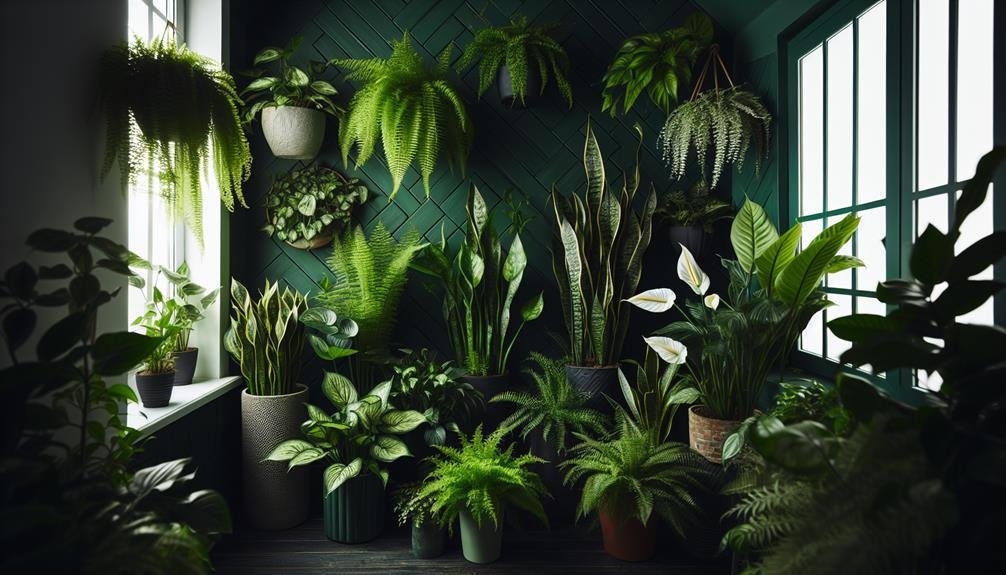
You may think that growing new plants from cuttings is a daunting task, but it can be quite simple with the right guidance. By following a few straightforward steps, you can easily propagate your favorite houseplants and expand your indoor garden effortlessly.
From selecting the healthiest cuttings to providing the optimal growing conditions, these easy techniques will set you on the path to successfully multiplying your plant collection. Intrigued to discover how you can achieve this green thumb feat? Stay tuned for the practical tips ahead.
Select Healthy Plant Cuttings
When choosing plant cuttings for propagation, make sure they're free from any signs of damage or disease. Look for stems that are healthy, with no browning, yellowing, or spots. It's essential to select cuttings from a well-established plant, as they tend to root more successfully. Young and tender growth at the tip of the plant often works best for propagation.
Ensure that the cutting has at least two nodes, which are the points on the stem where leaves emerge. Nodes are crucial as this is where the roots will develop. Opt for a cutting that's 4-6 inches long, as this size tends to strike a balance between having enough stored energy to grow roots and not being too large to struggle with water intake.
Prepare the Cutting
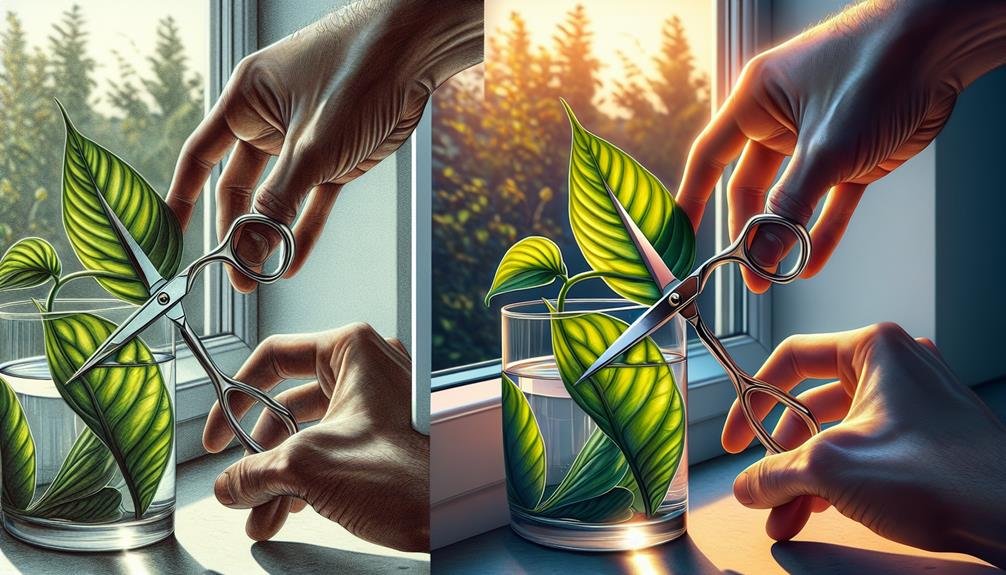
To prepare the cutting for propagation, ensure that you have a clean, sharp pair of pruning shears ready. Select a healthy stem from the parent plant, ideally one without flowers. Make a clean cut at a 45-degree angle, just below a leaf node. Remove any lower leaves to prevent them from being submerged in the growing medium. If the cutting is large, consider trimming it to about 4-6 inches in length, ensuring at least one leaf node is left intact.
After cutting the stem, place it in a glass of room temperature water to prevent air bubbles from entering the stem. Keep the cutting out of direct sunlight to avoid wilting. Change the water every few days to maintain freshness and prevent bacterial growth. Once your cutting is ready, it's time to move on to choosing the right growing medium for successful propagation.
Choose the Right Growing Medium
For successful propagation, selecting the right growing medium is crucial to provide the necessary nutrients and support for your plant cuttings. When choosing a growing medium, opt for a well-draining soil mix to prevent waterlogging, which can lead to rotting of the cuttings. A blend of peat moss, perlite, and vermiculite is a popular choice that offers good aeration and moisture retention.
Consider using a rooting hormone to help stimulate root growth in your cuttings. These hormones can be found in powder, gel, or liquid form and aid in the development of a healthy root system. Before planting your cuttings in the growing medium, dip the cut end into the rooting hormone according to the manufacturer's instructions.
Ensure the growing medium is moist but not waterlogged, as excessively wet conditions can hinder root development. Mist the cuttings regularly to maintain humidity levels and keep the soil consistently damp. By choosing the right growing medium and providing optimal care, you can set your plant cuttings up for successful propagation.
Provide Adequate Light and Water
Select a sunny location for your propagated houseplants to thrive, ensuring they receive adequate light and water for healthy growth. Houseplants generally need bright, indirect light for successful propagation. Place them near a window where they can get plenty of sunlight without being exposed to direct rays that could scorch their leaves. Rotate the plants occasionally to ensure all sides receive equal light exposure.

When it comes to watering your propagated houseplants, it's essential to strike a balance. Overwatering can lead to root rot, while underwatering can cause the plants to wither and die. Check the moisture level of the soil regularly by inserting your finger into the top inch; if it feels dry, it's time to water. Use room-temperature water and ensure that excess water can drain out of the pots to prevent waterlogging.
Monitor Growth and Potting
Keep a close eye on the growth of your propagated houseplants and monitor their progress to determine when it's time for repotting. As your cuttings develop roots and new leaves, they'll outgrow their initial containers. Look for signs such as roots peeking out of drainage holes or slower growth rates, indicating the need for a larger pot.
When repotting, choose a container that's only slightly larger than the current one to prevent overpotting, which can lead to waterlogged soil and root rot. Gently remove the plant from its old container, being careful not to damage the roots, and place it in the new pot with fresh soil. Water the plant thoroughly after repotting to help it settle into its new home.
Regularly checking your propagated plants allows you to adjust their care as needed. If you notice overcrowding or roots circling the pot, it's time to repot. By monitoring growth and potting your houseplants appropriately, you ensure they've adequate space to thrive and continue to beautify your home.
Frequently Asked Questions
How Long Does It Usually Take for a Houseplant Cutting to Root and Start Growing New Leaves?
When propagating houseplants with cuttings, it typically takes a few weeks for the cutting to develop roots and start growing new leaves.
During this time, make sure to provide proper care, such as consistent watering and indirect sunlight.
Once the roots have established themselves, you'll start to see new growth appearing on the cutting.
Patience and attention to the plant's needs are key to successful propagation.
Can I Use Rooting Hormone to Help My Plant Cutting Root Faster, and if So, What Type Should I Use?
To help your plant cutting root faster, yes, you can use rooting hormone. It can speed up the process and increase the success rate of propagation.
Look for a rooting hormone specifically made for plant cuttings. Gel or powder forms are common and effective choices. Follow the instructions carefully to apply the hormone properly and give your plant the best chance to grow new roots quickly.
Are There Any Specific Types of Houseplants That Are More Difficult to Propagate From Cuttings Than Others?
Some houseplants are trickier to propagate from cuttings than others. Factors like the plant's species, age, and health can influence success. Plants with woody stems or those that naturally grow in arid conditions may be more challenging.
However, with patience and proper care, most houseplants can be propagated successfully. Remember to research specific care instructions for the plant you're trying to propagate to give it the best chance of thriving.
How Often Should I Mist My Plant Cutting to Keep It Moist Without Overwatering It?
To keep your plant cutting moist without overwatering, mist it every 1-2 days. This helps maintain the humidity level around the cutting, promoting root growth.
Avoid drenching the cutting with water as it can lead to rot. A light misting is all it needs to thrive.
Consistent moisture is key, so keep an eye on the cutting and adjust your misting schedule as needed to ensure it stays healthy and hydrated.
Can I Propagate a Houseplant Cutting in Water Instead of Soil, and if So, What Are the Advantages and Disadvantages of Each Method?
Sure, you can propagate a houseplant cutting in water instead of soil. The advantage of water propagation is that you can easily monitor root growth. However, it may lead to weaker roots compared to soil propagation.
Soil propagation provides a more natural environment for roots to develop, but it's harder to see the progress. Consider your preference for visibility and root strength when choosing between the two methods.
Conclusion
Now that you've followed these easy steps for propagating houseplants with cuttings, you can enjoy watching your new plants grow and thrive. Remember to select healthy cuttings, prepare them properly, choose the right growing medium, and provide the necessary light and water.
By monitoring their growth and potting them when needed, you can continue to expand your plant collection with ease. Happy gardening!