When it comes to nurturing indoor plants, it's like tending to a delicate ecosystem within your home. You've carefully selected your plant cuttings, provided them with the ideal environment, and diligently tended to their needs.
However, there's a crucial aspect that can make or break your propagation journey, one that often goes unnoticed until it's too late. A simple adjustment in your approach could be the key to unlocking a thriving indoor plant paradise.
Selecting Healthy Plant Cuttings
When choosing plant cuttings for propagation, ensure they're free from any signs of disease or damage. Healthy cuttings are essential for successful propagation. Look for stems that are firm and free from blemishes, discoloration, or wilting. Leaves should be vibrant in color and without any spots or pests. Select cuttings from actively growing plants, as they've better chances of rooting successfully.
Inspect the cutting closely to ensure it has at least one node, the part of the stem where roots will develop. Choose a cutting that's around 4-6 inches long, as this length tends to root well. Use sharp, clean scissors or shears to make a precise cut just below a node. Remove any excess leaves from the lower part of the cutting to prevent moisture loss and focus the plant's energy on root development.
Providing Optimal Growing Conditions
To ensure successful propagation, creating optimal growing conditions is crucial for the health and development of your indoor plants. Start by placing your cuttings in a location that receives bright, indirect light. Direct sunlight can be too harsh and may damage the delicate new roots forming on your plants. Maintain a consistent temperature between 65-75°F (18-24°C) to keep your plants comfortable and promote growth.
Humidity is also vital for successful propagation. Consider using a humidity dome or a misting routine to keep the air around your cuttings moist. This helps prevent wilting and encourages root development. Adequate airflow is essential too; stagnant air can lead to mold or mildew issues. A gentle fan can improve air circulation around your plants.
Lastly, ensure your plants are placed away from drafts or sudden temperature fluctuations. These can stress your cuttings and hinder their growth progress. By providing the optimal growing conditions of light, temperature, humidity, and airflow, you set your indoor plants up for a successful propagation journey.
Watering and Fertilizing Techniques
For healthy indoor plant propagation, mastering effective watering and fertilizing techniques is essential. When it comes to watering your indoor plants, it's crucial to strike the right balance. Overwatering can lead to root rot and other issues, while underwatering can result in stunted growth. The key is to water your plants when the top inch of soil feels dry to the touch. This helps prevent waterlogged roots while ensuring your plants receive adequate moisture.
Fertilizing is another critical aspect of indoor plant care. Choose a balanced, water-soluble fertilizer and apply it according to the instructions on the packaging. During the growing season, typically spring and summer, fertilize your plants every two to four weeks. In contrast, reduce fertilization frequency during the dormant season in fall and winter.
Monitoring Growth Progress Regularly
Ensure you regularly monitor the growth progress of your indoor plants to track their development and address any issues promptly. Observing your plants frequently allows you to notice any changes in growth patterns, leaf color, or overall health. By keeping a close eye on them, you can catch any problems early on and take necessary actions to help your plants thrive.

One way to monitor growth progress is by measuring the height of your plants. Use a ruler or measuring tape to track the growth of your indoor plants over time. Additionally, inspect the leaves and stems for any signs of discoloration, wilting, or pests. Any sudden changes in appearance could indicate underlying issues that need attention.
Taking photos of your plants regularly can also help you track their growth more effectively. Compare the pictures over time to see how your plants are progressing. This visual record can be helpful in identifying any growth spurts or setbacks. Regular monitoring ensures that you can provide the best care for your indoor plants and enjoy watching them flourish.
Troubleshooting Common Propagation Issues
If you encounter common propagation issues with your indoor plants, identifying the problem early can help in finding effective solutions and ensuring the health of your plants.
One frequent issue is overwatering, which can lead to root rot. To remedy this, allow the soil to dry out between waterings and ensure proper drainage.
On the other hand, underwatering can cause wilting and stunted growth. Increase watering frequency, but be cautious not to drown the roots.
Insufficient light is another common problem, resulting in leggy or pale growth. Move your plants to a brighter location, preferably near a window with indirect sunlight.
Pests like aphids and spider mites can also damage your plants. Use organic insecticidal soap or neem oil to combat these unwelcome visitors.
Lastly, incorrect humidity levels can hinder propagation. Consider using a humidifier or pebble tray to increase moisture around your plants.
Frequently Asked Questions
How Long Does It Typically Take for Indoor Plants to Root and Establish Themselves After Propagation?
Typically, indoor plants take around 2-6 weeks to root and establish themselves after propagation. It's important to provide them with proper care during this period to ensure successful growth.
Keep the soil consistently moist, provide adequate light, and avoid overwatering. By following these guidelines, you can help your indoor plants thrive and establish healthy roots for long-term growth.
Is It Necessary to Use Rooting Hormone When Propagating Indoor Plants, or Are There Alternative Methods?
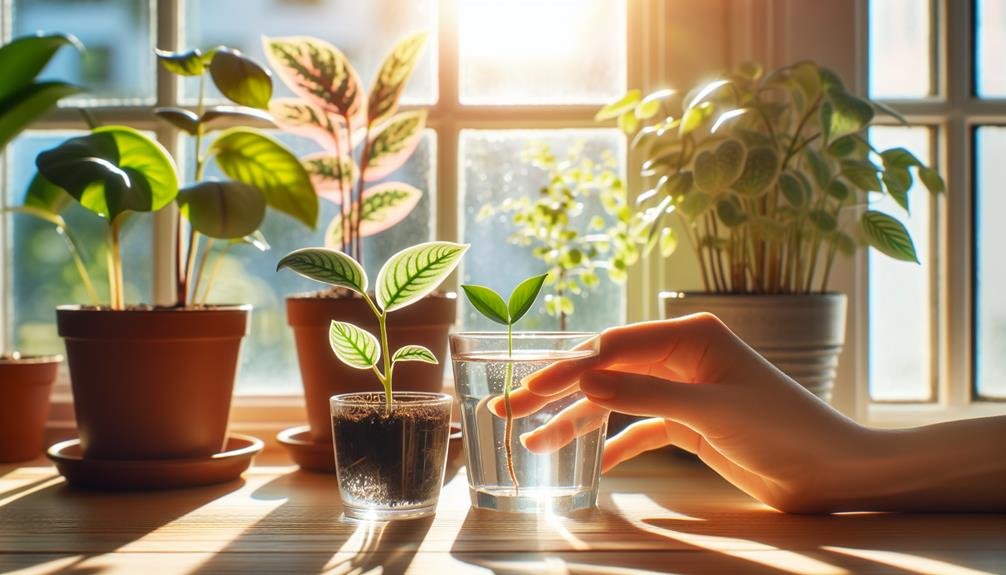
When propagating indoor plants, using rooting hormone isn't always necessary. Some plants can root well without it. You can try alternative methods like water propagation or using a soil mix that promotes root growth.
Experiment to see what works best for the specific plants you're propagating. It's a trial-and-error process, so don't be afraid to try different techniques to find what yields the best results for your indoor plants.
Can Indoor Plants Be Propagated Year-Round, or Are There Specific Seasons That Are Better for Propagation?
You can propagate indoor plants year-round, but some seasons might offer better success rates. Warmer months often provide ideal conditions for quick root development, while winter may slow down growth.
However, with proper care and attention to temperature and light levels, you can successfully propagate your indoor plants at any time. Experiment with different seasons to find what works best for your specific plant species and conditions.
Are There Any Specific Types of Indoor Plants That Are Easier or More Difficult to Propagate Successfully?
When it comes to propagating indoor plants, some types are easier while others might pose a bit more of a challenge.
For example, common houseplants like pothos and spider plants are generally easier to propagate due to their hardiness and ability to root quickly.
On the other hand, more delicate plants like fiddle leaf figs or orchids might require more specific care and attention to successfully propagate.
What Are Some Creative Ways to Display and Showcase Propagated Indoor Plants in the Home?
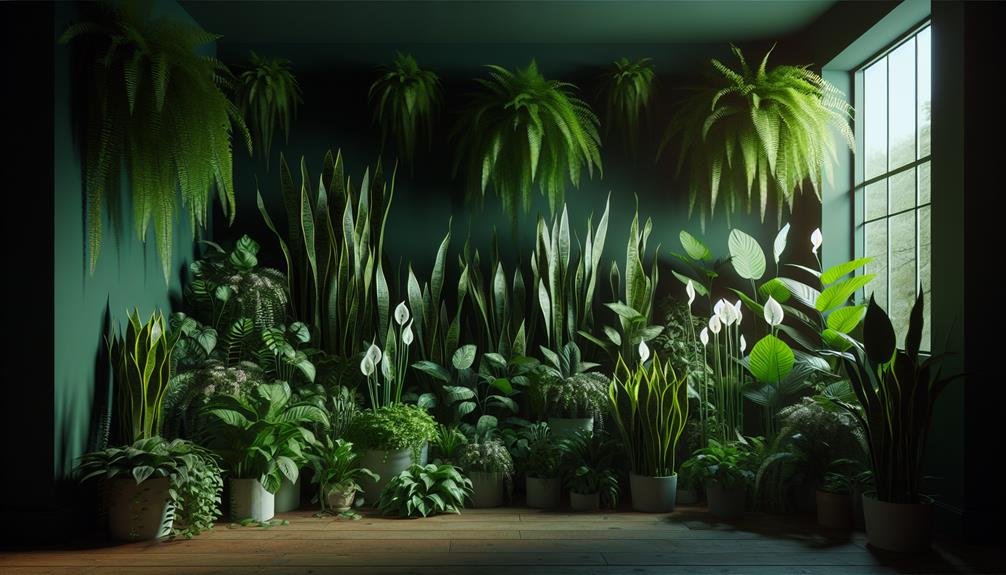
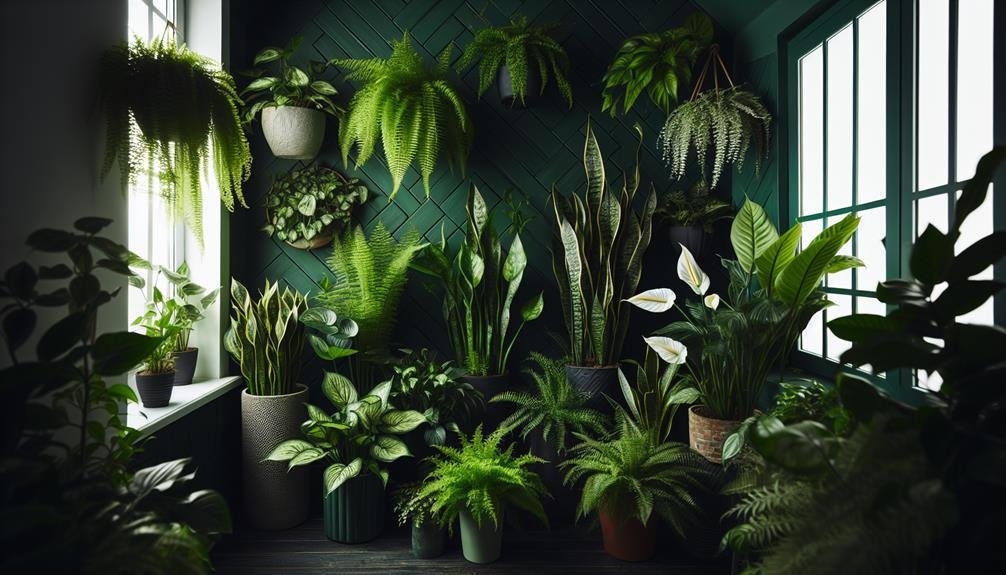
To creatively display propagated indoor plants in your home, consider using hanging planters, wall-mounted shelves, or a dedicated plant stand.
Group different plants together for a dynamic display, or showcase them in unique containers like vintage pots or glass terrariums.
Utilize natural light sources and vary the heights of the plants for visual interest.
Experiment with mixing and matching plant types and sizes to create a personalized and eye-catching indoor garden.
Conclusion
In conclusion, successfully propagating indoor plants is a rewarding experience that requires patience, care, and attention to detail.
By selecting healthy cuttings, providing optimal growing conditions, and monitoring growth progress regularly, you can ensure the success of your propagation efforts.
Remember to water and fertilize your plants properly, and be prepared to troubleshoot any common issues that may arise.
With dedication and perseverance, you can enjoy a thriving indoor garden in no time.